


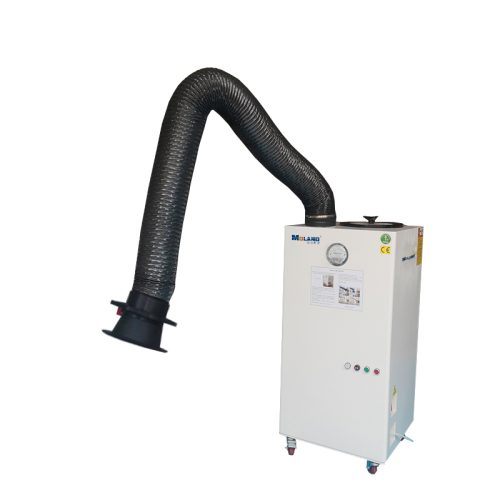
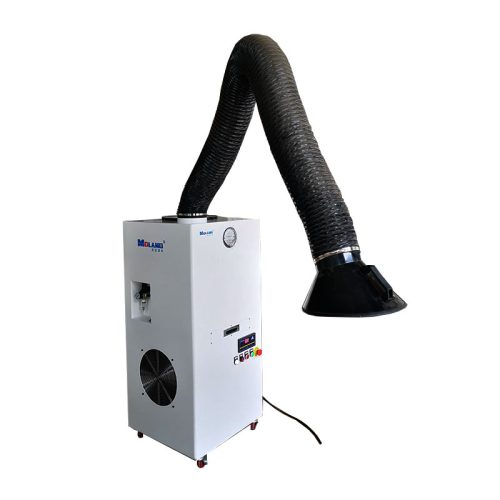
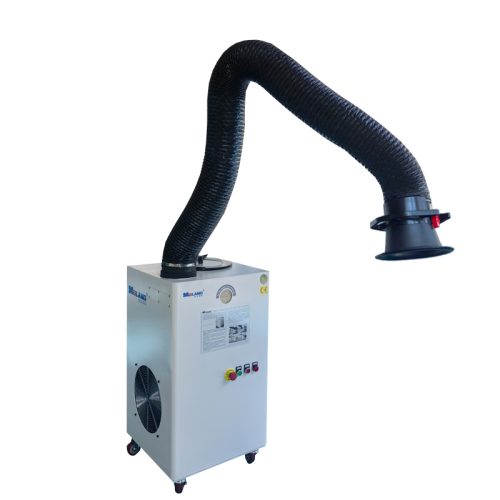
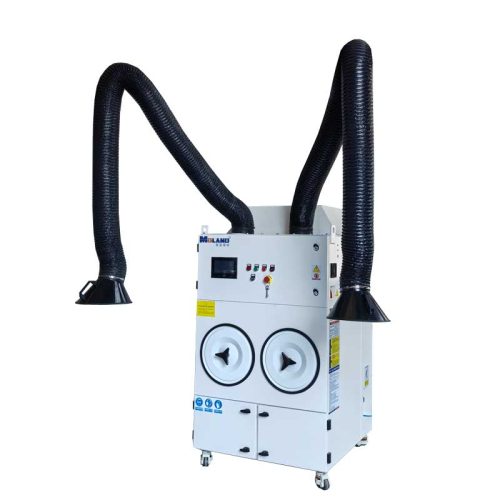
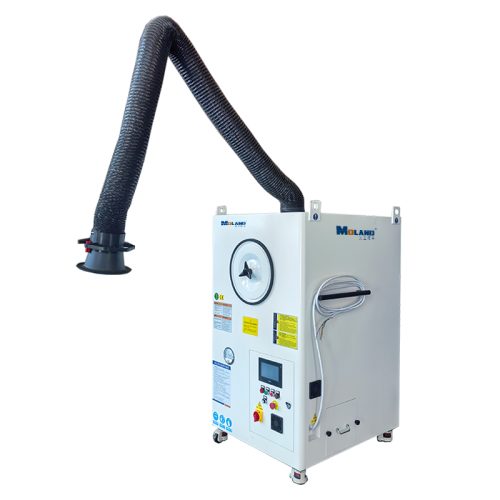
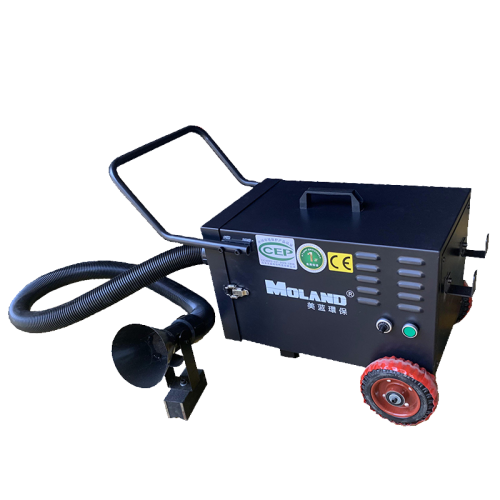
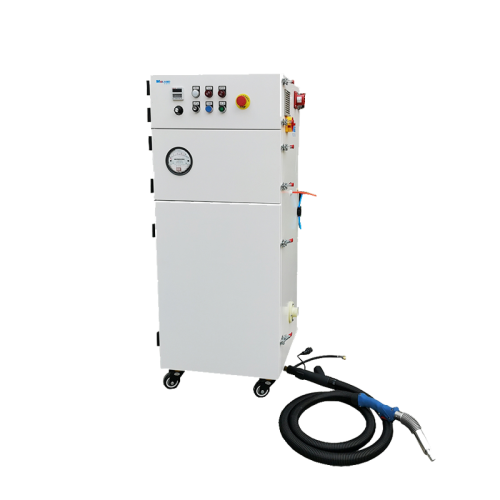
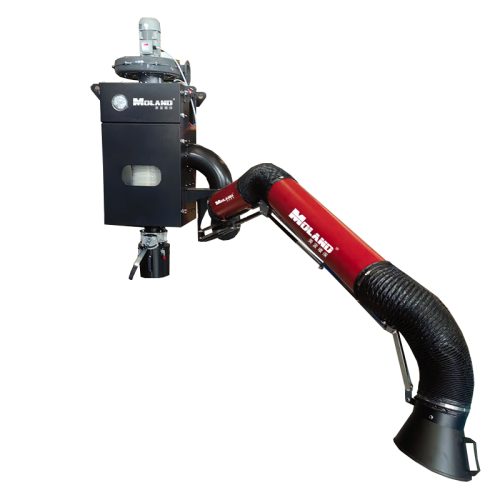
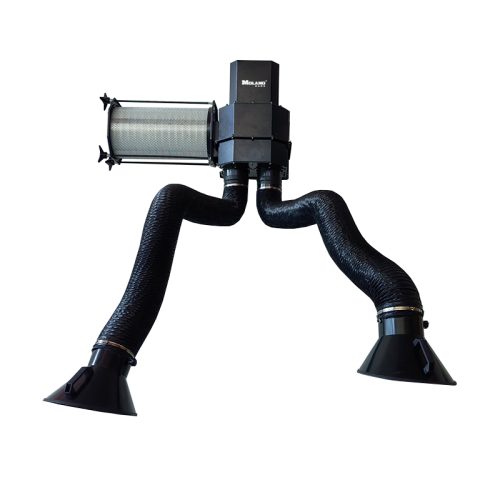
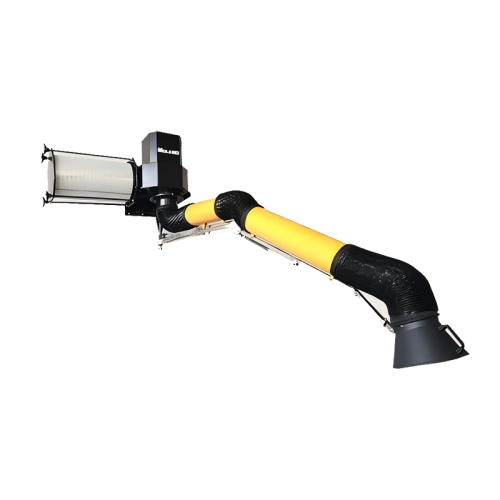


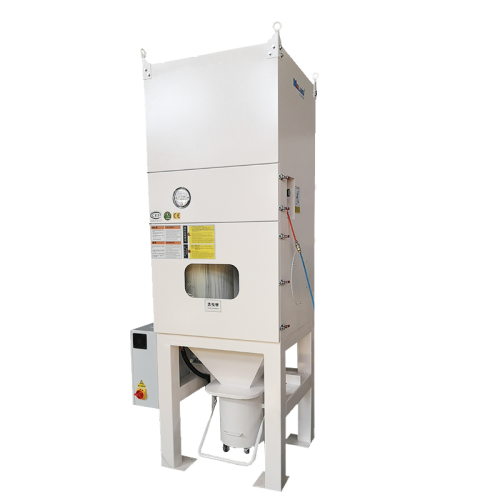
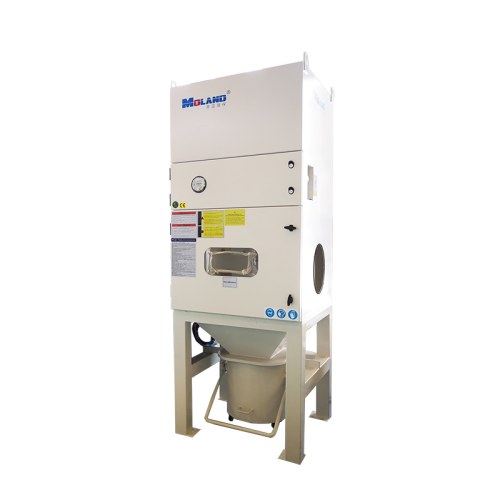
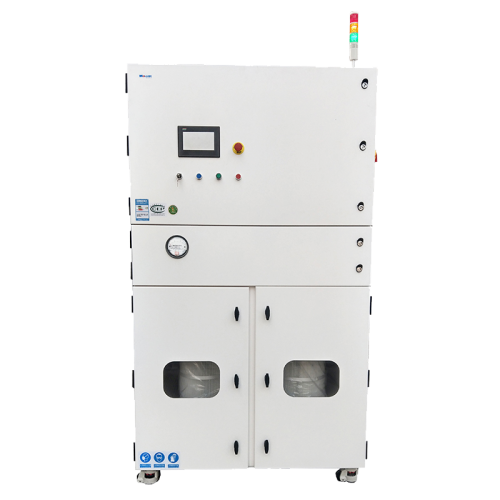
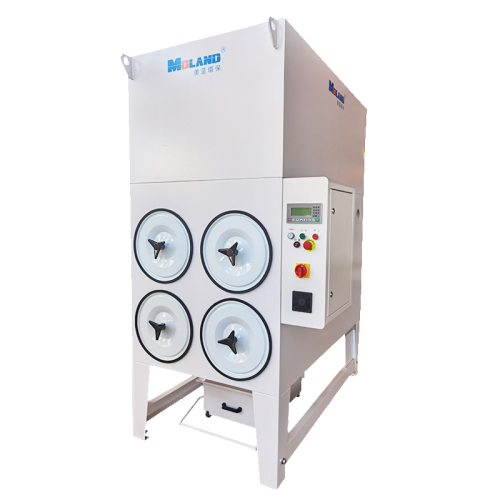
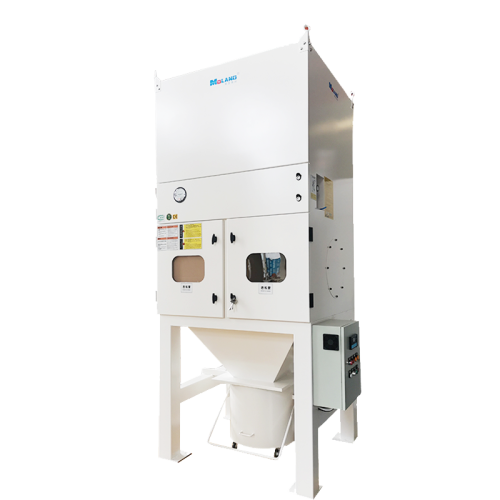
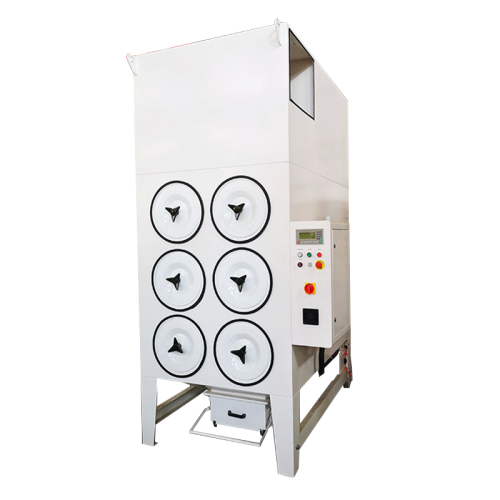
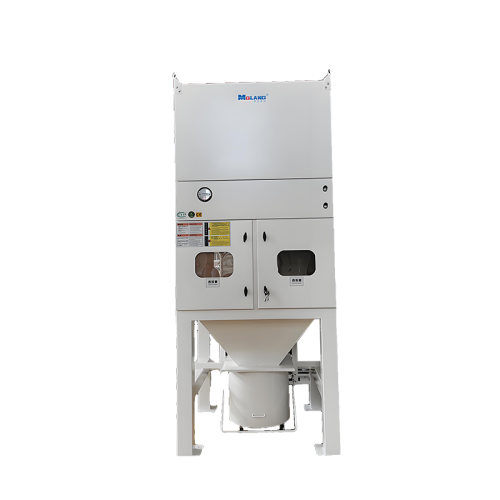
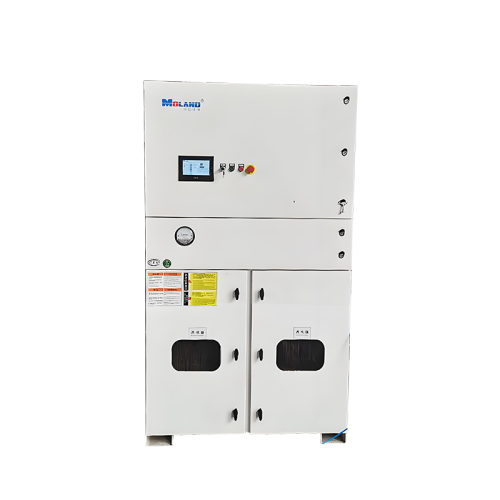

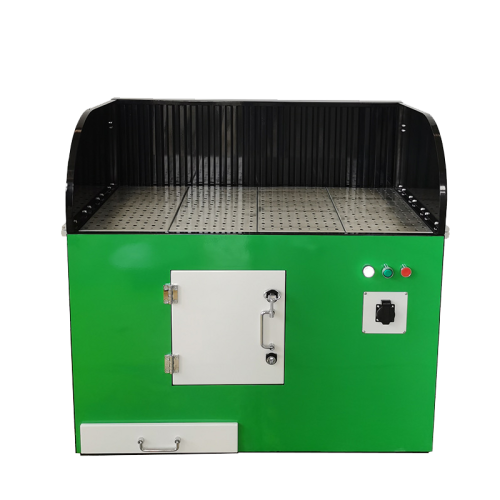
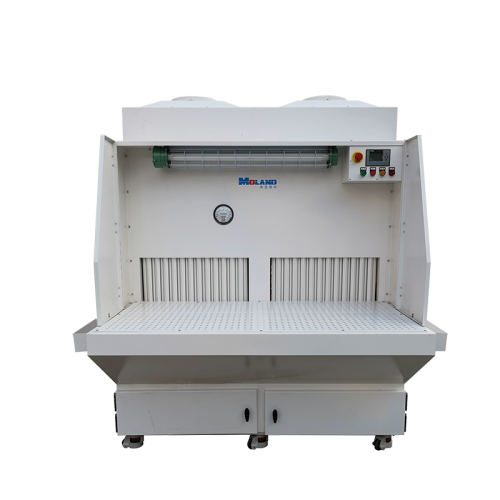
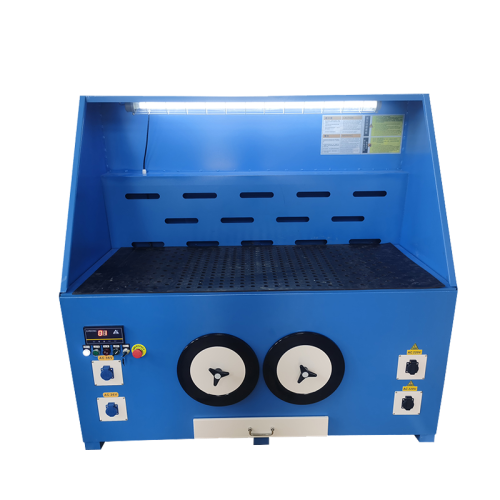
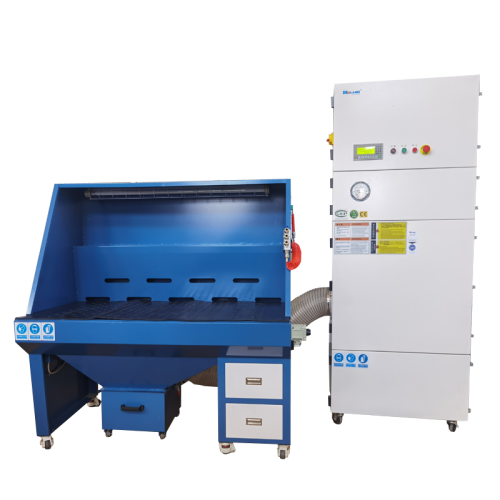
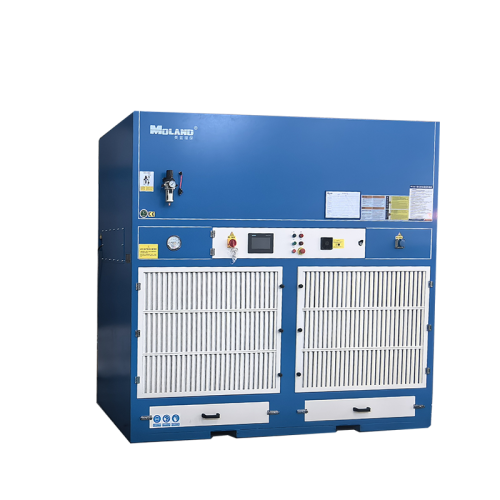
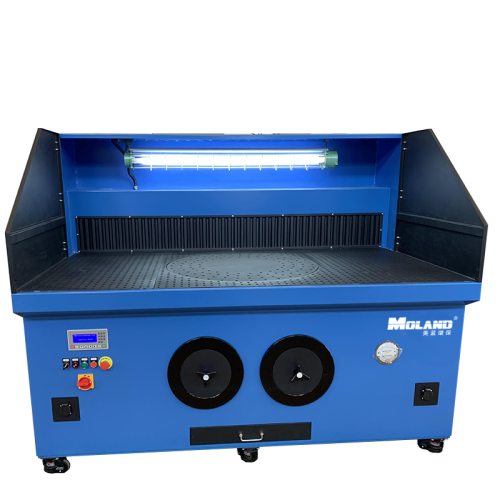


In the metal processing industry, the fumes, harmful gases, and particulate matter generated during welding operations seriously endanger workers' health and the production environment. To address this challenge, welding fume extractor has emerged, and various dust capture methods have been developed. Today, we'll discuss why is source control of welding fume crucial for welder safety.
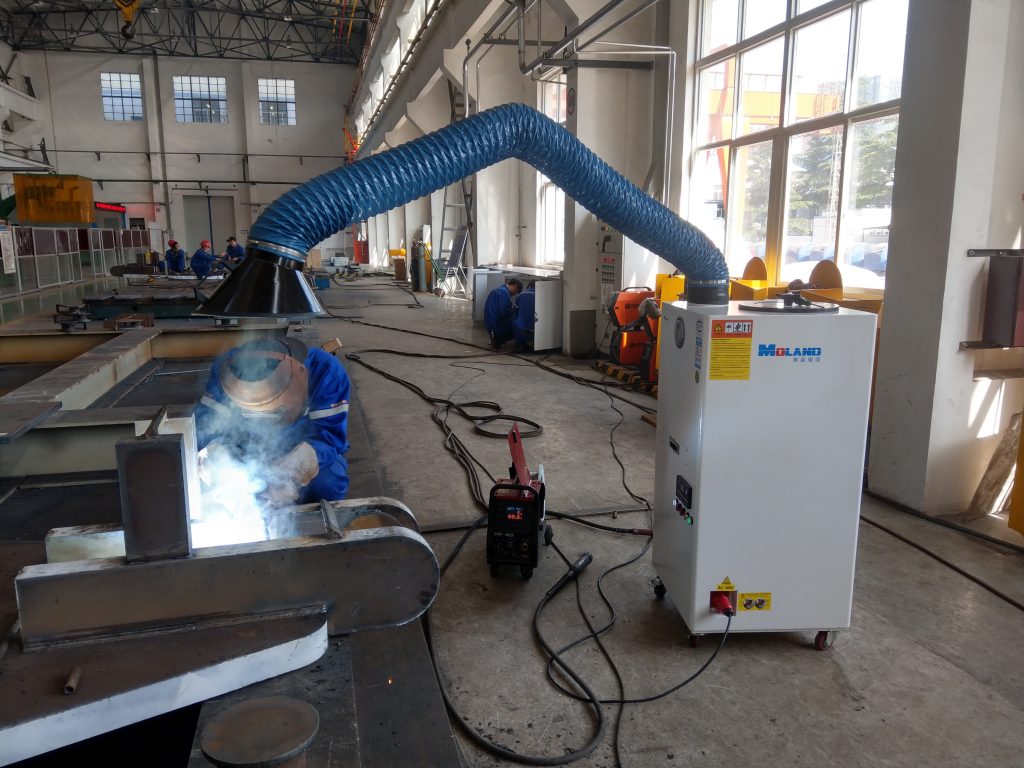
Source capture is the most effective measure to protect welders from harmful fumes, and its importance is reflected in the following points:
Eliminating the risk of inhalation of IARC Group 1 carcinogens: Welding fumes have been proven to be human carcinogens. Source capture technology removes hexavalent chromium (Cr⁶⁺), nickel compounds, cadmium, and arsenic before inhalation, significantly reducing the risk of lung cancer—especially crucial for stainless steel and high-alloy welding.
Preventing systemic poisoning: Capturing manganese fumes immediately upon their generation prevents irreversible neurological damage (“manganese poisoning”/Parkinson’s syndrome) and the hazards of neurotoxic metals such as lead. Intercepting cadmium (causing kidney/lung damage) and fluorides (causing severe respiratory irritation/bone problems) from electrode coatings.
Preventing metal fume fever: Removing high concentrations of newly formed zinc, copper, or magnesium oxide, which can cause acute illnesses similar to influenza.
Dilution ventilation: Ordinary room ventilation can only dilute fumes, not eliminate them. Welders still need to breathe contaminated air near the arc. Source capture technology can remove more than 90% of hazardous substances directly at the point of origin.
PPE (Respirator): Respirators (including N99/P100) rely on fit, seal, and user compliance. They increase worker workload, cause heat stress, and offer lower protection than a well-designed source capture system. Source capture is the primary means of protection; respirators should only be used as a last resort or backup.
Physical Advantages: Smoke is hottest and has the strongest buoyancy at the arc, making capture easiest. The momentum generated by the rising heat aids the dust hood's operation.
Reduced Airflow and Energy Consumption: The airflow required to capture a small amount of highly contaminated air at the source is far less than that required to diffuse contaminants throughout a large workshop.
Maintaining Air Quality: Prevents contamination of the entire work area, protects other workers, and reduces overall facility cleaning/maintenance.
Regulatory Requirements: Relevant regulations (such as OSHA occupational exposure limits for Cr⁶⁺, Mn, and Ni) require employers to prioritize the implementation of feasible engineering controls. Source capture is the gold standard for meeting exposure limits.
Prevention of Chronic Diseases: Source capture is the most reliable method to prevent debilitating diseases such as welder's pneumoconiosis (lung scarring), chronic obstructive pulmonary disease (COPD), occupational asthma, irreversible nerve damage (manganese poisoning), chronic kidney disease, and lung cancer.
Sustainability: Ensures long-term retention of skilled labor, reduces absenteeism, and lowers long-term healthcare/compensation costs.
Source capture is not an optional extra, but a fundamental line of defense against the serious and proven health hazards of welding. While personal protective equipment and general ventilation also play a role, only source capture can proactively remove hazardous substances before they enter the welder's breathing zone. Investing in appropriate source capture equipment is an investment in employee health, compliance, and operational efficiency.