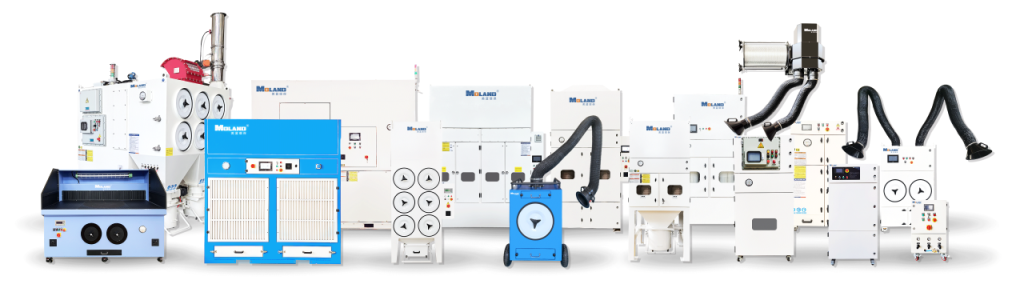


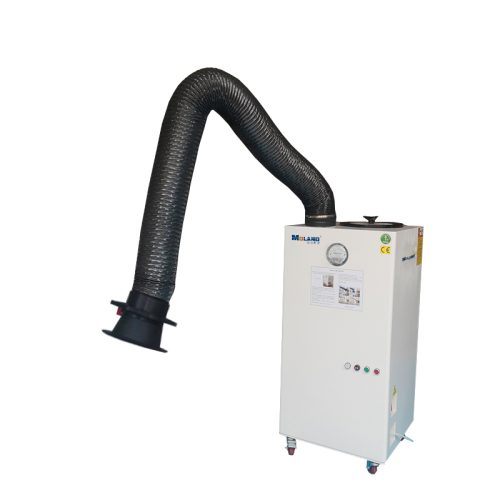
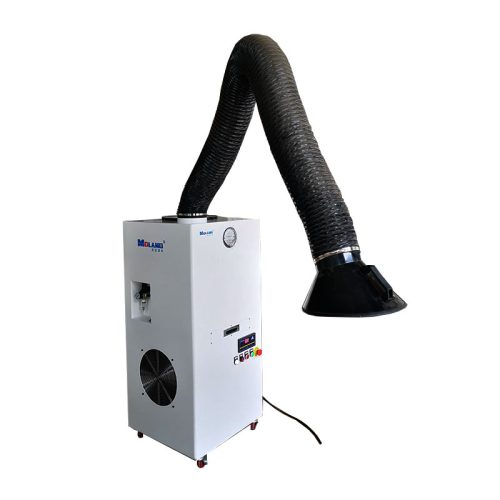
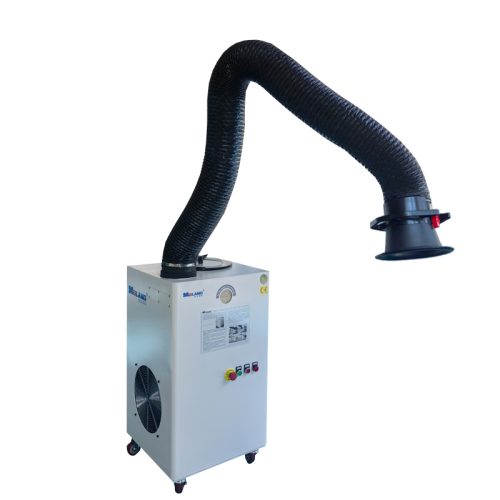
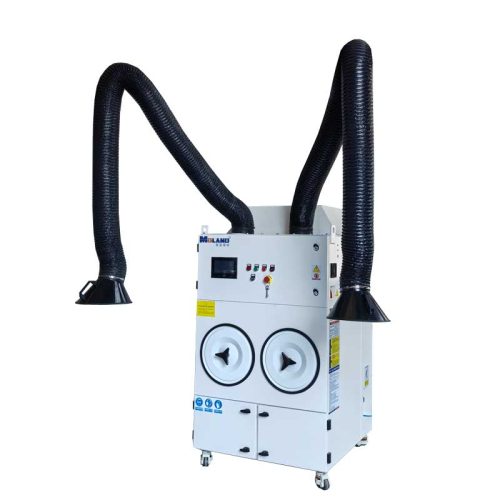
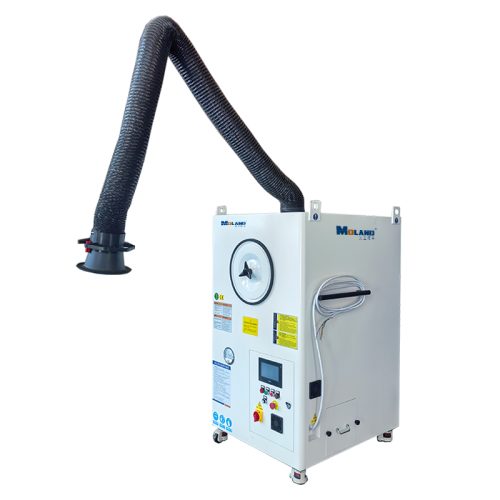
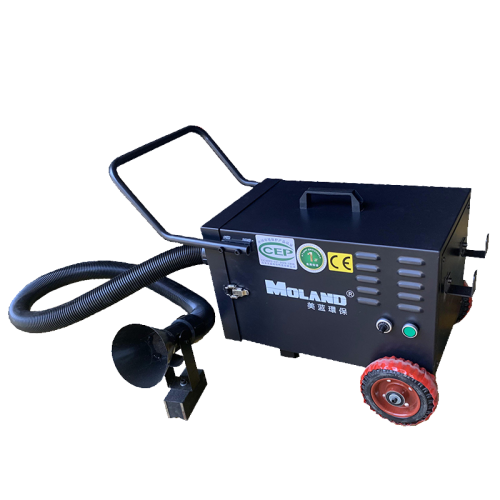
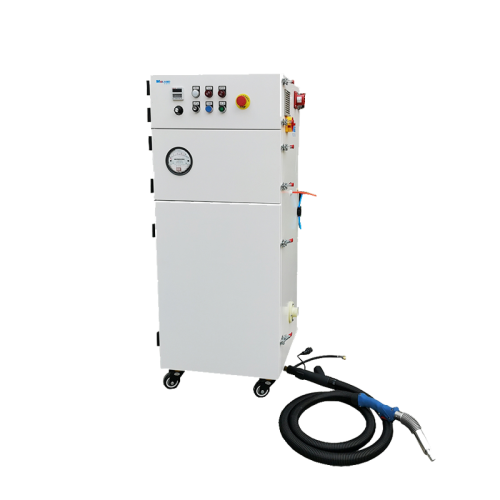
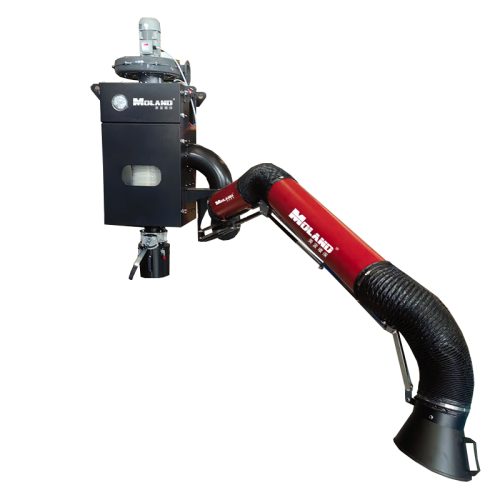
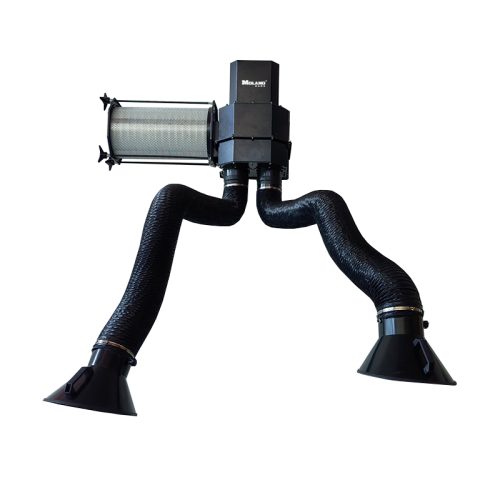
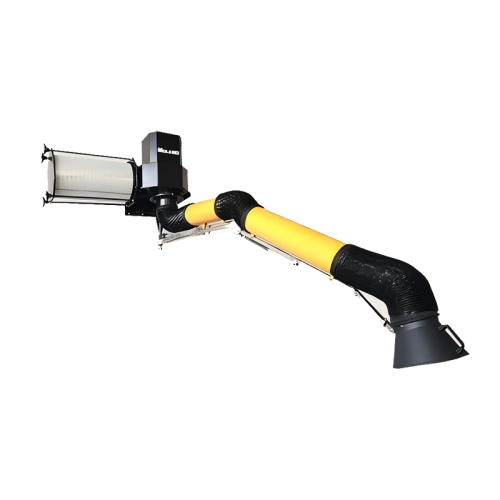


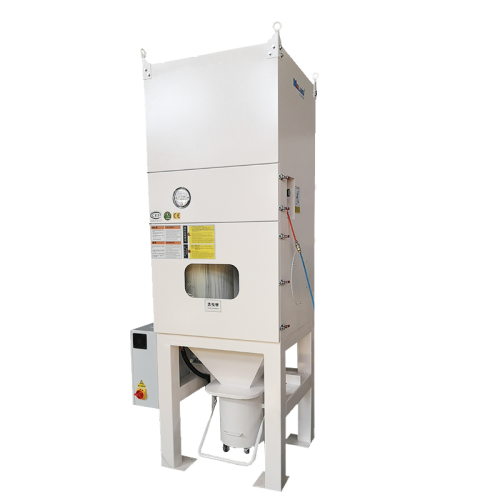
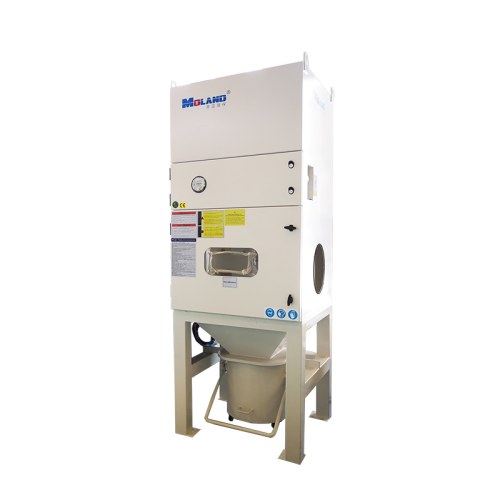
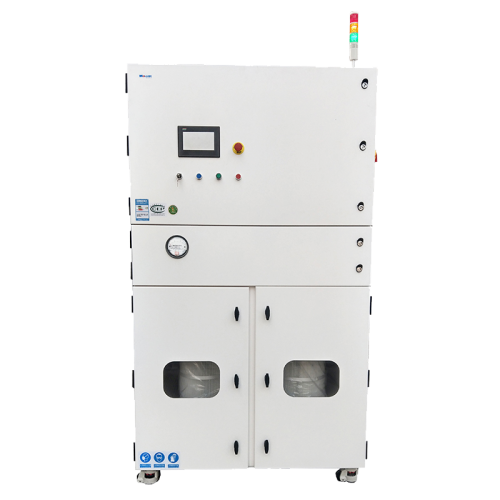
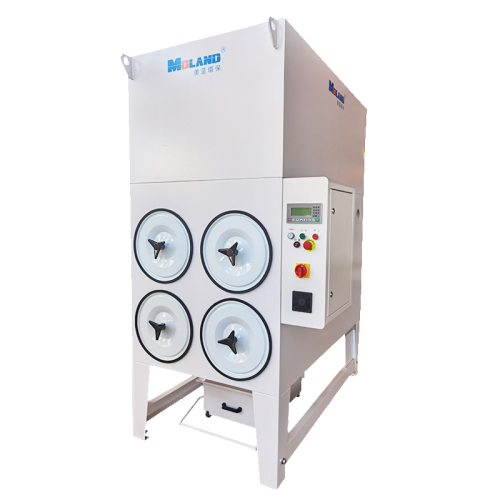
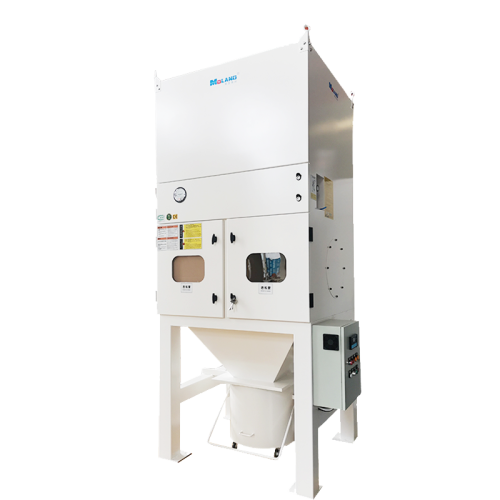
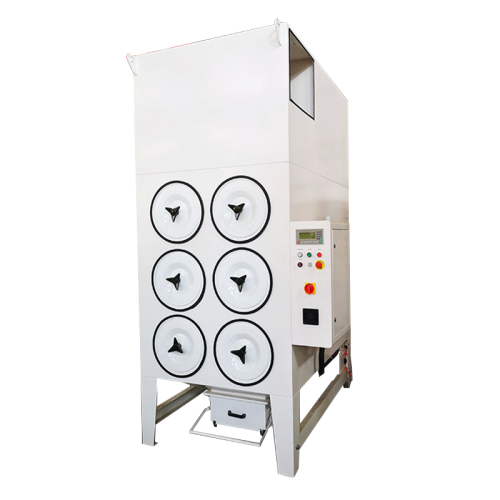
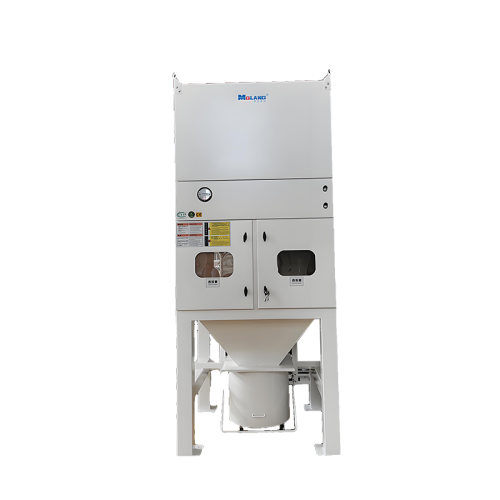
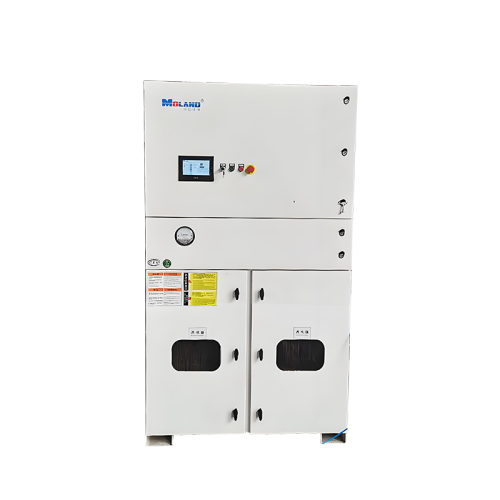

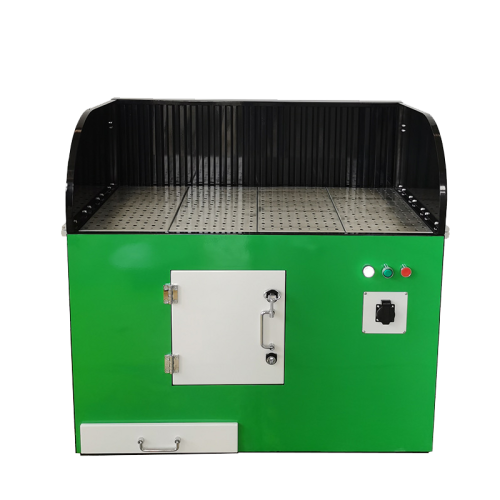
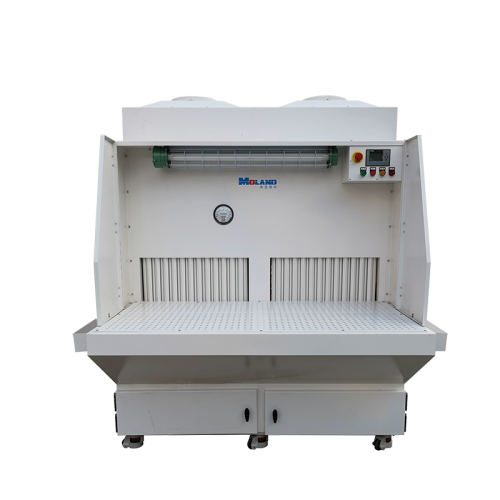
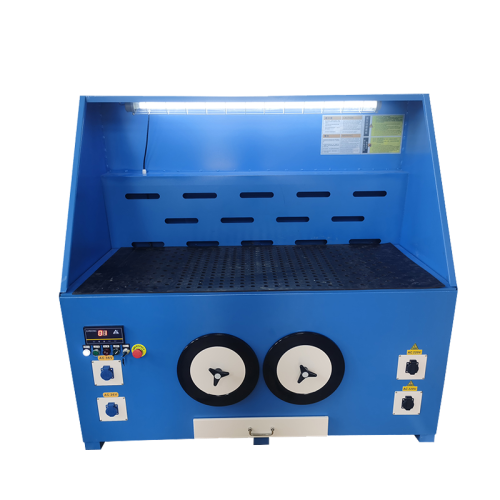
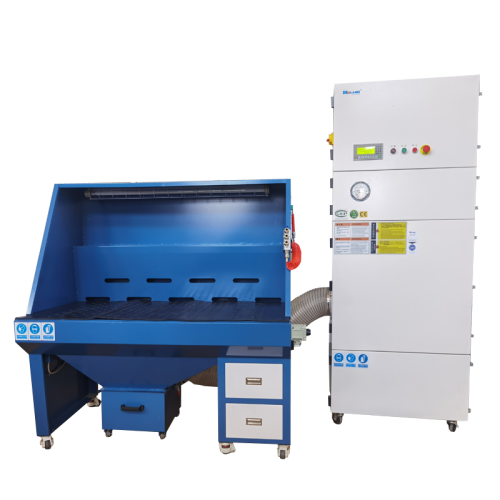
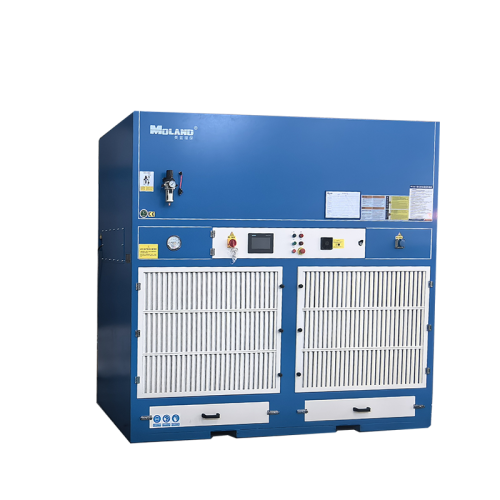
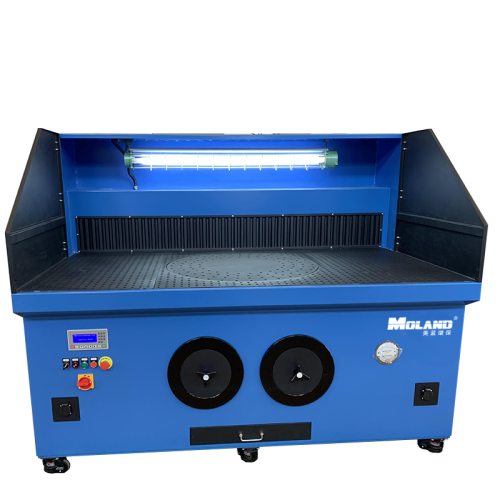

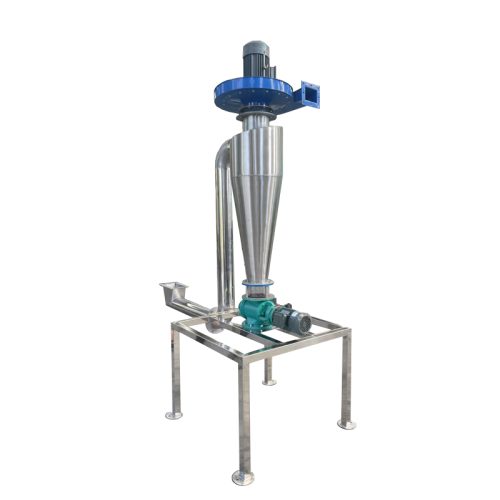
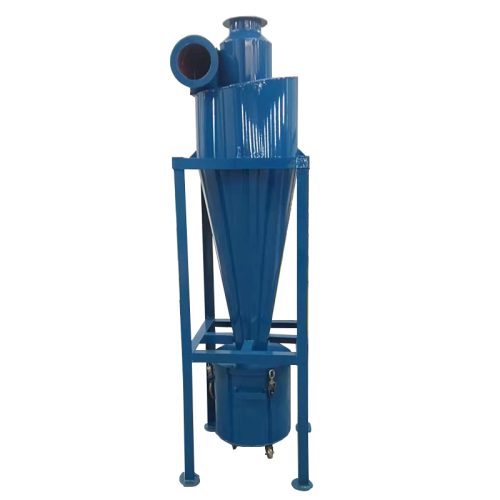

Welding fumes are mainly composed of metal oxides, harmful gases, and fine particulate matter. These harmful substances are released in large quantities during welding operations. Long-term exposure to such an environment can lead to respiratory diseases, skin diseases, and even nerve damage in workers. Furthermore, welding fumes reduce visibility in the work environment, affecting work efficiency, and in severe cases, can even cause safety hazards such as fires and explosions.
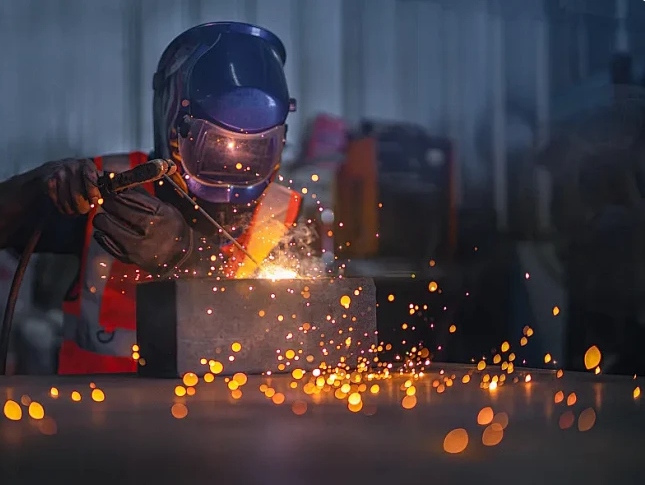
1. Effects on the Respiratory System
The metal oxides and harmful gases in welding fume and dust irritate the respiratory tract, leading to symptoms such as coughing, wheezing, and bronchitis. Long-term inhalation of welding fumes can also lead to chronic bronchitis, emphysema, and other respiratory diseases. In addition, the fine metal particles in welding fumes can deposit in the lungs, causing pulmonary fibrosis and severely affecting lung function.
2. Effects on the Circulatory System
Toxic substances in welding smoke and dust , such as lead and cadmium, can enter the bloodstream through the respiratory tract and damage the cardiovascular system. People with long-term exposure to welding fumes may develop cardiovascular diseases such as hypertension and heart disease.
3. Effects on the Nervous System
Toxic substances in welding fumes, such as fluorides and chlorides, can damage the nervous system. Long-term inhalation of these toxic substances may lead to symptoms such as memory loss, slow reaction time, and emotional instability. In severe cases, it can also cause neurological diseases such as encephalopathy and epilepsy.
4. Effects on the Skin and Eyes
The metal oxides and harmful gases in welding fumes can irritate the skin and eyes, causing symptoms such as dryness, itching, and redness. Prolonged contact with welding fumes can also lead to skin diseases and eye diseases.
5. Effects on the Reproductive System
Toxic substances in welding fumes, such as lead and cadmium, can damage the reproductive system. People with long-term exposure to welding fumes may experience decreased fertility and fetal malformations.
Therefore, effective protective measures must be taken during welding operations to reduce the health hazards of welding fume and dust.
1. Improved Working Environment
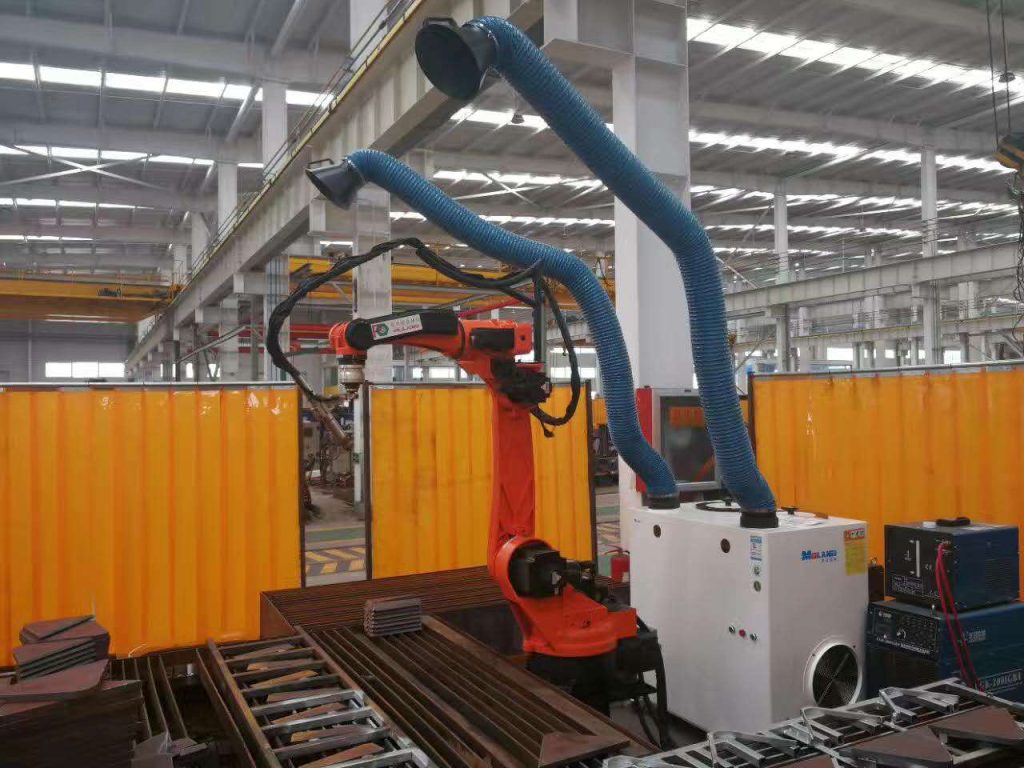
By effectively collecting and treating welding dust and fume, the concentration of fumes in the work area can be significantly reduced, thereby improving the working environment and reducing the health risks posed by fumes to operators.
2. Resource Recycling
The collected fume and dust can be further processed and recycled, achieving resource reuse and further enhancing the environmental benefits of the system.
3. Improved Welding Quality
By improving the working environment, enhancing welding quality, and reducing losses caused by fume pollution, the system saves companies significant costs.
4. Compliance with Environmental Standards
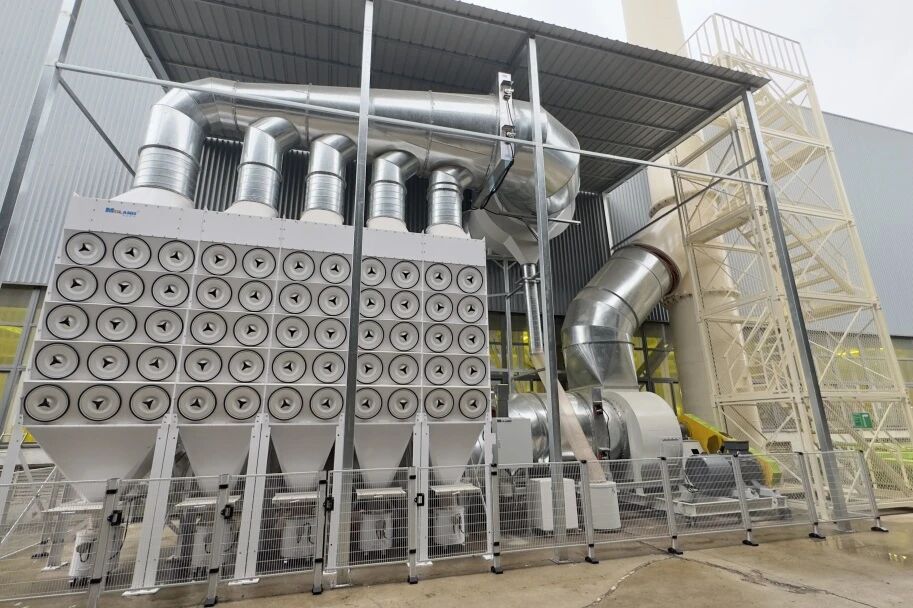
The dust collector is equipped with high efficient filtration system. These filters are made of advanced filtration materials, which can effectively capture and intercept tiny particles in the fumes, ensuring that the discharged air meets environmental standards.
5. Intelligent Control
The welding fume extractor is also equipped with an intelligent control system. This system can monitor key parameters such as the fume concentration in the welding area and the equipment's operating status in real time, and automatically adjust the suction airflow and filtration speed according to the actual situation, ensuring that the fume extractor is always in the best working condition.
In summary, welding fume collection and treatment not only has a positive impact on environmental protection but also brings tangible economic benefits to enterprises.