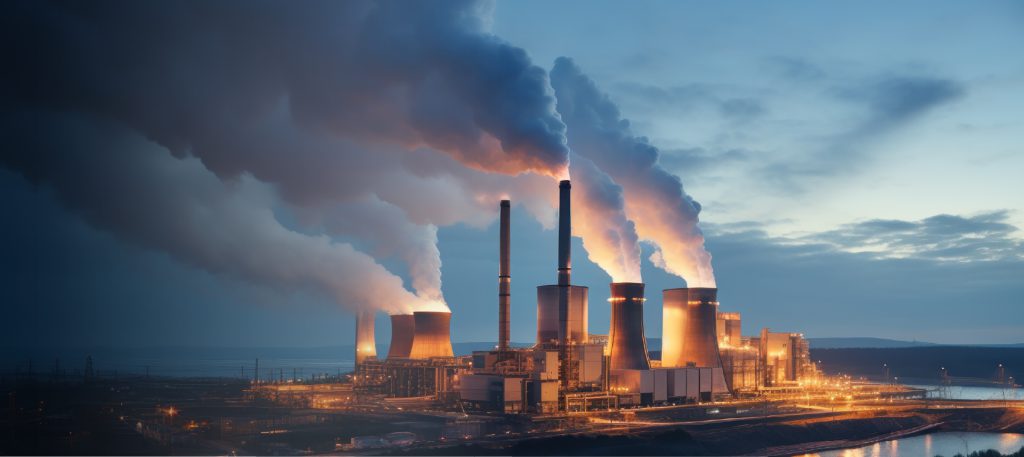




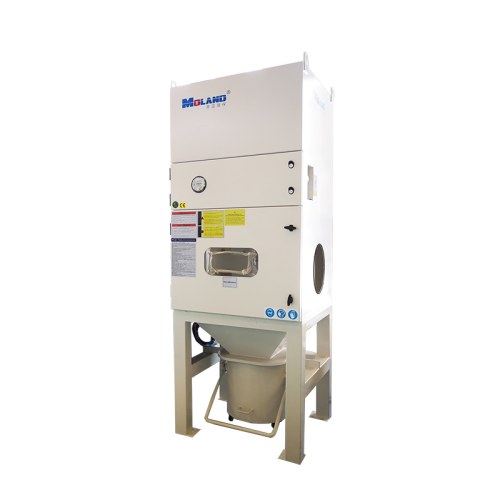
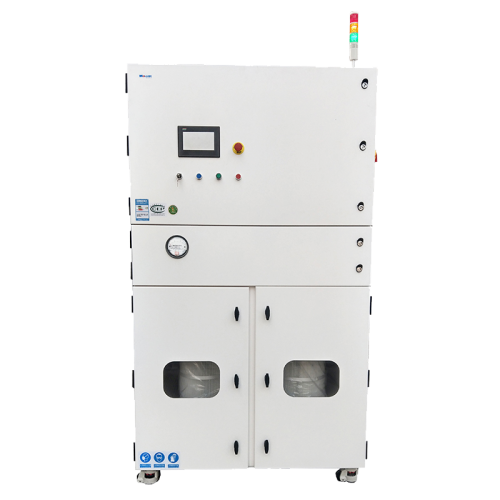
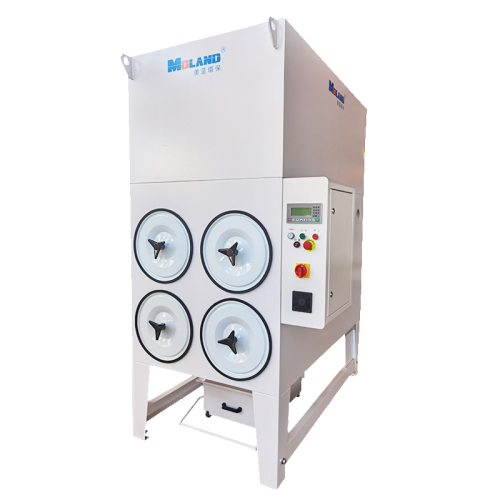
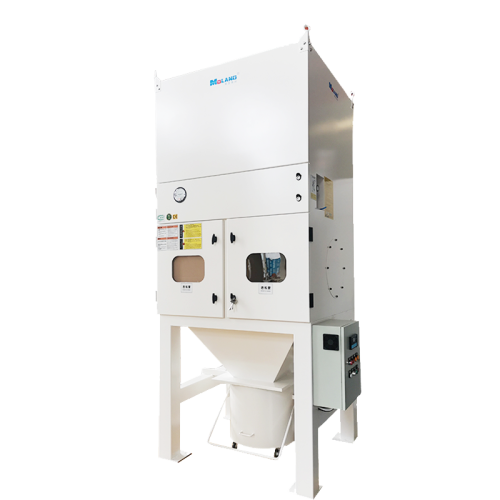
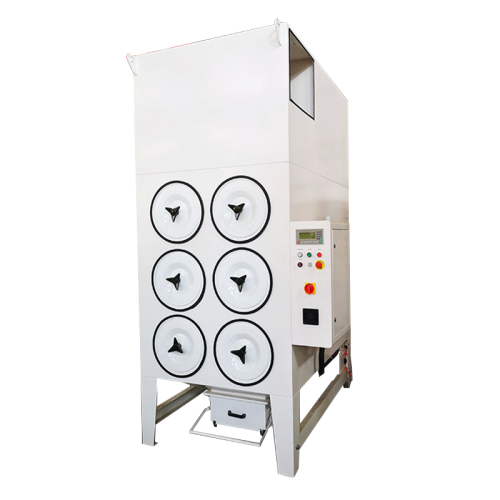
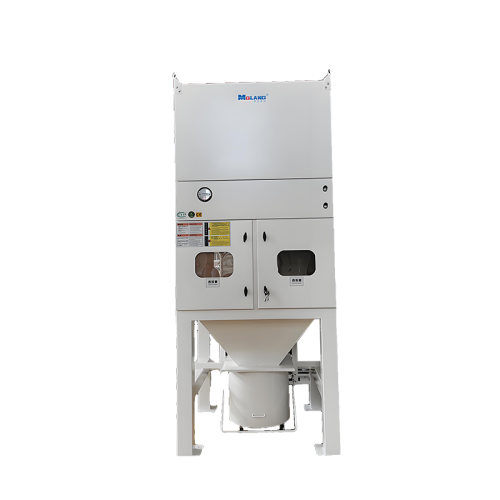
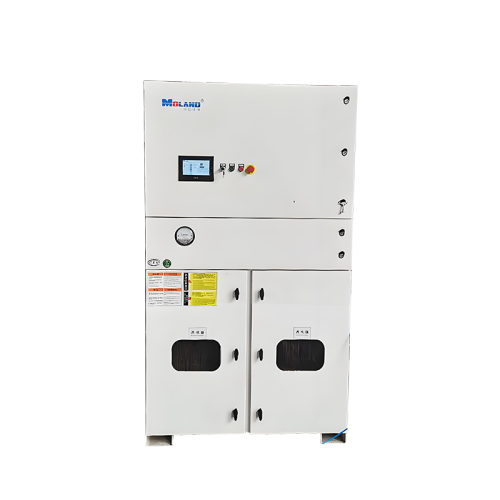

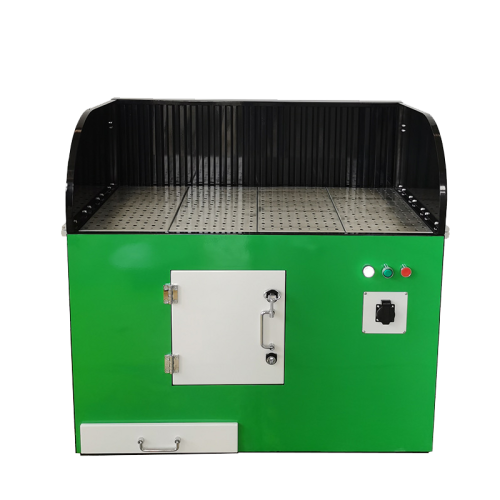


Plasma flame cutting machines generate large amounts of metal dust, harmful gases, and high-temperature sparks during operation. Dust control need meet three core requirements: efficient dust collection, spark interception, and high-temperature resistance. The metal dust generated during the cutting process typically has a particle size of 0.1–10μm. This ultrafine dust is easily suspended and diffuses. If direct emission not only pollute the workshop environment but also harm workers' health. Today, we will introduce targeted solutions and selection considerations for dust removal of plasma Cutting.
The main challenges in dust control include: the high-temperature sparks easily igniting the filter material, and the large volume and rapid diffusion of the fume and dust.
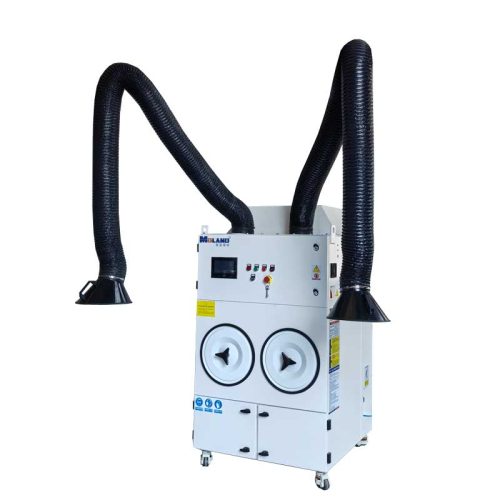
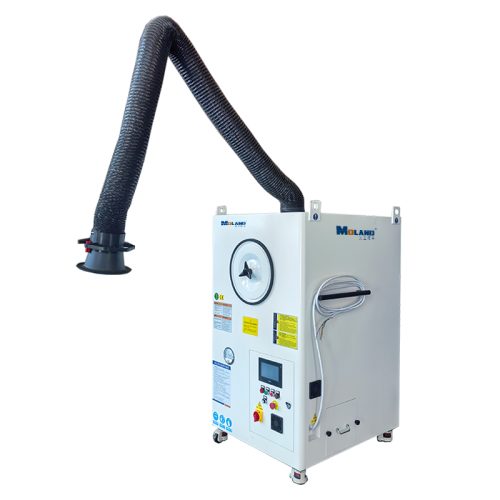
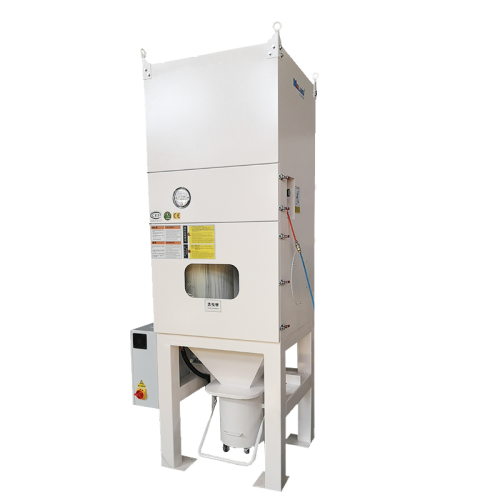
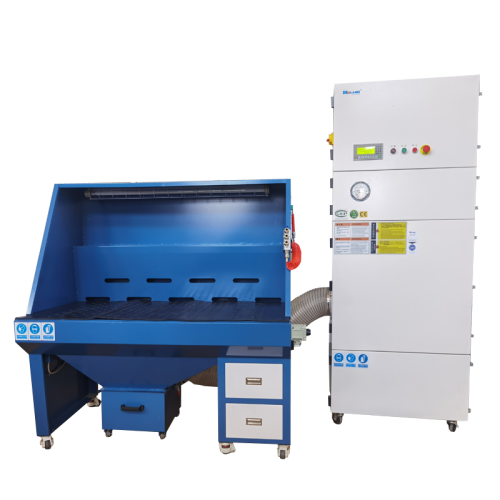
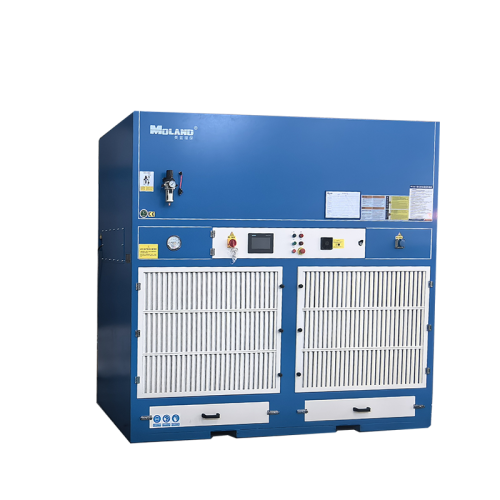
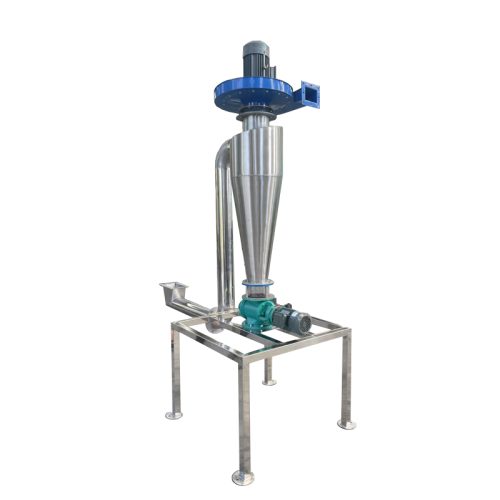
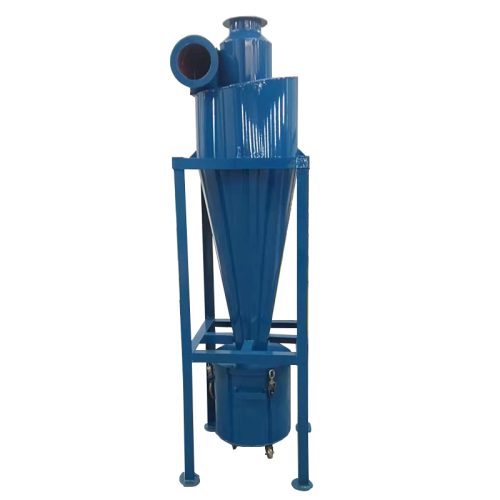
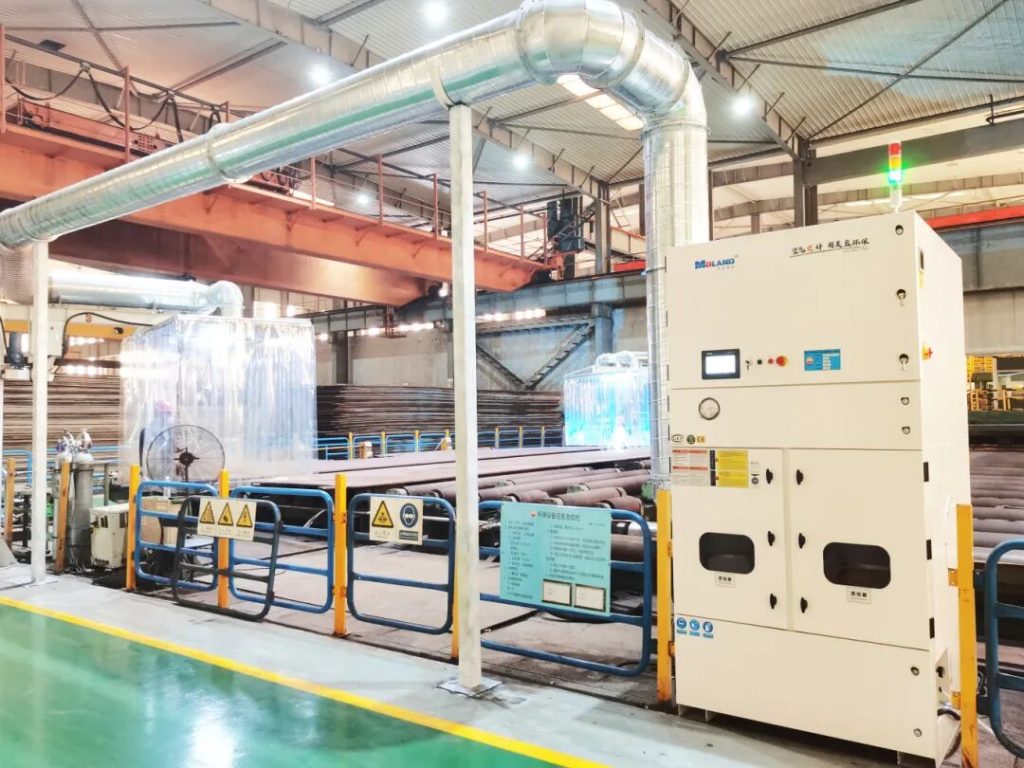
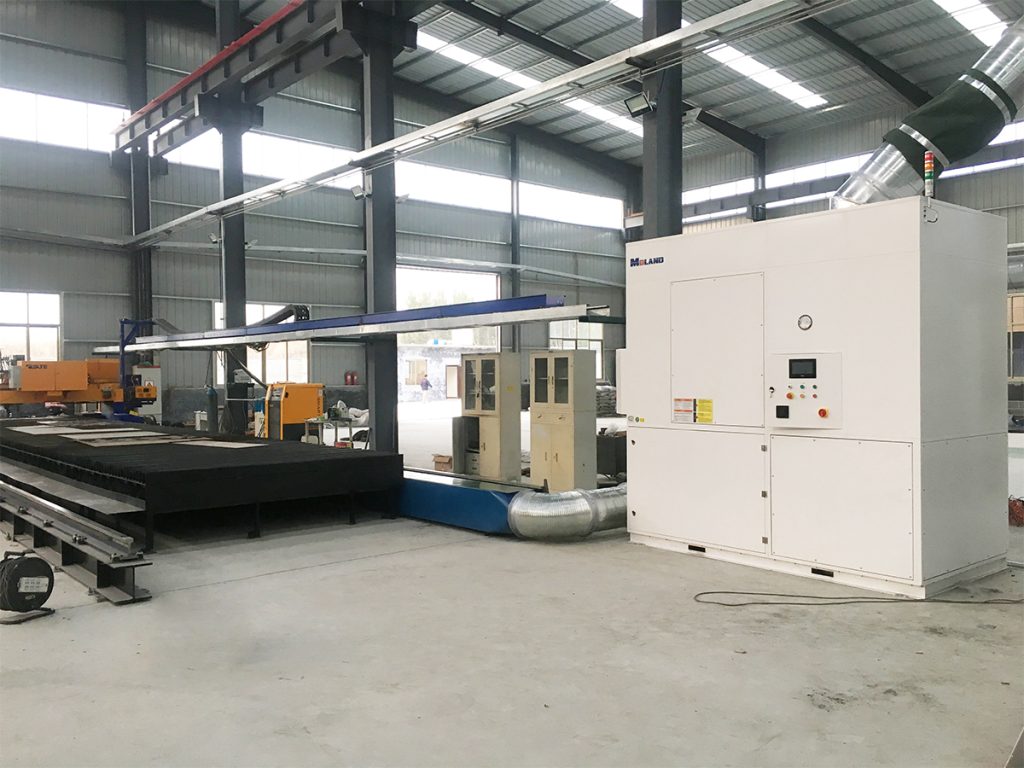
1.Upward-Suction Centralized Dust Collection System: Suitable for large/medium-sized workshops. It uses collection hood and industrial dust collector for negative pressure dust collection. Large particle dust and sparks is intercepted by Spark Catcher and fine dust filtered through HEAP filter. Then purified air meet emission standards, achieving a dust capture rate of ≥99.9%. It can operate continuously for 24 hours.
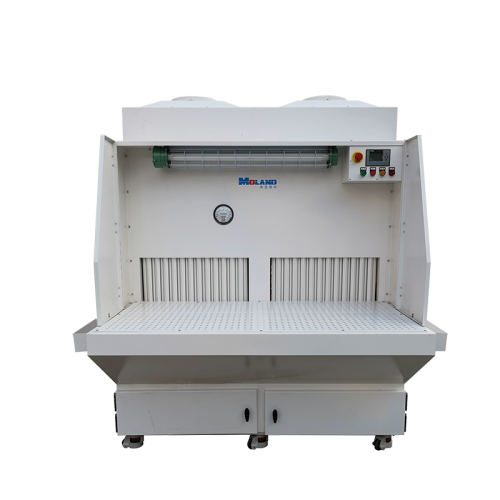
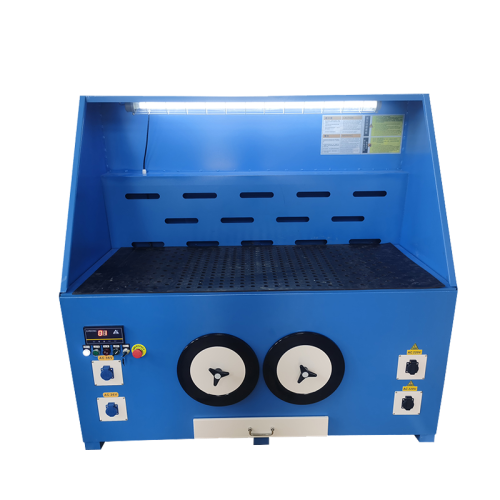
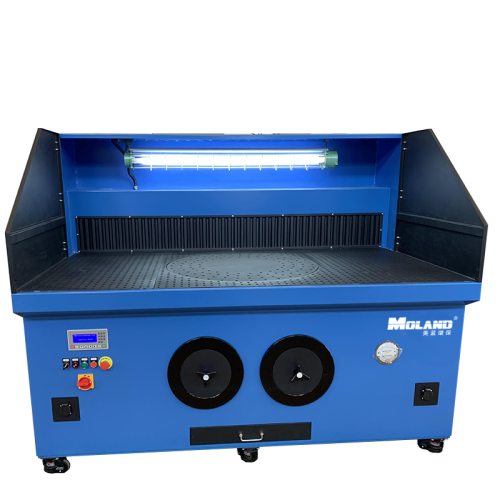
2.Downward-Suction Platform Dust Collection System: Suitable for precision cutting. It uses perforated platform and bottom dust collection box to capture dust at the source, ensuring clear visibility and cutting accuracy.
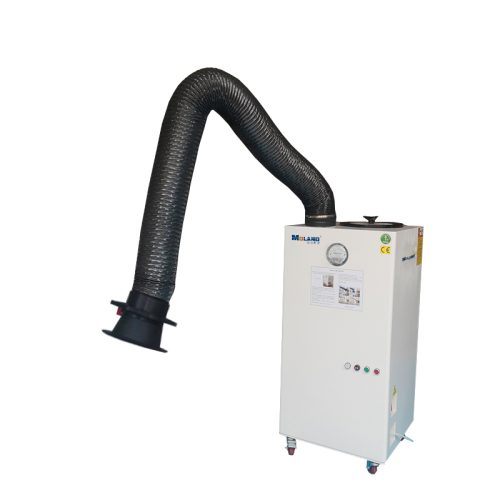
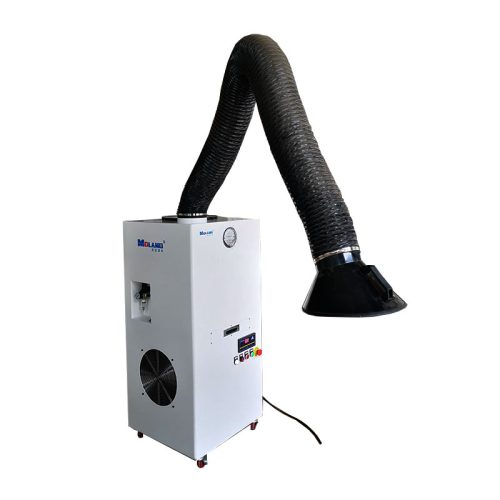
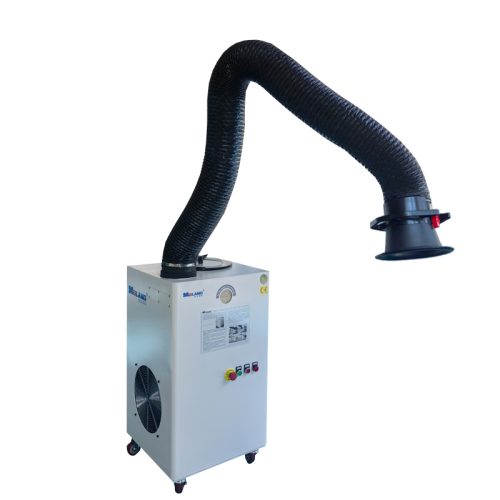
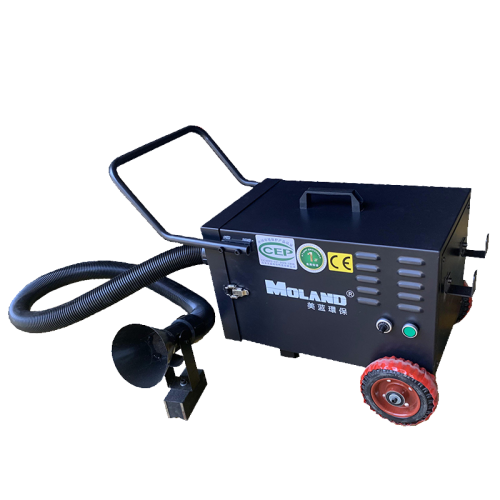
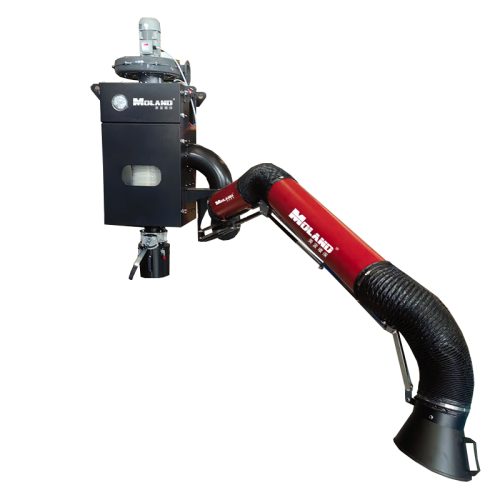
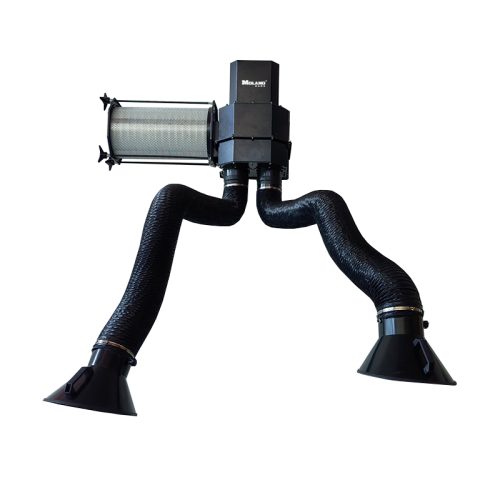
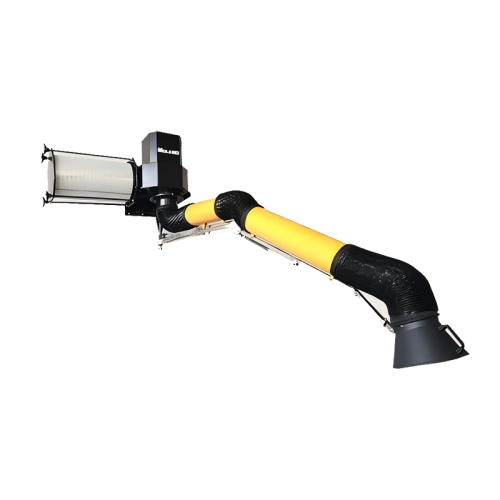
3.Mobile Dust Collector: Suitable for small/temporary workstations. Its suction arm allows for flexible movement; it's plug-and-play with low initial investment.
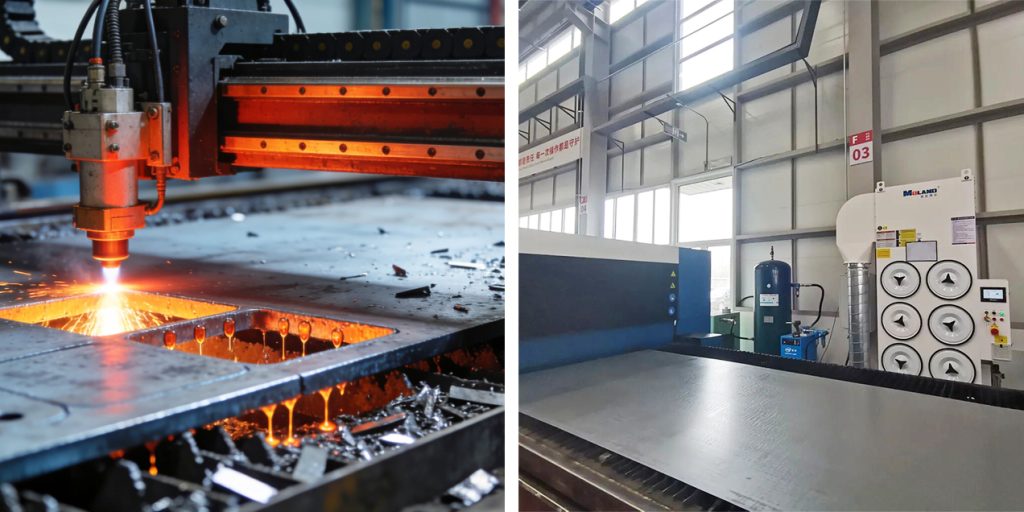
Matching airflow and collection range, calculate the required airflow based on the cutting platform size, power, and speed, allowing a 10%-20% margin to handle fluctuations in dust volume; Enhancing safety protection, equip with spark interception devices. When cutting flammable metals such as aluminum and magnesium, select anti-static filters and explosion-proof equipment structures to eliminate the risk of inflammation and explosion; Considering the characteristics of metal dust and its fine particle size, prioritize filter materials such as membrane-coated polyester fiber (PTFE membrane); Balancing operation and maintenance with cost-effectiveness, select the appropriate solution as needed.
In summary, the three solutions can achieve full-scenario coverage. Reasonable selection can solve pollution problems, ensure safety and environmental protection, reduce costs, and help enterprises achieve green and efficient production.