


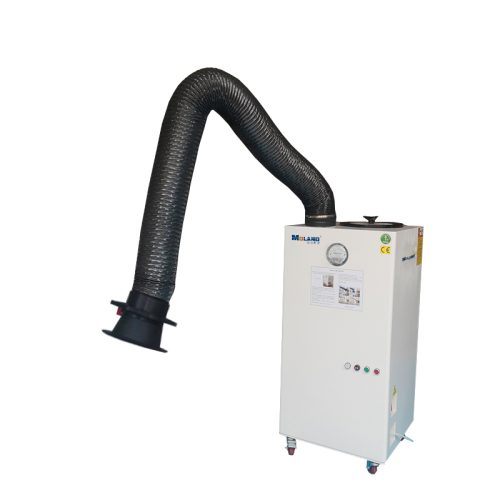
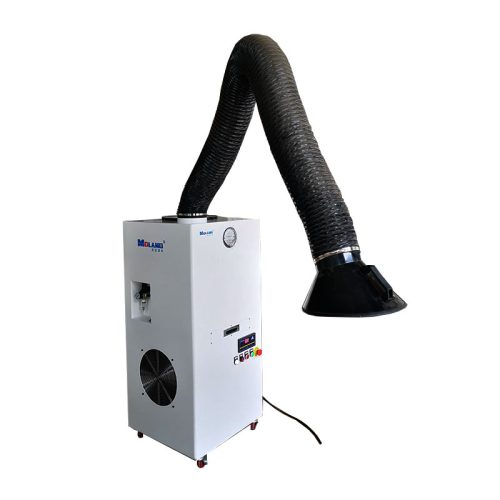
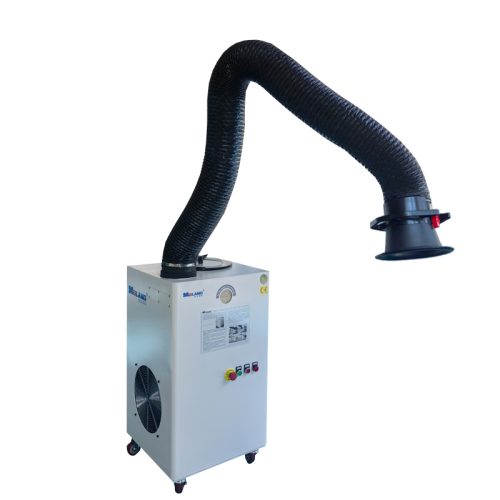
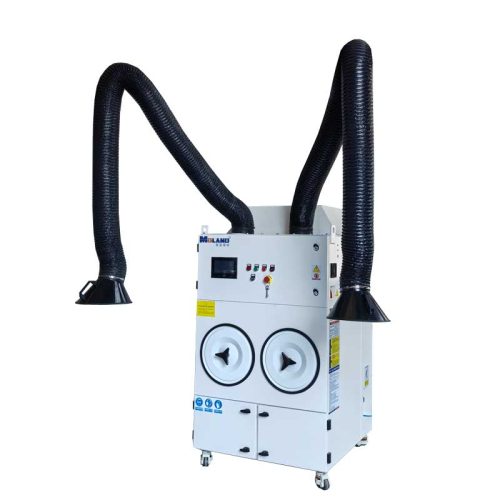
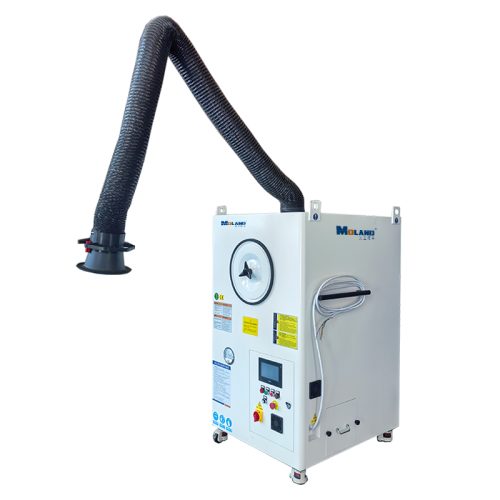
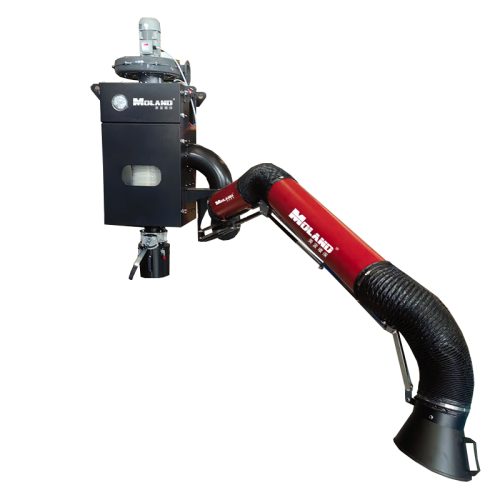
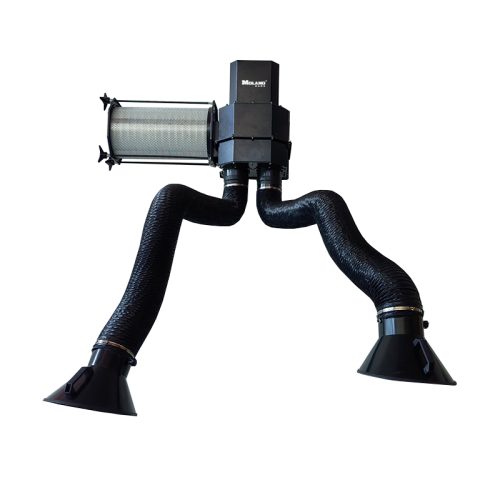
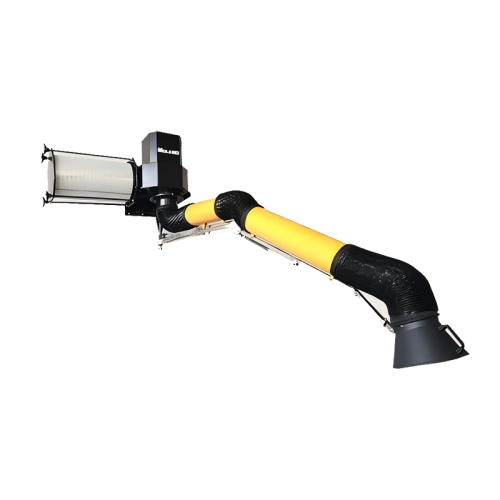


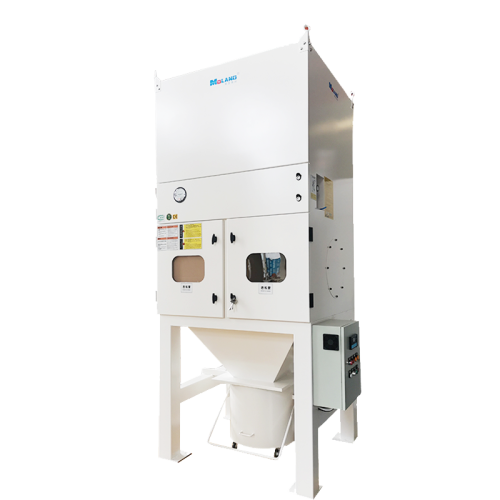
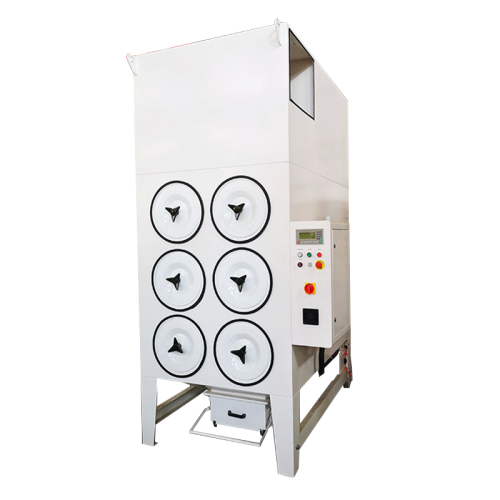
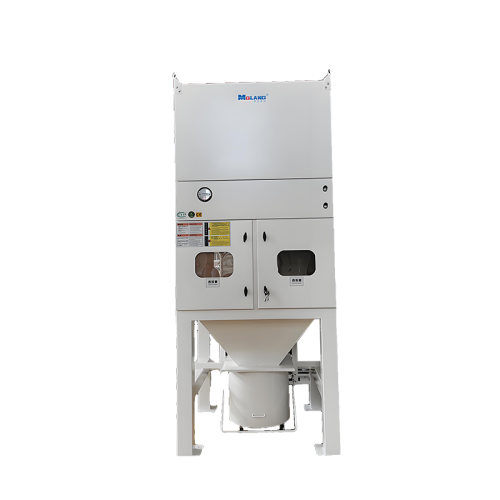
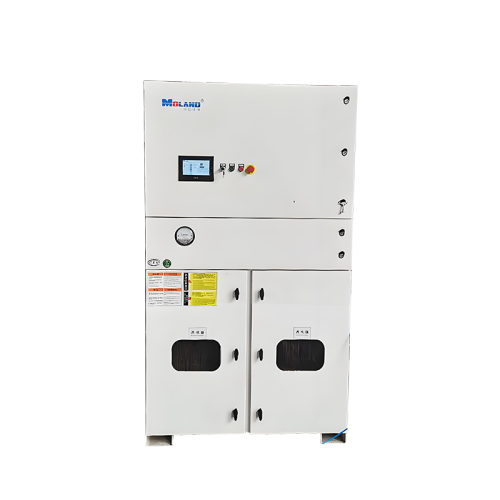



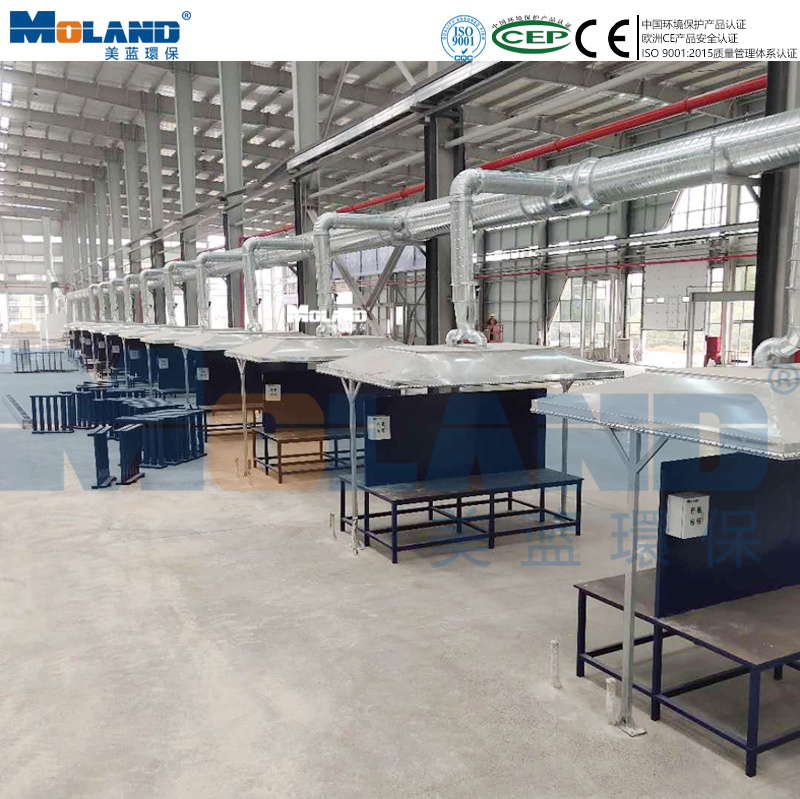
Overhead Suction Hood Welding Fume Extraction. Welding fume exposure remains one of the most overlooked hazards in metal fabrication workshops. In fixed welding stations, operators work at the same location for hours. Consequently, fumes accumulate directly in their breathing zone. General ventilation simply dilutes the pollution rather than removing it. Therefore, a targeted capture system is essential. The overhead suction hood dust extraction system, also known as a罩吸式除尘系统, addresses this challenge with precision engineering designed for stationary welding operations.
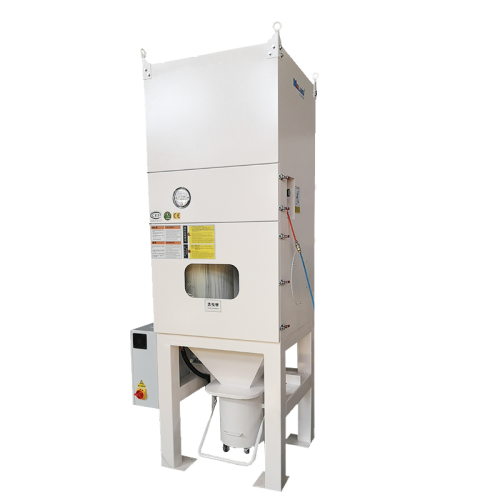
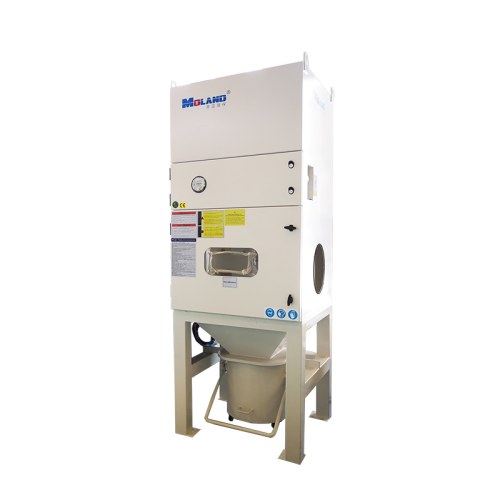
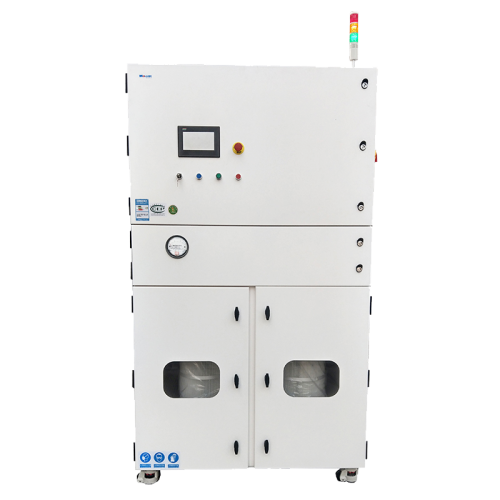
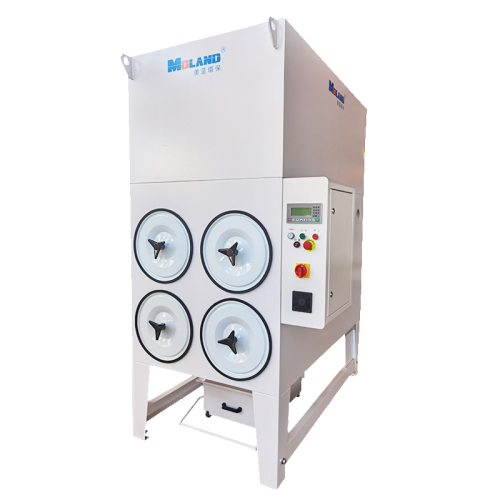
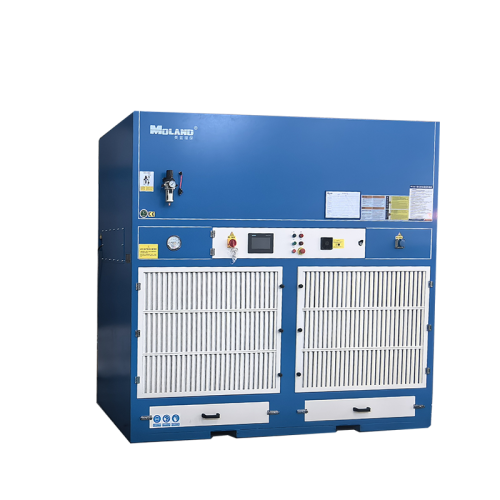
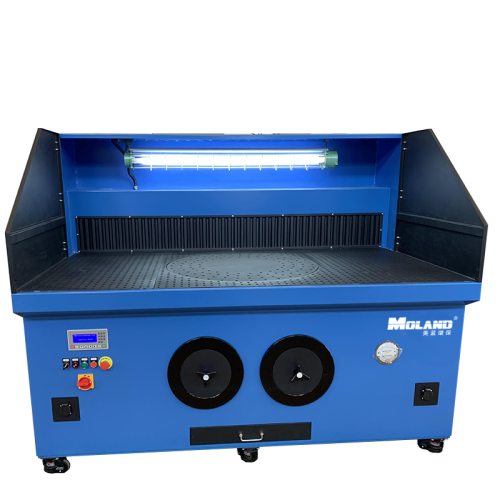
An overhead suction hood extraction system is a localized fume capture solution. It is specifically designed for fixed-position welding. Furthermore, it creates a controlled capture zone. This zone draws fumes upward before they reach the operator's breathing area. The system consists of three core components: the suction hood, the filtration unit, and the connecting ductwork.
The suction hood features a quadrangular frustum shape, meaning each of its four sides tapers from a wider bottom opening to a narrower top connection. Moreover, each face forms an angle of no less than 45° with the ground. This specific geometry serves a critical purpose: it minimizes lateral airflow interference while maximizing the capture envelope.
Lateral air currents from walking personnel, overhead fans, or open doors can deflect fume plumes away from a capture hood. However, the 45° sidewall angle creates a smooth aerodynamic transition. As a result, air flows uniformly into the hood opening. Turbulence zones that would otherwise allow fumes to escape are eliminated. In addition, the angled walls extend the effective capture distance beyond the hood's physical opening.
When the extraction system operates, it generates an upward airflow field beneath the hood. Within this field, welding fumes produced at any point rise naturally due to thermal buoyancy. Subsequently, the induced airflow carries them directly into the hood.
A properly designed suction hood provides full fume capture without restricting the welder's movement. The hood is positioned overhead, well above the workpiece. Therefore, the welder can access all sides of the joint freely. Furthermore, no hoses, arms, or fixtures intrude into the workspace. This is particularly important for heavy fabrication where workpieces are large and access is critical.
Portable extractors depend on the operator positioning the extraction arm correctly. In practice, this rarely happens consistently. Overhead hoods, by contrast, capture fumes automatically regardless of operator behavior. Consequently, protection is reliable shift after shift.
Modern overhead hood systems pair with PTFE membrane filter cartridges. These cartridges are rated at 99.97% efficiency for particles down to 0.3 microns. Therefore, filtered air meets indoor recirculation standards. This eliminates the need for external exhaust and the associated energy loss.
Since the capture hood is fixed and the airflow path is optimized, the system operates at lower static pressure. This pressure reduction is significant compared to flexible arm alternatives. Additionally, PTFE cartridges last 3-5 years with proper pulse cleaning. Consequently, replacement costs decrease significantly.
With fumes captured at the source before they spread, the entire workshop stays clean. Equipment surfaces, lighting fixtures, and ventilation ducts accumulate far less dust. As a result, maintenance costs decrease and workplace safety improves.
This system is ideal when the following conditions apply:
Conversely, for highly mobile welding operations or extremely large assemblies, alternative solutions such as push-pull systems or mobile extractors may be more appropriate.
Moland designs and manufactures overhead suction hood extraction systems tailored to each workshop layout. Key features include:
Are your welders still breathing fumes that a properly designed overhead hood could capture completely?