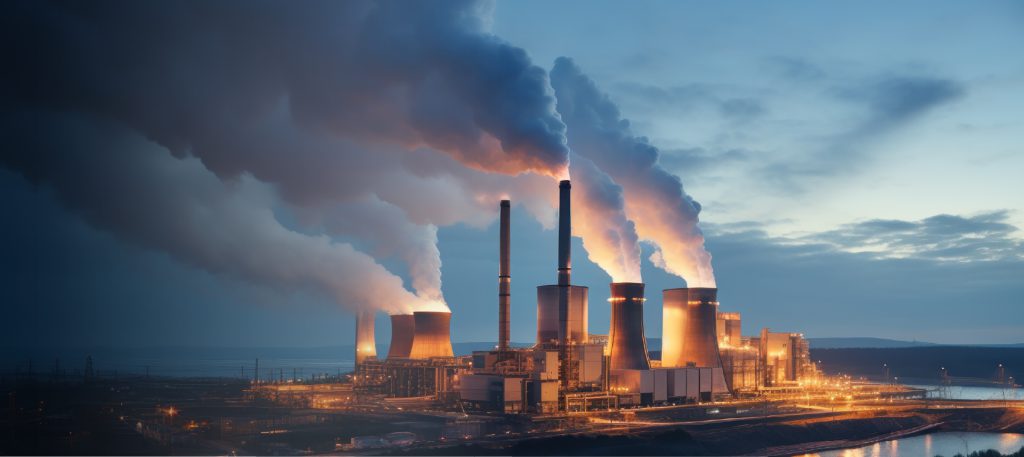


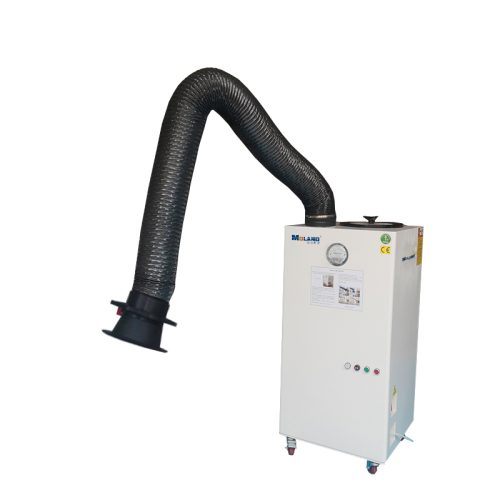
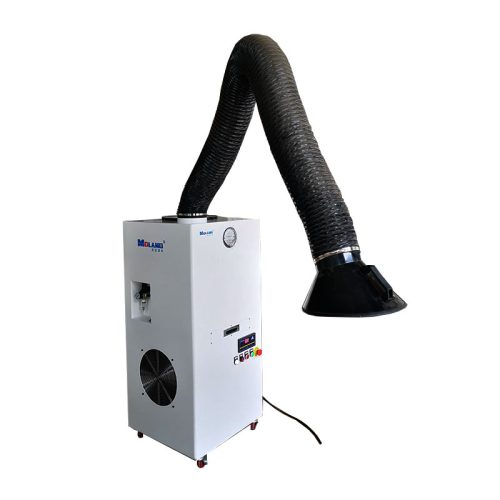
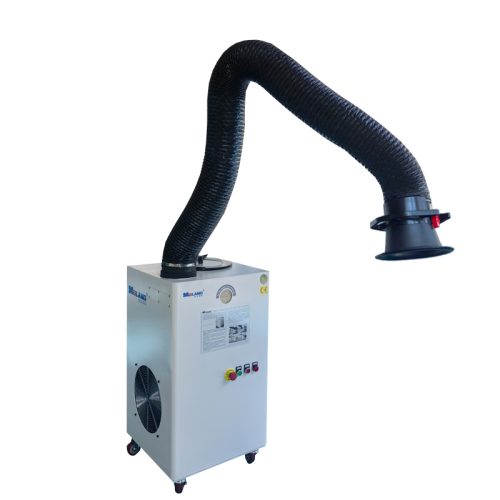
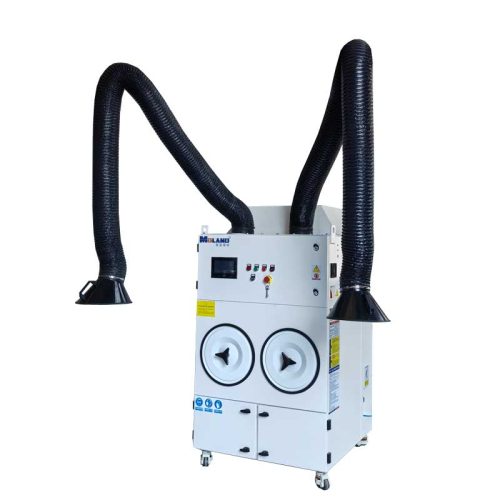
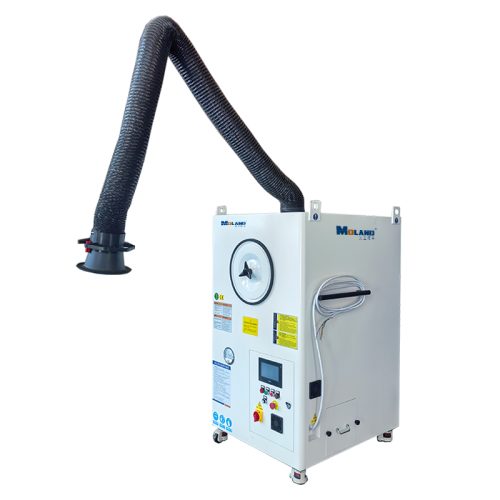
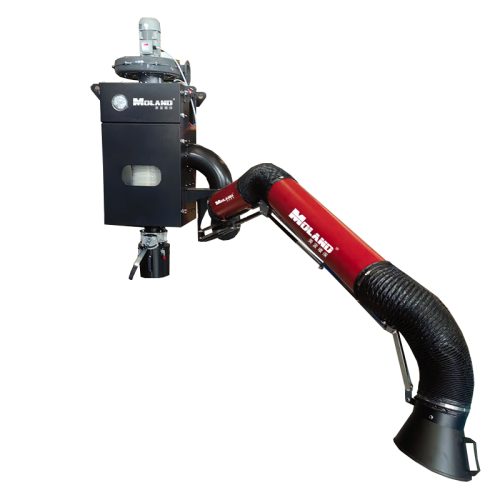
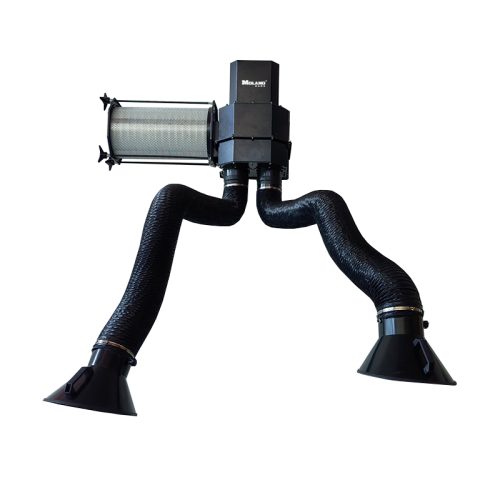
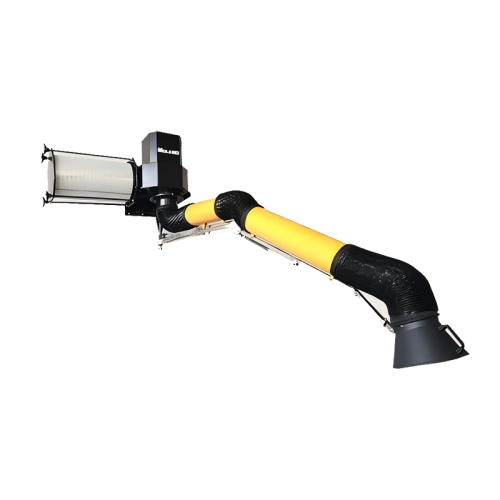


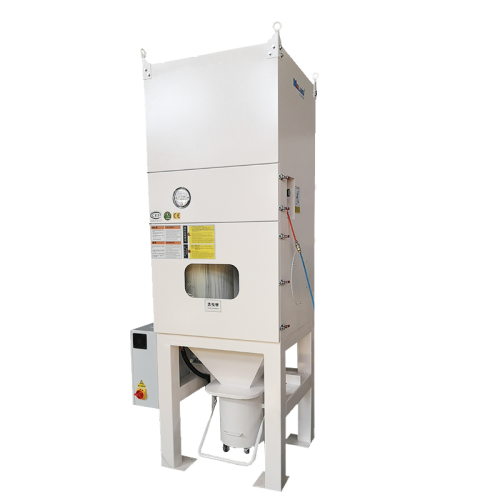
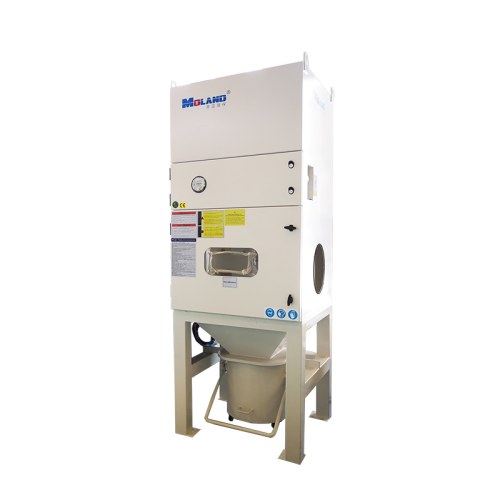
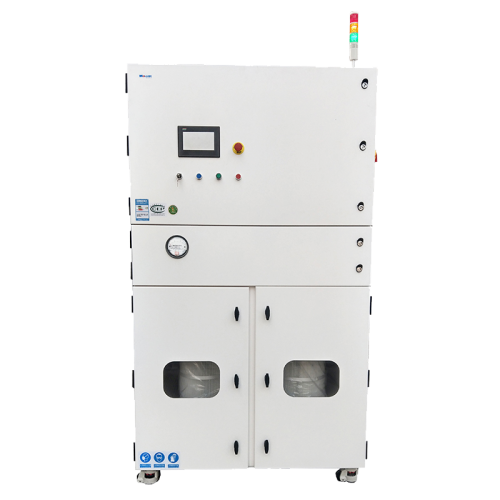
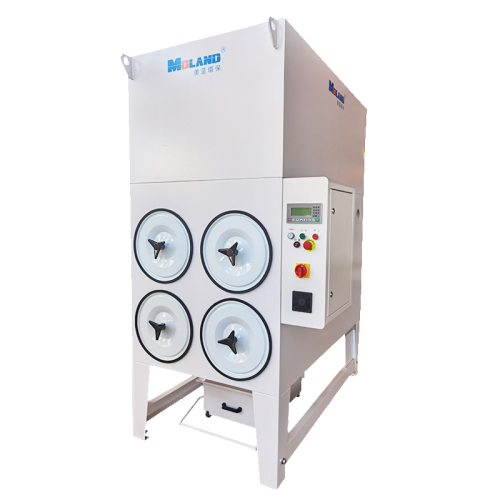
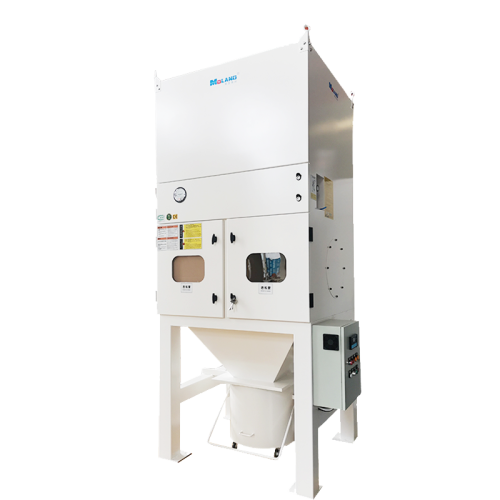
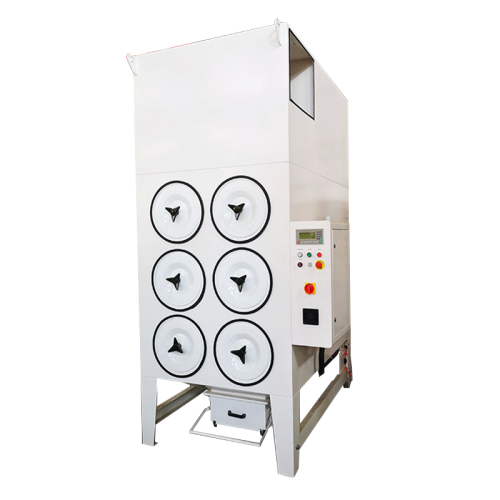
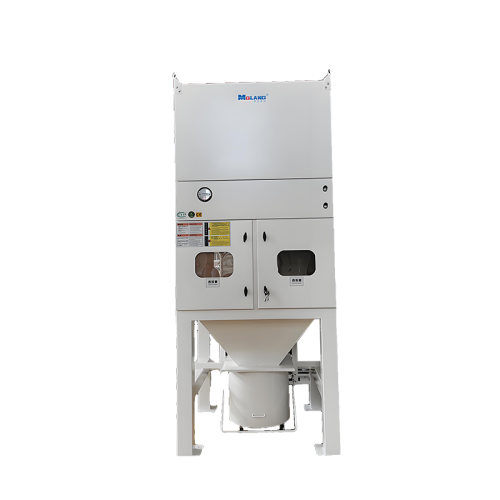
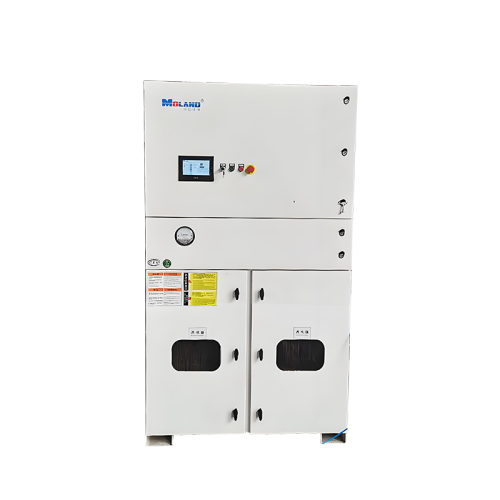

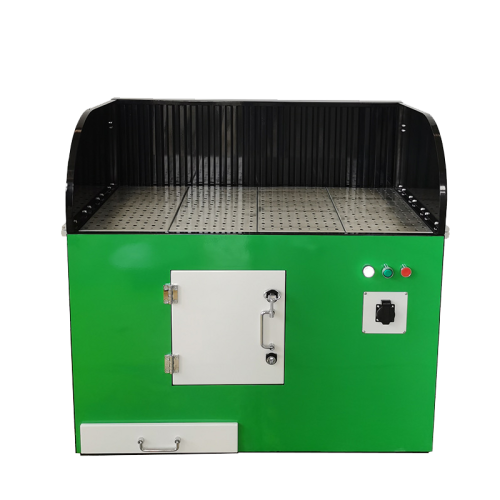
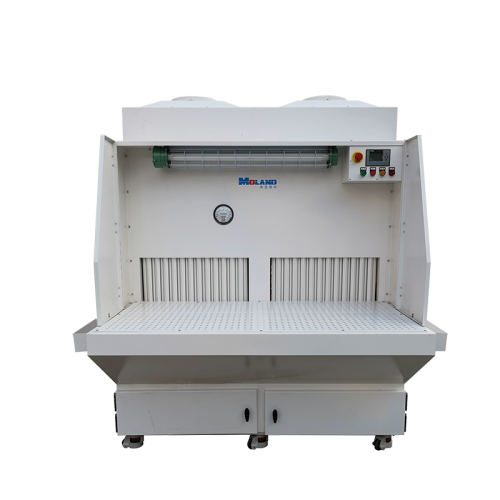
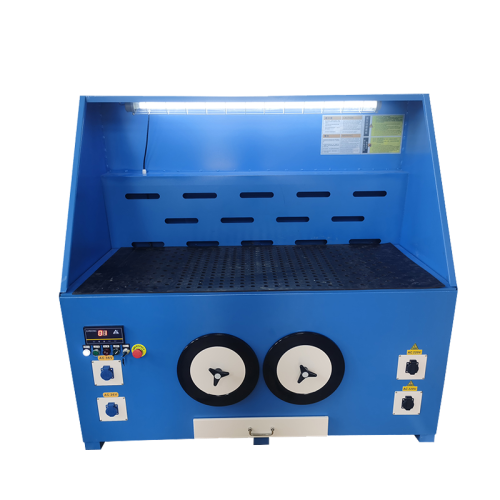
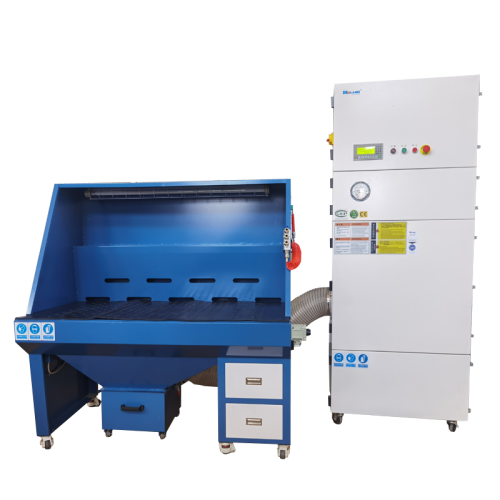
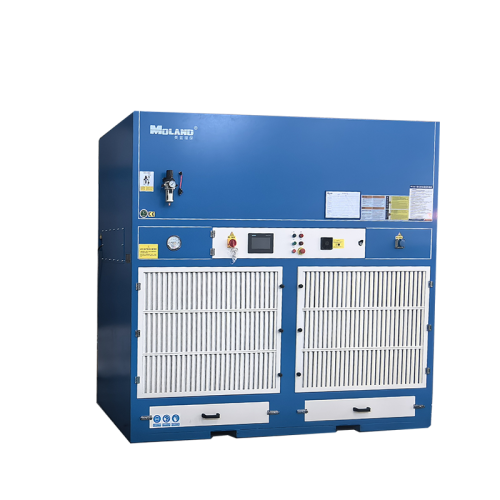
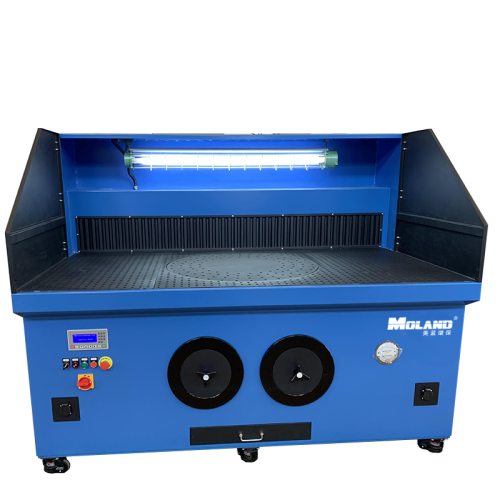

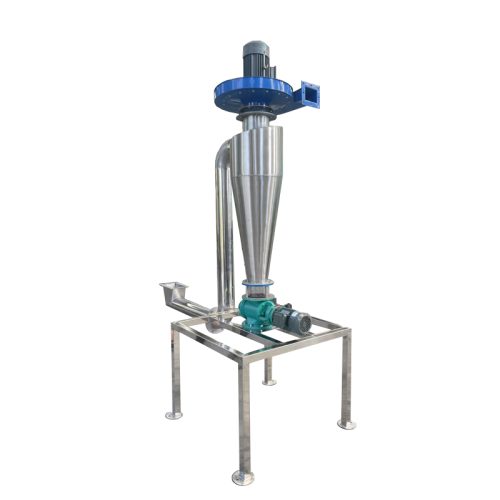
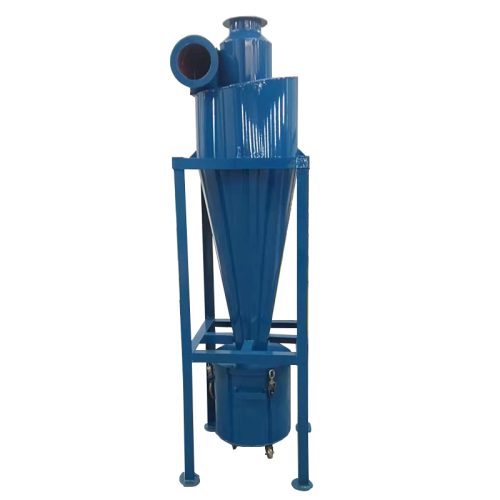

In the manufacturing sector, the choice of environmental protection equipment is crucial. Nowadays, more and more manufacturing owners are finding that many of their peers have replaced baghouse dust collectors with cartridge dust collectors. This isn't blindly following the trend; rather, baghouse dust collectors have many shortcomings and struggle to meet current environmental requirements. In particular, the "14th Five-Year Plan for Industrial Green Development" explicitly requires dust emissions to be ≤10mg/m³, making equipment replacement and upgrading an inevitable trend. Next, let's delve into the problems of baghouse dust collectors and the advantages of cartridge dust collectors.
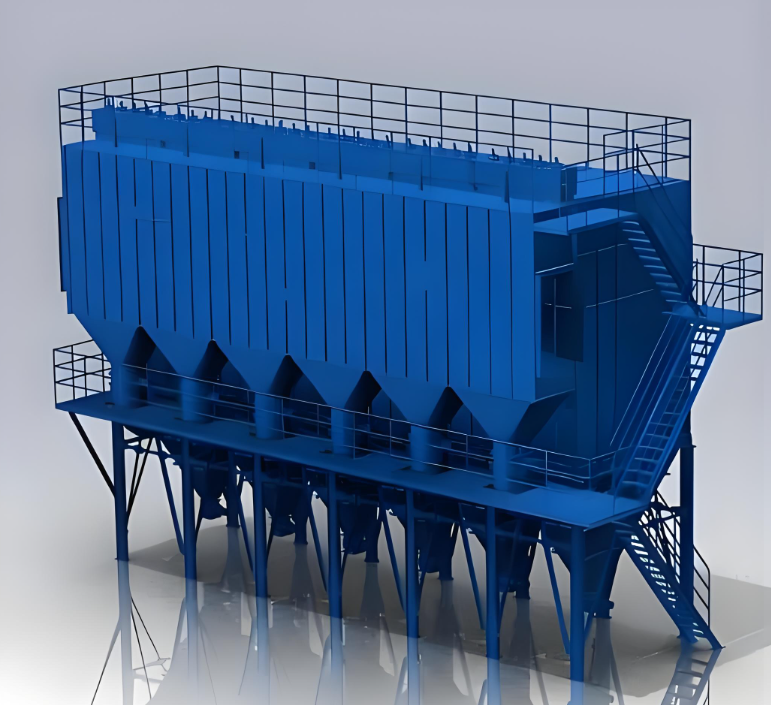
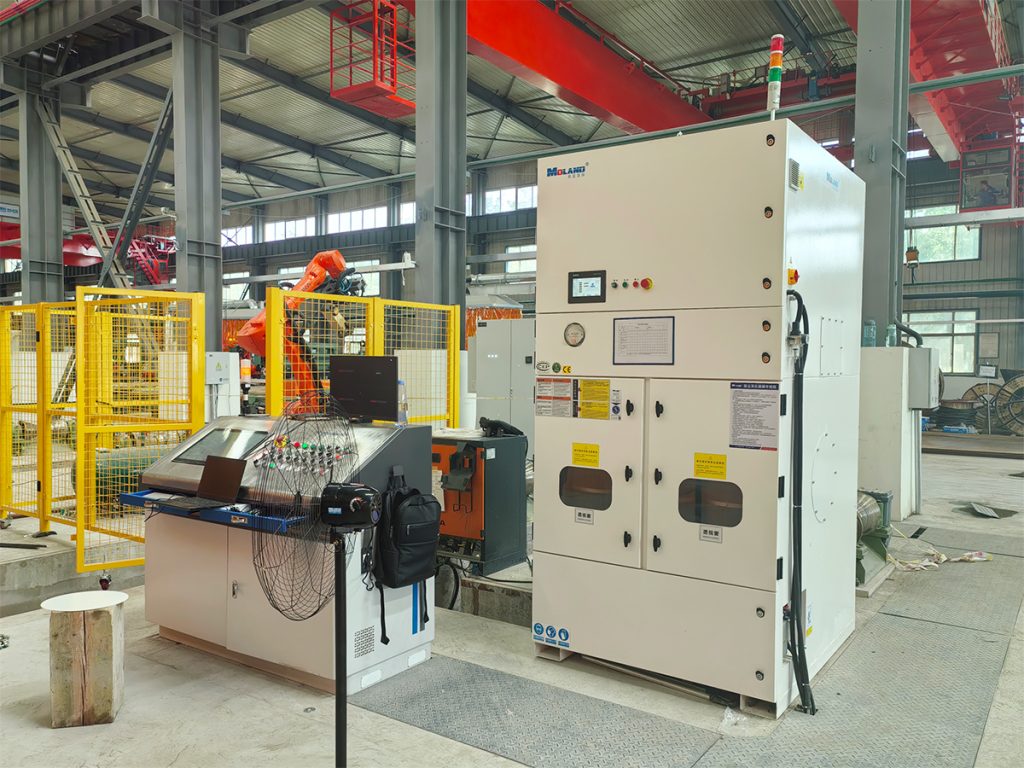
While baghouse dust collectors have revealed numerous problems, cartridge dust collection equipment have gradually emerged as a leading technology.
The emergence of these dust collectors has solved many environmental and production challenges for enterprises. It not only meets new environmental standards but also reduces costs and improves production efficiency.
The rise of cartridge dust collectors is closely related to the promotion of environmental policies and the needs of enterprise development.
With increasingly stringent environmental protection requirements, enterprises need to find more efficient and environmentally friendly dust removal equipment. Cartridge dust collectors perfectly meet these needs. In industries with high environmental requirements, such as machinery, furniture, and metallurgy, they have been widely used.
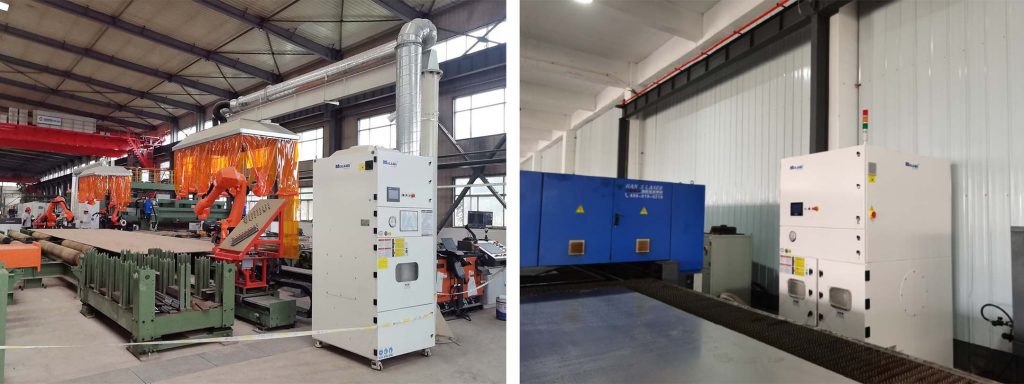
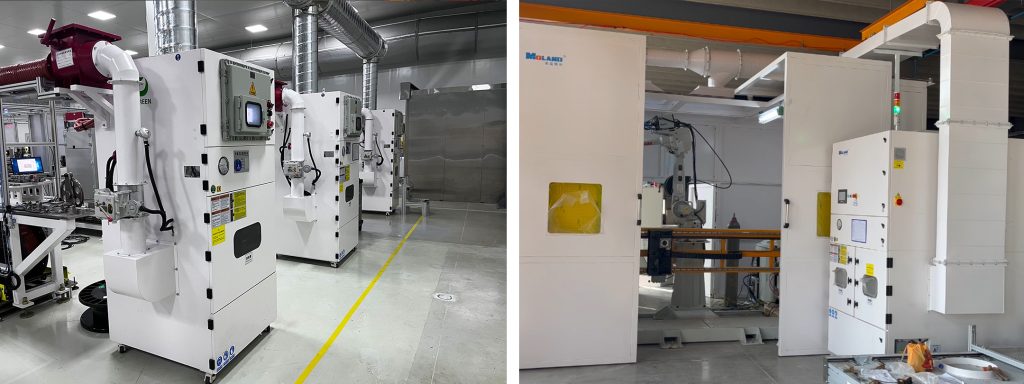
With increasingly stringent environmental requirements and enterprises' demand for efficient and low-cost production, cartridge dust collectors have a promising future and will be widely adopted in more industries. Its technology will continue to innovate and upgrade, employing advanced materials and technologies to improve filtration efficiency, reduce energy consumption, and enhance safety, better meeting the diverse needs of enterprises.
The development of dust collectors will drive technological progress and equipment iteration in the environmental protection industry, playing an increasingly significant role under the national green development strategy.
Enterprises should seize this opportunity and actively apply these technologies to achieve sustainable development.