Meta Description: Discover how activated carbon exhaust gas purification systems remove industrial VOCs through adsorption — from standalone carbon beds to adsorption-desorption + catalytic oxidation combos achieving 99% removal and energy-efficient compliance.
Keywords: activated carbon exhaust gas purification, activated carbon VOC adsorption, industrial VOC treatment system, activated carbon adsorption desorption, catalytic oxidation VOC removal, honeycomb activated carbon exhaust treatment, 活性炭废气净化, 活性炭吸附VOCs
焦点关键词: activated carbon exhaust gas purification / 活性炭废气净化
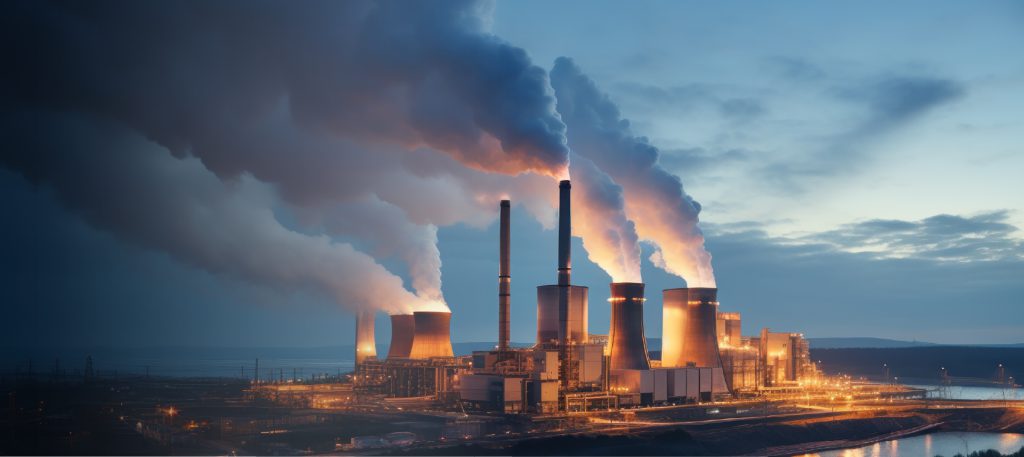
Volatile organic compounds (VOCs) are among the most regulated industrial air pollutants worldwide. Specifically, they include solvents such as toluene, xylene, benzene, acetone, and ethyl acetate emitted by painting, printing, chemical processing, and pharmaceutical manufacturing. Moreover, these compounds contribute to ground-level ozone formation, pose serious health risks, and trigger increasingly strict environmental enforcement. Consequently, activated carbon exhaust gas purification has become the most widely deployed technology for industrial VOC control, and facilities that fail to implement it face production shutdowns, heavy fines, and reputational damage.
Activated carbon exhaust gas purification addresses this challenge with the broadest compound coverage among available technologies. Specifically, the microporous structure of activated carbon — with specific surface areas ranging from 500 to 1500 m²/g — captures organic molecules through physical adsorption driven by van der Waals forces. Therefore, it effectively removes non-polar and weakly polar VOCs that other technologies struggle to handle.
Furthermore, activated carbon systems offer a unique advantage: solvent recovery. Unlike thermal oxidizers that destroy captured VOCs, carbon adsorption retains the organic compounds intact. Consequently, facilities can recover and reuse valuable solvents, generating payback periods of one to three years for high-concentration applications.
Activated carbon exhaust gas purification is an adsorption-based air treatment technology that removes VOCs and odorous compounds from industrial exhaust streams. Specifically, contaminated air passes through a bed of activated carbon, where organic molecules are captured within the carbon's microporous structure. Therefore, clean air exits the system in compliance with emission standards.
The technology operates in two fundamental modes. First, standalone adsorption systems capture VOCs on disposable or replaceable carbon beds. Moreover, once the carbon reaches saturation, it is replaced with fresh media. This mode suits low-concentration, intermittent emission scenarios. Second, adsorption-desorption systems regenerate the carbon in place using hot air, steam, or nitrogen. Furthermore, the desorbed high-concentration VOC stream is then treated through catalytic oxidation (CO/RCO) or recovered through condensation. Consequently, the carbon can be reused for thousands of cycles, dramatically reducing consumable waste.
Honeycomb activated carbon features a structured monolithic form with parallel channels. Specifically, its specific surface area reaches 1000 m²/g or above. Moreover, the channel geometry ensures airflow resistance only one-tenth that of granular carbon. Therefore, it is ideal for high-volume, low-concentration exhaust streams where low pressure drop is critical.
Furthermore, honeycomb carbon suits adsorption-desorption systems particularly well. Specifically, the uniform channel structure allows even hot air distribution during desorption. Consequently, regeneration efficiency improves while energy consumption decreases. However, honeycomb carbon typically has a lower iodine value (≥650 mg/g) compared to columnar carbon. Therefore, it is best suited for exhaust concentrations below 300 mg/m³.
Columnar activated carbon is produced by extrusion into uniform cylindrical pellets. Specifically, its iodine value reaches 800 mg/g or higher. Moreover, the pelletized form provides lower pressure drop, more uniform flow distribution, and higher mechanical strength compared to granular carbon. Therefore, it is the default choice for deep-bed industrial systems.
In addition, columnar carbon handles higher VOC concentrations effectively. Specifically, its greater adsorption capacity extends the interval between desorption cycles. Consequently, operating costs decrease for medium-concentration applications (300–1000 mg/m³). Furthermore, the high ball-pan hardness (>95%) ensures durability during repeated thermal regeneration cycles.
Granular activated carbon offers the highest surface area per volume among the three forms. Specifically, it provides faster adsorption kinetics due to smaller particle size. However, GAC creates higher pressure drop and generates more dust during handling. Therefore, it is typically used in applications where bed depth is limited and rapid adsorption is the priority.
表格
| Parameter | Honeycomb | Columnar | Granular (GAC) |
|---|---|---|---|
| Iodine value | ≥650 mg/g | ≥800 mg/g | ≥800 mg/g |
| Specific surface area | ≥1000 m²/g | 800–1200 m²/g | 800–1500 m²/g |
| Pressure drop | Lowest | Low | Higher |
| Best for VOC concentration | <300 mg/m³ | 300–1000 mg/m³ | Variable |
| Mechanical strength | Moderate | Highest | Low |
| Desorption suitability | Excellent | Excellent | Moderate |
| Typical service life | 1.5–2 years | 2–3 years | 1–2 years |
As a result, the carbon type must be matched to the specific exhaust characteristics. Moreover, incorrect selection leads to either premature saturation or unnecessary cost.
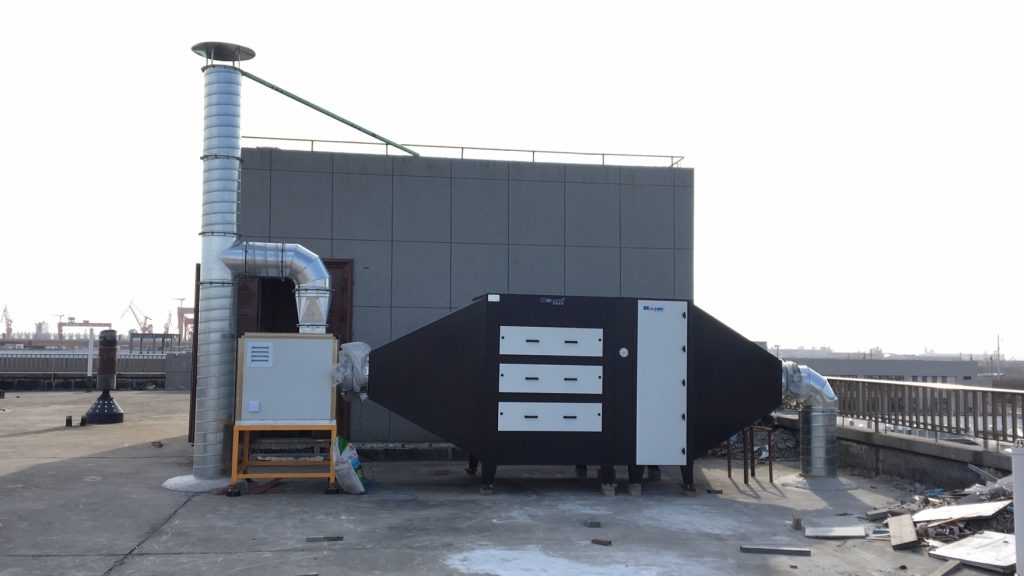
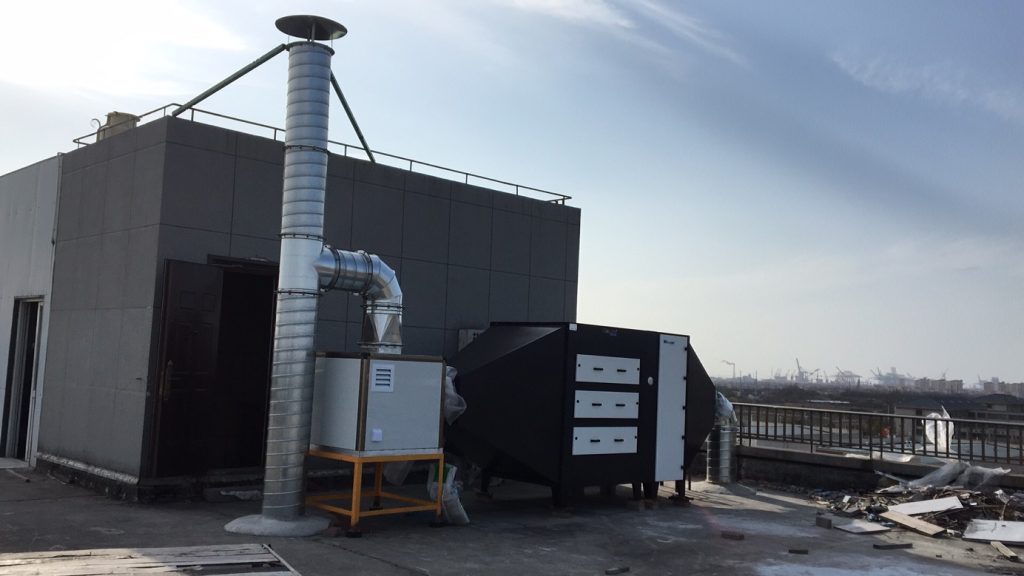
The simplest and most cost-effective configuration. Specifically, exhaust air passes through one or more carbon beds in series. Moreover, when the carbon reaches saturation, it is replaced with fresh media. Therefore, this configuration suits facilities with low VOC concentrations, intermittent operations, or limited budgets.
Key design parameters include:
Furthermore, standalone systems achieve 90–95% removal efficiency for non-polar VOCs. Consequently, they are sufficient for many compliance scenarios where inlet concentrations are modest. However, the ongoing cost of carbon replacement and hazardous waste disposal must be factored into the total cost of ownership.
This configuration addresses the consumable waste problem of standalone systems. Specifically, it operates in two alternating phases:
Adsorption phase: Exhaust air passes through the carbon bed, where VOCs are captured. Moreover, clean air exits to atmosphere. Typically, two beds operate in adsorption mode while one stands by for desorption. Therefore, continuous treatment is maintained.
Desorption and catalytic oxidation phase: When the carbon approaches saturation, hot air at 120–150°C is blown through the bed in reverse flow. Furthermore, this desorbs the captured VOCs, producing a concentrated stream at 10–30 times the original concentration. Consequently, this small-volume, high-concentration stream enters the catalytic oxidation chamber, where a precious metal catalyst (Pt/Pd) oxidizes VOCs to CO₂ and H₂O at 250–400°C. Meanwhile, the carbon bed is cooled and returned to adsorption service.
The advantages are significant:
The RCO (Regenerative Catalytic Oxidizer) variant adds ceramic heat exchange media to the catalytic oxidation stage. Specifically, the ceramic beds recover over 95% of the reaction heat. Therefore, once the system reaches operating temperature, it becomes auto-thermal — the heat released by oxidizing VOCs sustains the combustion process without external fuel.
Furthermore, this configuration is ideal for continuous-production facilities with moderate VOC concentrations. Specifically, when the concentrated desorption stream exceeds approximately 2000 ppm, the exothermic reaction provides sufficient energy to maintain catalyst temperature. Consequently, fuel consumption drops to near zero during steady-state operation.
In addition, the RCO configuration produces no thermal NOx because the operating temperature (300–400°C) is far below the threshold for thermal NOx formation. Therefore, it offers both environmental and regulatory advantages over high-temperature thermal oxidizers.
Activated carbon performance depends heavily on the condition of the incoming exhaust. Specifically, three pretreatment requirements must be met:
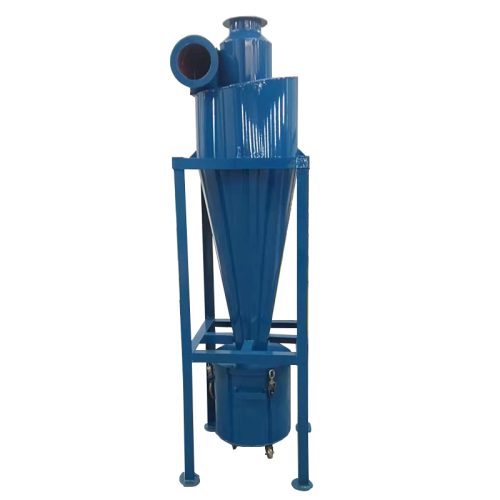
Dust, paint mist, and oil droplets clog carbon pores and reduce adsorption capacity dramatically. Therefore, pre-filtration using dry-type mist eliminators, bag filters, or cyclone separators is mandatory before the carbon bed. Moreover, paint spray applications require dedicated paint mist filtration units — typically dry-type folding baffle plates or water curtains — to intercept overspray before it reaches the carbon.
Activated carbon adsorption efficiency declines sharply at temperatures above 40°C and relative humidity above 50%. Specifically, at 80% RH, adsorption capacity can drop 30–50% as water molecules compete with VOCs for pore sites. Therefore, cooling and dehumidification equipment must be installed when exhaust conditions exceed these limits. Furthermore, hydrophobic carbon types can partially compensate for humidity, but pre-drying remains the most reliable solution.
Certain industrial processes — particularly chemical and pharmaceutical manufacturing — produce acidic gases (HCl, H₂S) or alkaline gases (NH₃) alongside VOCs. Moreover, these corrosive gases degrade activated carbon and shorten its service life. Therefore, acid-base scrubbing towers must be installed upstream of the carbon bed. Consequently, the carbon focuses solely on VOC adsorption, maximizing its effective lifetime.
表格
| Parameter | Recommended Range | Impact of Deviation |
|---|---|---|
| Face velocity | 0.3–0.8 m/s | Too high → reduced contact time, lower efficiency; too low → oversized equipment |
| EBCT | 0.8–1.5 s (standalone), 2–4 s (recovery) | Insufficient time → breakthrough before saturation |
| Operating temperature | ≤40°C | Above 40°C → capacity drops significantly |
| Relative humidity | ≤50% | Above 50% → water competes for adsorption sites |
| Inlet VOC concentration | ≤1000 mg/m³ (standalone) | Higher concentrations → rapid saturation, frequent replacement |
| Carbon bed depth | 0.3–1.0 m | Too shallow → channeling; too deep → excessive pressure drop |
| Desorption temperature | 120–150°C | Below 100°C → incomplete desorption; above 180°C → fire risk |
Therefore, every parameter must be engineered to match the specific exhaust conditions. Moreover, generic off-the-shelf solutions frequently underperform because they ignore site-specific variables.
表格
| Parameter | Activated Carbon Adsorption | RTO | RCO (Standalone) | UV Photolysis |
|---|---|---|---|---|
| Applicable concentration | ≤1000 mg/m³ | 100–2000 ppm | 100–1500 ppm | ≤200 mg/m³ |
| Removal efficiency | 90–99% | 95–99% | 95–99% | 50–80% |
| Solvent recovery | Yes | No | No | No |
| Capital cost | Low to medium | Elevado | Medium | Low |
| Operating cost | Carbon replacement | High fuel | Medium fuel | Electricity |
| NOx generation | None | Significant | Minimal | Possible ozone |
| Startup time | Instant | 30–60 min | 15–45 min | Instant |
| Best application | Low concentration, intermittent | High concentration, continuous | Medium concentration, continuous | Odor only |
Therefore, activated carbon adsorption occupies a unique position: it is the only technology that both removes VOCs and enables solvent recovery. Moreover, its instant startup capability makes it ideal for batch and intermittent production. Consequently, for many small-to-medium manufacturing facilities, carbon-based systems deliver the best balance of performance, cost, and flexibility.
A pharmaceutical manufacturer producing antibiotics faced emissions containing HCl, methanol, and acetone. Specifically, the exhaust volume was 15,000 m³/h with VOC concentrations of 200–350 mg/m³ and humidity at 85–90%.
The high humidity and acidic gas content precluded direct carbon adsorption. Moreover, previous attempts with standalone carbon beds failed due to rapid degradation from HCl exposure and moisture. Therefore, a comprehensive pretreatment system was essential.
The system combined three treatment stages:
An automotive parts coating facility operated a 30,000 m³/h paint line. Specifically, the original system used UV photolysis + plasma, achieving only marginal compliance with NMHC averaging 120 mg/m³. Moreover, the facility needed to meet a 20 mg/m³ limit.
Direct replacement with RTO was cost-prohibitive. Furthermore, the factory operated a single shift with intermittent production, making continuous high-temperature thermal oxidation impractical. Therefore, the adsorption-desorption + catalytic oxidation approach was selected.
The upgraded system included:
A packaging printing plant operated rotogravure presses using toluene-based inks. Specifically, the facility emitted approximately 500 kg/day of toluene at a concentration of 400–800 mg/m³ across a 20,000 m³/h exhaust stream.
Toluene is a valuable solvent with a market price of approximately $1.00/kg. Therefore, destroying it through thermal oxidation wastes a recoverable resource. Moreover, the plant's solvent procurement costs exceeded $180,000 annually.
A solvent recovery system was installed:
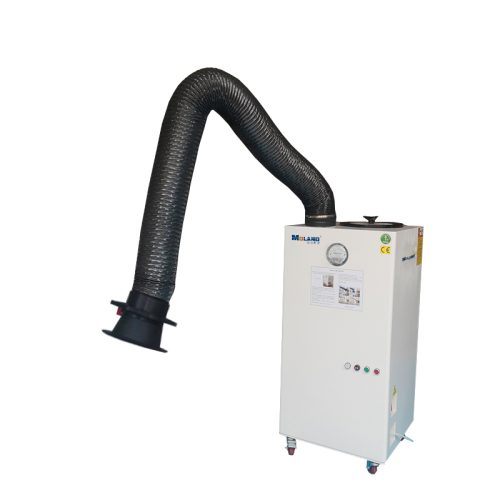
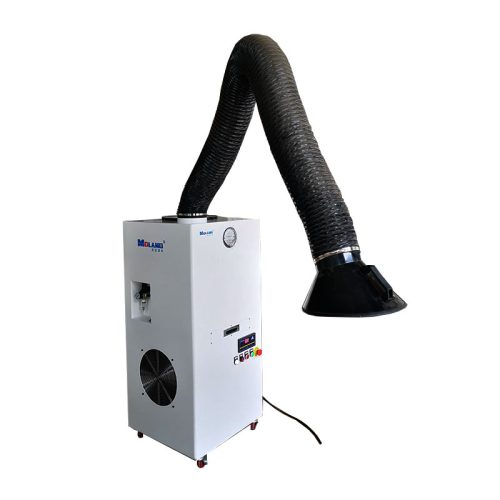
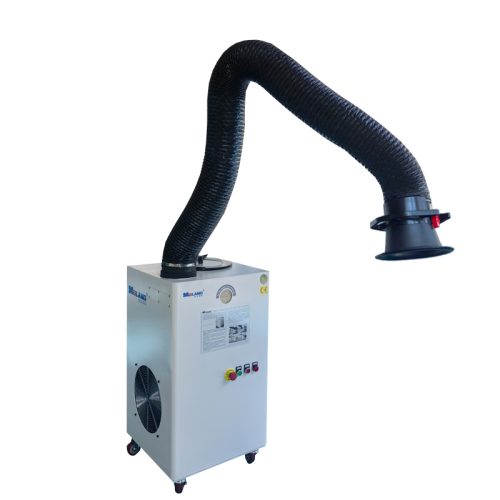
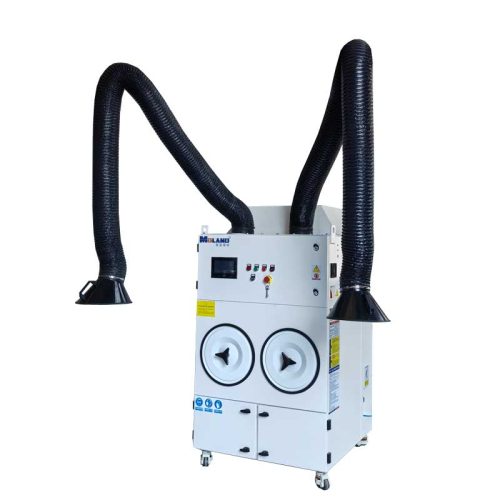
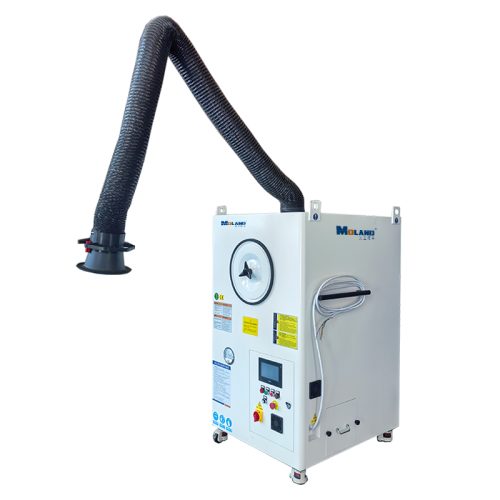
Moland designs and manufactures activated carbon exhaust gas purification systems tailored to each facility's exhaust characteristics. Specifically, key capabilities include:
How much could your facility save by switching from carbon replacement to regenerative adsorption-desorption with catalytic oxidation for your activated carbon exhaust gas purification system?