

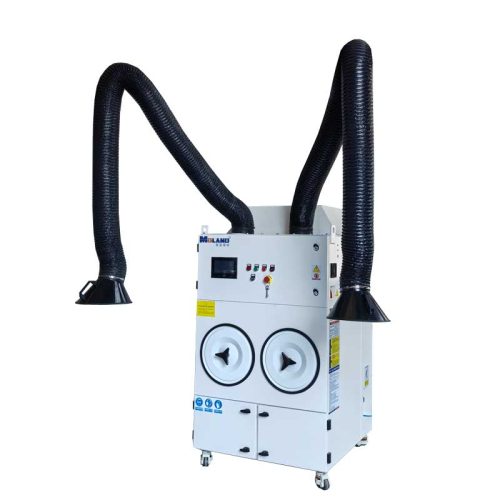
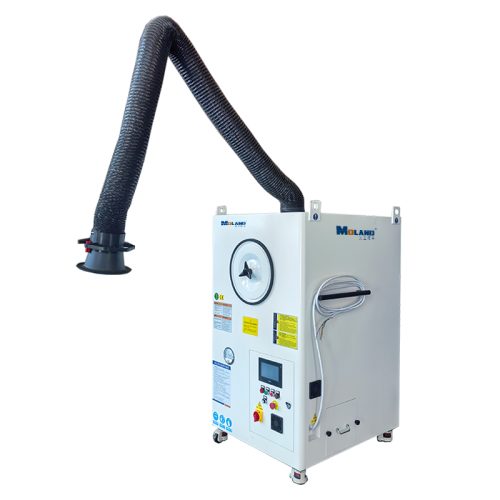
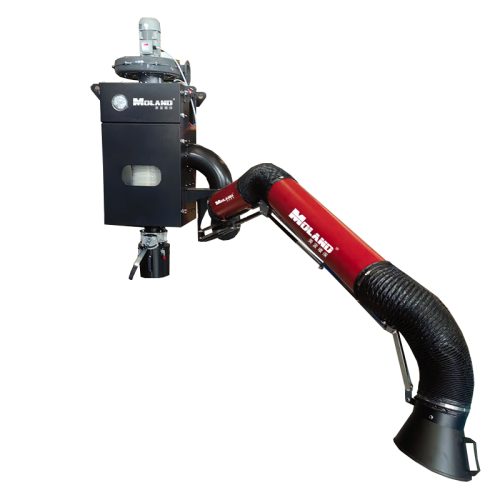
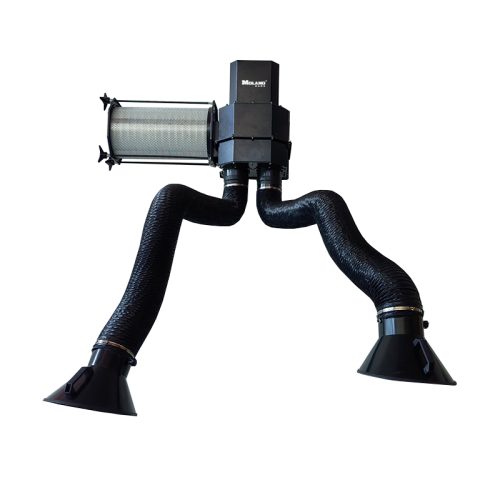


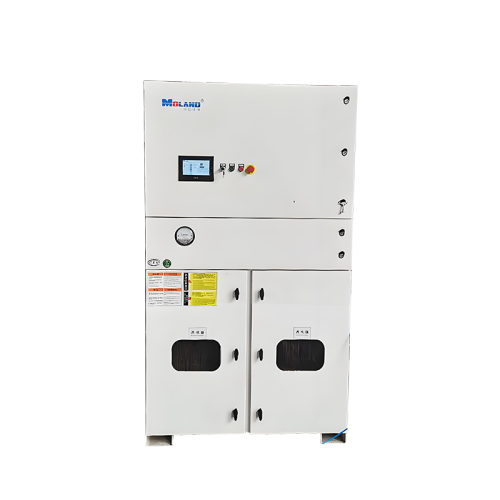

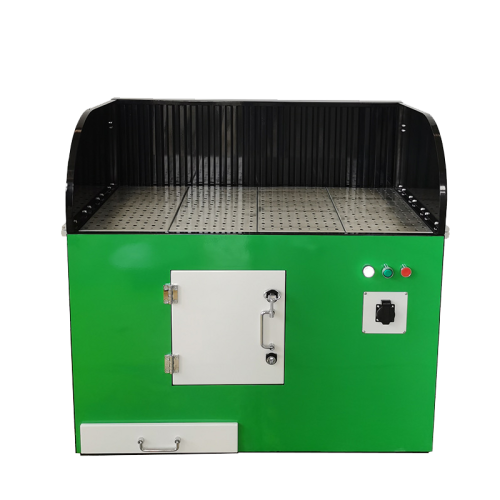
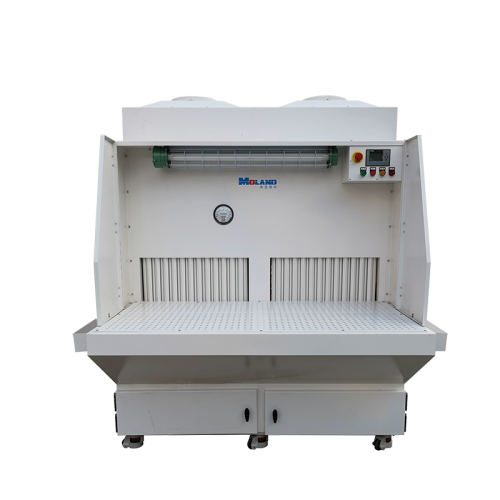
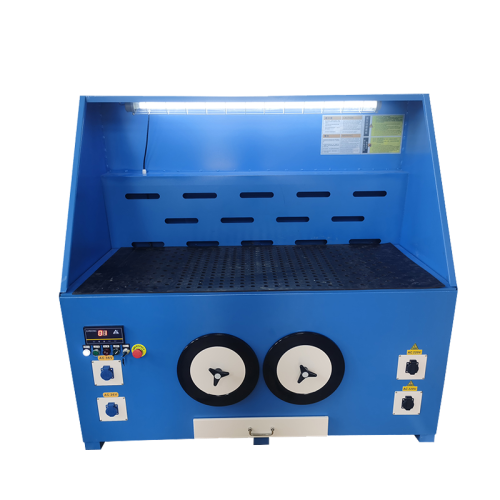
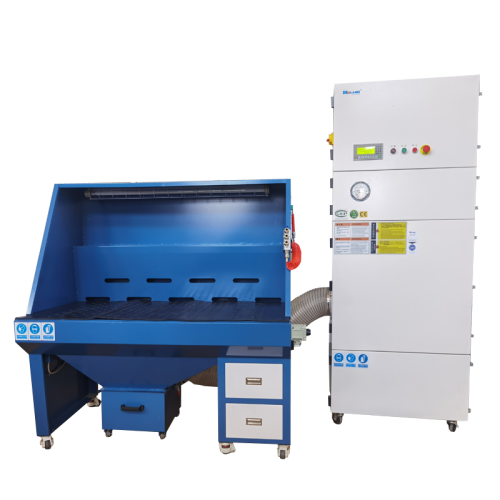
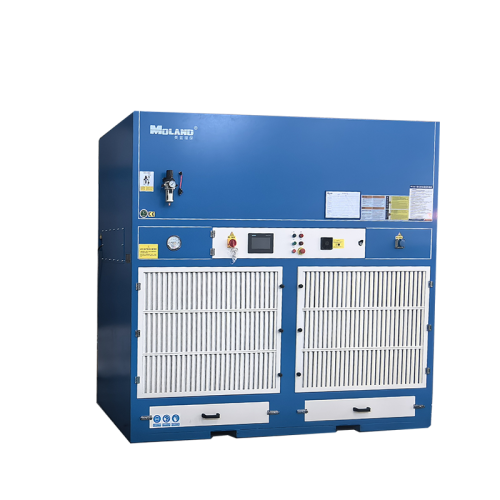
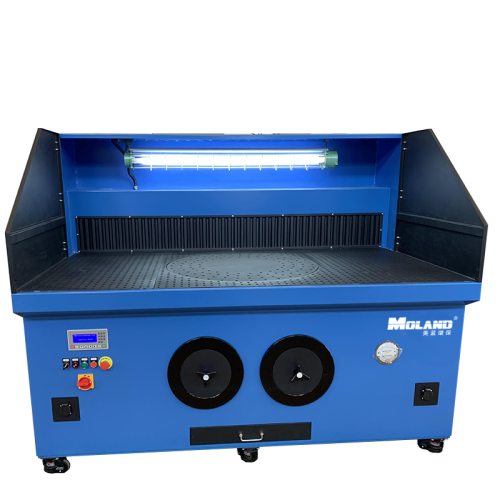

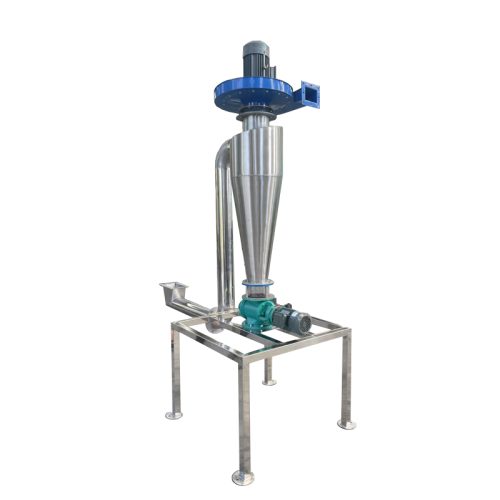
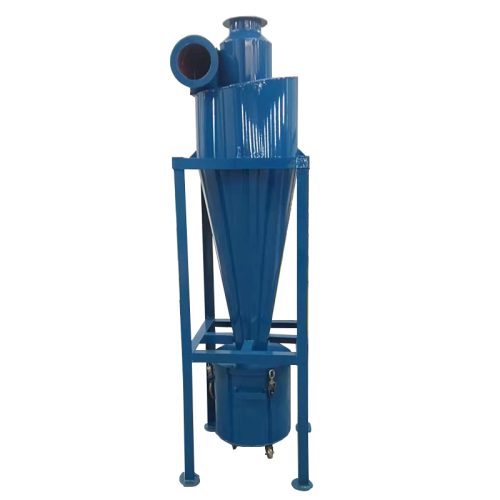

Multi-zone welding fume extraction is essential for modern manufacturing facilities that combine cutting, manual welding, and robotic welding under one roof. Different processes produce different fume volumes and dispersion patterns. Therefore, a single extraction method cannot serve all zones effectively. Anyway, Variable frequency dust collector technology solves this challenge. Furthermore, smart pressure sensors on the pipeline adjust fan speed in real time. By the way, This combination delivers targeted fume capture while cutting energy consumption significantly. In this project, we deployed three distinct collection strategies — suction hoods, flexible suction arms, and suction hoses — across three work zones. Consequently, each zone received a welding fume extraction method matched to its specific process.
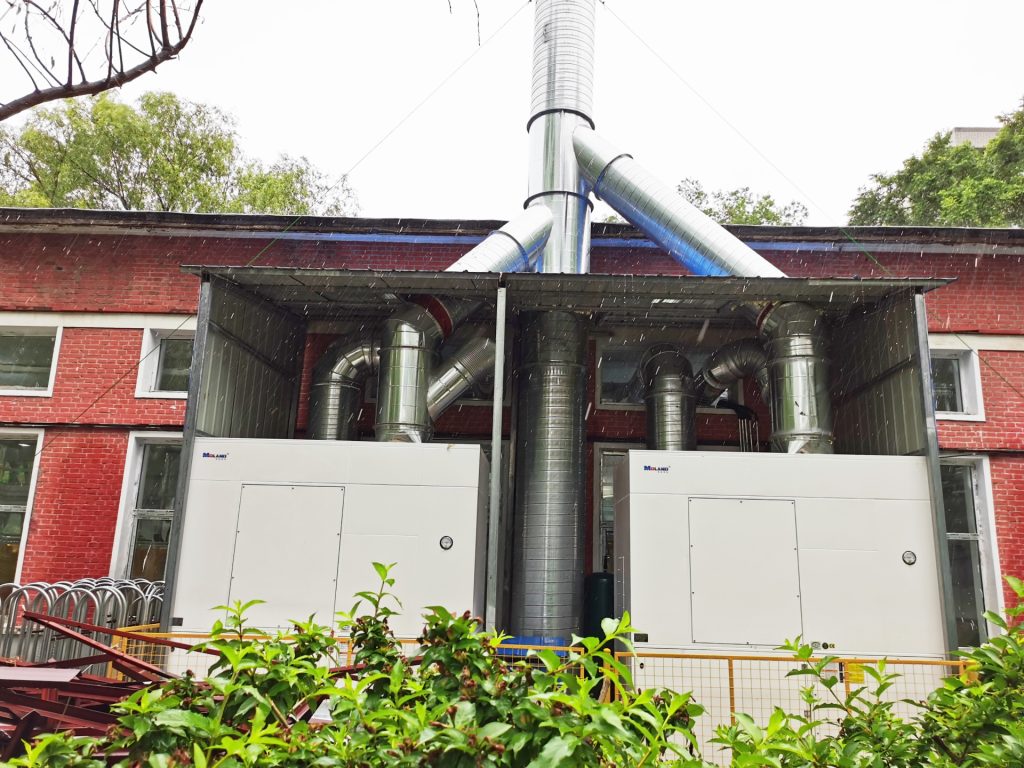
The entire system is powered by a Siemens Beide variable frequency motor. This motor delivers reliable performance and precise speed control. Moreover, a wind pressure sensor installed on the main pipeline continuously monitors internal duct pressure. When fume generation increases — for instance, when multiple stations operate simultaneously .So, the sensor detects the pressure drop and signals the fan to increase speed. Conversely, when fewer stations are active. And the fan slows down automatically. This on-demand adjustment dramatically reduces energy waste. Indeed, traditional fixed-speed fans run at full power regardless of actual demand. Specifically, The variable frequency approach, however, consumes only the power needed at any given moment.
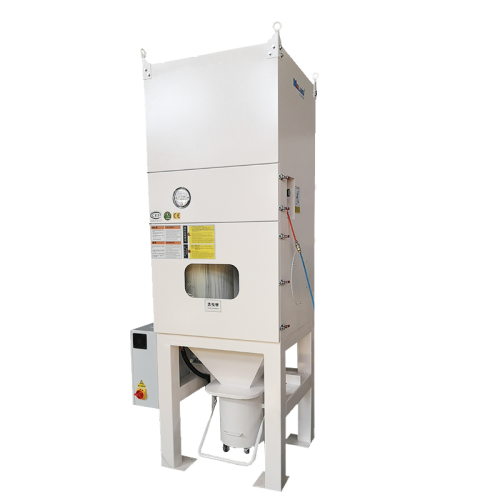
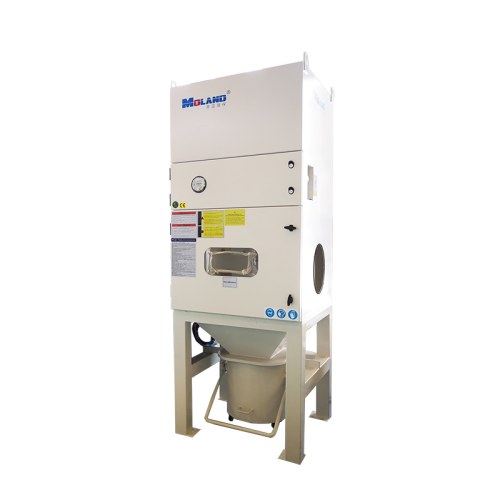
Zone 2 houses one cutting station and one welding station. We selected a 3 kW dust collection unit delivering 3,000–3,500 m³/h of airflow. The collection method: suction hoods mounted directly above the work area. Suction hoods offer two critical advantages for this application. First, they achieve a high capture rate because the hood encloses the fume source closely. Second, their sealed design prevents smoke from escaping into the workshop. Therefore, even when the cutting station generates intense sparks and fumes, the hood contains them effectively. Meanwhile, the welding station benefits equally from the enclosed capture zone.
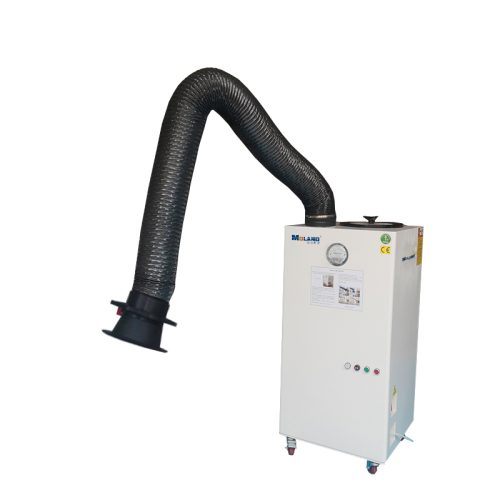
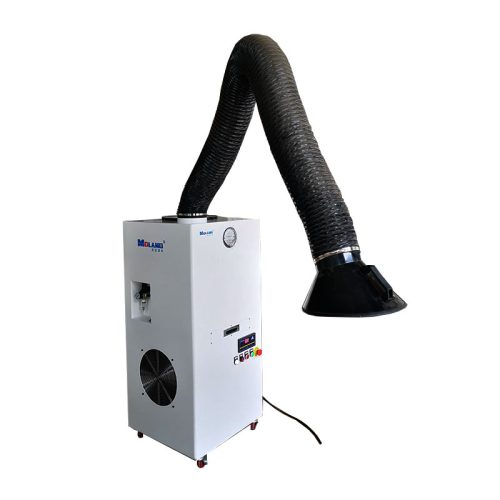
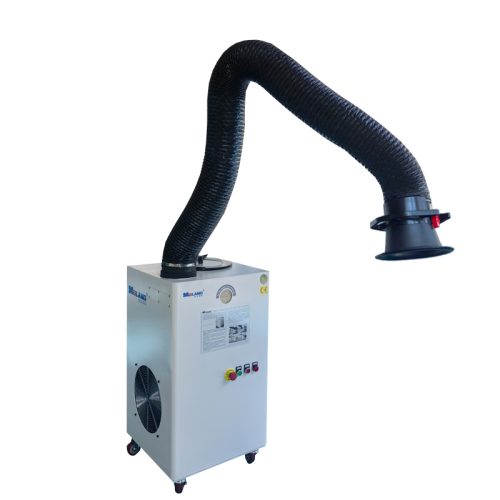
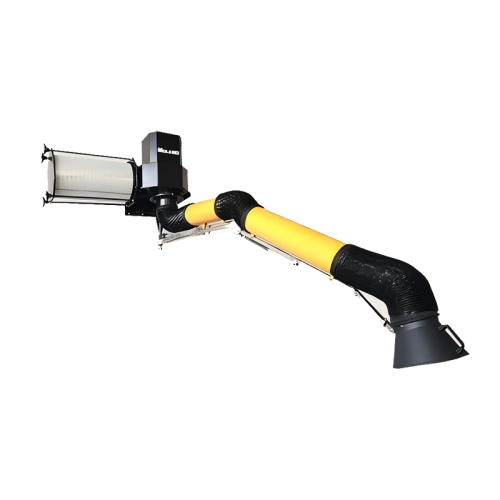
Zone 3 contains two manual welding stations. Here, operators move around their workpieces freely. Fixed hoods would restrict their movement and reduce productivity. Instead, we deployed flexible suction arms. Each arm can be positioned precisely over the welding point. Furthermore, operators can reposition the arm with one hand as they shift between welds. Thus, This flexibility is critical for manual welding, where the fume source moves constantly. The same 3 kW dust collection unit with 3,000–3,500 m³/h airflow serves both stations. In addition, the suction arms fold away neatly when not in use, keeping the workspace clear.
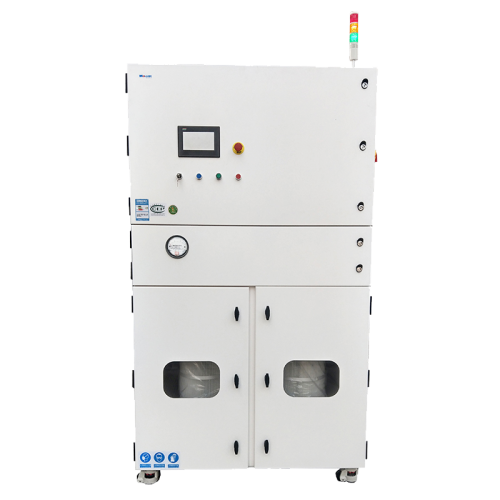
Zone 4 features two sets of welding robots, with one set containing two robotic arms. Robotic welding runs continuously at high output. However, the fume source is relatively fixed in position. Therefore, suction hoses connected directly to the welding torch area provide the most efficient capture. Indeed, We selected a 1.5 kW high-negative-pressure dust collection unit with a variable airflow range of 0–1,000 m³/h. After all, the fan uses DC brushless variable frequency technology, allowing precise airflow adjustment. Moreover, suction hoses are lightweight and flexible. They do not interfere with robot movement or programming paths. Consequently, fume extraction integrates seamlessly into the automated workflow.
表格
| Parameter | Zone 2 | Zone 3 | Zone 4 |
|---|---|---|---|
| Process type | Cutting + Manual welding | Manual welding (×2) | Robotic welding (2 sets) |
| Dust collector power | 3 kW | 3 kW | 1.5 kW (high negative pressure) |
| Airflow range | 3,000–3,500 m³/h | 3,000–3,500 m³/h | 0–1,000 m³/h (adjustable) |
| Collection method | Suction hoods | Flexible suction arms | Suction hoses |
| Motor type | Siemens Beide VF motor | Siemens Beide VF motor | DC brushless VF fan |
| Key advantage | High capture rate, sealed containment | Flexible positioning | Compact, no robot interference |
First, each zone uses the collection method best suited to its process. Suction hoods seal in fumes from cutting. Suction arms follow manual welders. Suction hoses serve robots without blocking their paths. Second, variable frequency technology with pressure sensing cuts energy costs. The fan runs only as hard as needed. Specifically, when a single zone operates, power consumption drops proportionally. Third, the system scales naturally. Adding or removing stations requires only adjusting the pressure sensor threshold — no major redesign needed. Furthermore, the Siemens Beide motor ensures long-term reliability with minimal maintenance.
This project demonstrates a clear principle: effective welding fume extraction demands zone-specific design. Meanwhile, one collection method cannot serve cutting stations, manual welders, and robots equally well. However, by matching each zone with the right extraction method — suction hoods, arms, or hoses — and powering the system with variable frequency technology, so, the facility achieves both clean air and low energy costs. In conclusion, Smart pressure control makes the difference between a system that runs and a system that runs efficiently.
In conclusion, Need a welding fume extraction system tailored to your multi-zone workshop? Contact our engineering team for a free site assessment and custom solution.