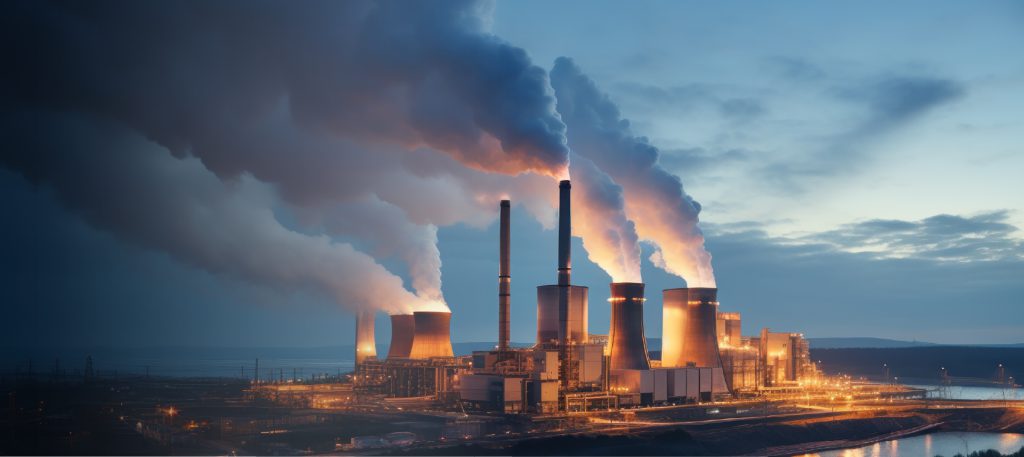


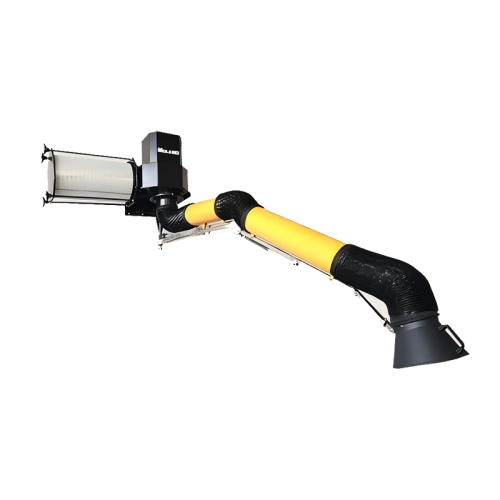


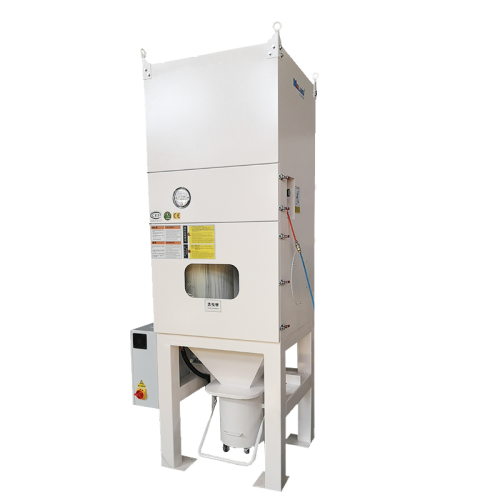
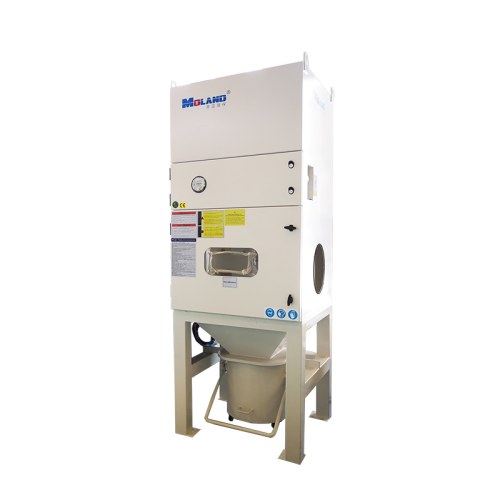
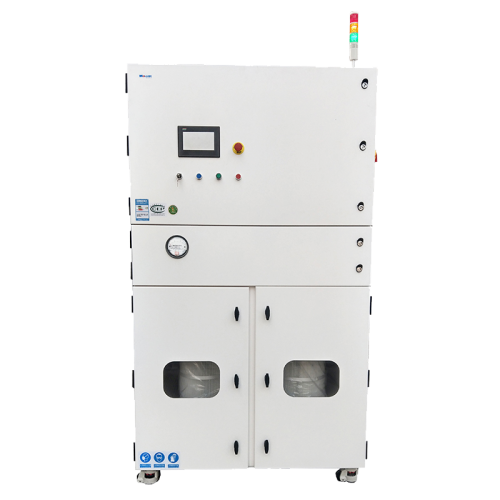



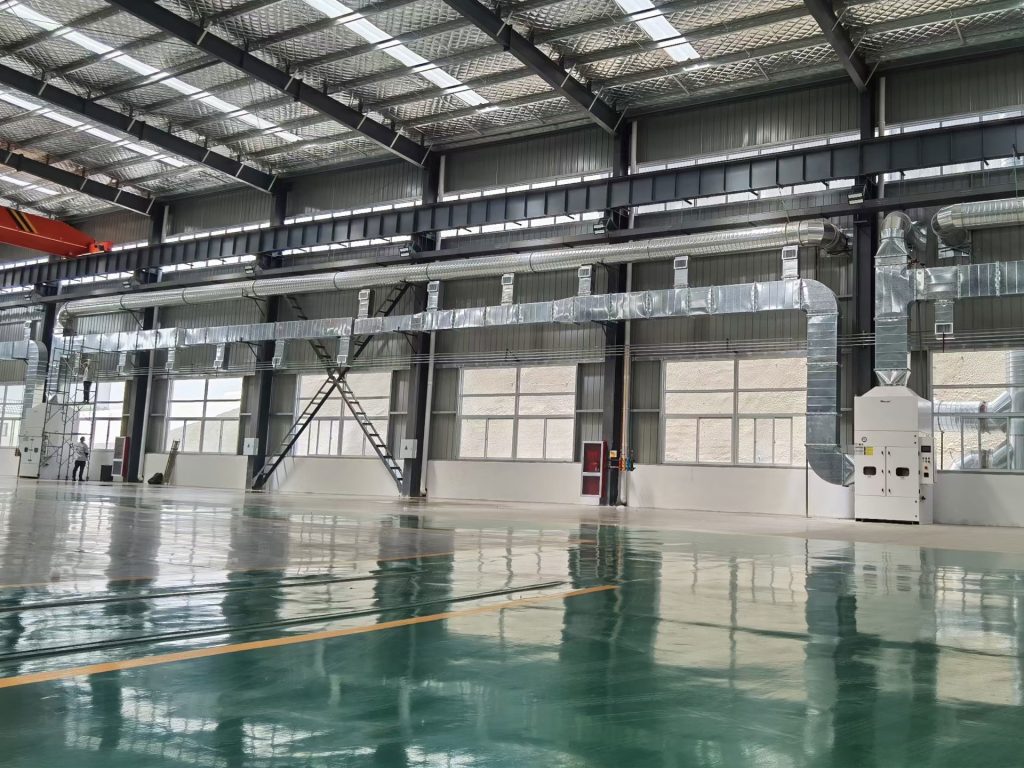
Tall workshop dust collection presents unique challenges that conventional systems cannot solve. Specifically, these high-bay welding ventilation facilities feature ceiling heights of 10 meters or more and internal volumes exceeding 5000 cubic meters. Therefore, welding fumes do not disperse uniformly. Instead, they form concentration layers at specific heights based on temperature-driven air density gradients. Moreover, heavy cranes and large workpieces restrict where extraction hoods and supply vents can be installed. Consequently, conventional source-capture systems leave significant dead zones in the breathing area.
Furthermore, welding positions in these workshops change frequently. Specifically, massive workpieces require repositioning of fixtures and equipment. Therefore, fixed-point extraction becomes impractical — every time the layout shifts, the capture system becomes misaligned. As a result, facility managers need a blow-suction fume extraction system that adapts to changing conditions without manual reconfiguration.
The blow-suction dust collection system was developed specifically for these tall-space environments. Rather than chasing fumes at the source, it captures pollutants at their natural concentration height. Therefore, it remains effective regardless of workpiece size or welding position changes.
Keywords: tall workshop dust collection, blow-suction fume extraction system, high-bay welding ventilation, stratified air cleaning for welding, indoor circulation dust collector
In workshops with ceilings above 10 meters, warm air rises while cooler air sinks. Therefore, temperature, relative humidity, and pollutant concentrations form distinct vertical layers. Specifically, welding fumes initially rise with the thermal plume but eventually stall at a concentration height between 4 and 7 meters. Moreover, this layering height varies with welding intensity and ambient temperature. Consequently, placing extraction at ceiling level captures only a fraction of the total fume load.
Meanwhile, workers breathe at ground level, where fume concentrations may appear lower. However, convection currents and workshop activities constantly redistribute pollutants. Therefore, local air quality fluctuates unpredictably. As a result, relying on ceiling-mounted extraction alone leaves the occupied zone inadequately protected.
Tall welding workshops house overhead cranes, large fixtures, and oversized workpieces. Therefore, ductwork and extraction arms face severe spatial constraints. Moreover, crane rails and structural beams block the most direct paths for fume capture. Consequently, engineers must compromise on hood placement, which reduces capture efficiency.
In addition, welding positions shift as different products move through the workshop. Specifically, jigs and fixtures relocate to accommodate varying workpiece geometries. Therefore, a fixed extraction system designed for one layout becomes obsolete when the production line changes. Furthermore, enclosing individual stations is impractical when workpieces span several meters. As a result, traditional source-capture approaches fundamentally cannot adapt to these dynamic conditions.
The blow-suction system takes a fundamentally different approach from source capture. Specifically, it targets the height where welding fumes naturally accumulate — typically between 4 and 7 meters above floor level. Moreover, the return air outlets are installed precisely at this stratification zone. Therefore, the system intercepts pollutants at their densest concentration point rather than chasing them at the source.
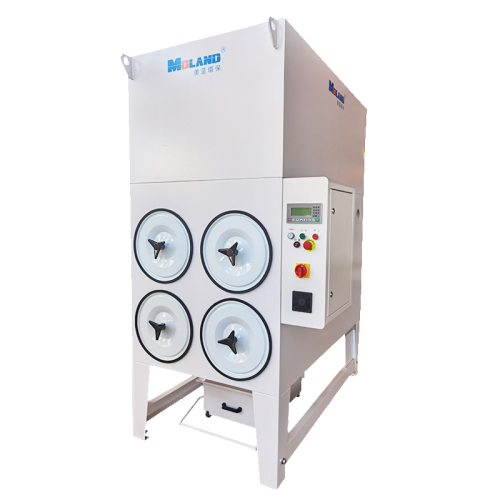
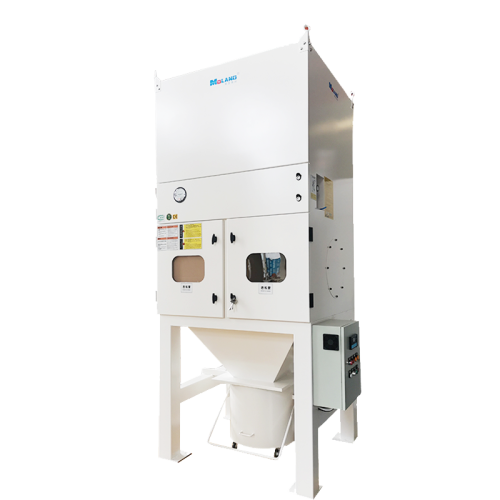
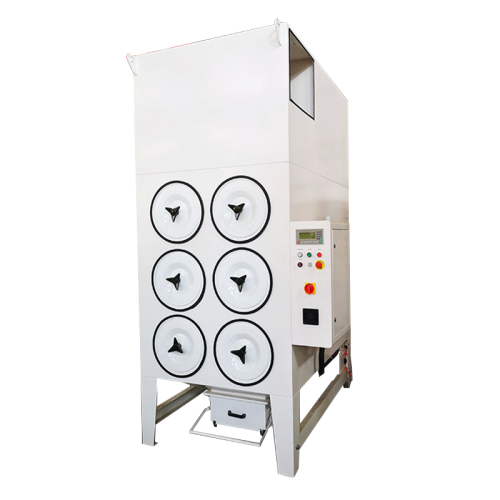
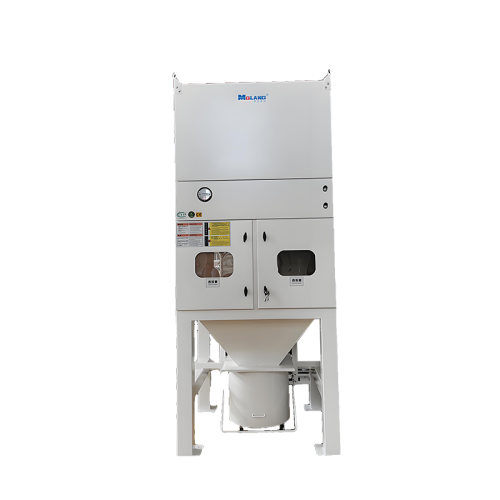
Once captured, the contaminated air passes through a high-efficiency filtration unit. Specifically, PTFE membrane filter cartridges achieve 99.97% efficiency on particles down to 0.3 micrometers. Consequently, the filtered air meets indoor recirculation standards. Furthermore, the clean air is then delivered back into the workshop through supply outlets at the same height. Therefore, a continuous circulation loop forms within the occupied zone — extracting polluted air and returning clean air at the same stratified level.
Two blow-suction units work together to form a complete purification system. Specifically, one unit handles the extraction and filtration cycle while the other creates directional airflow across the workshop. Moreover, this coordinated push-pull pattern sweeps fumes toward the return air intakes efficiently. Consequently, the system achieves full-coverage air purification with approximately half the air volume required by traditional mixed ventilation.
In addition, this reduction in required airflow translates directly to energy savings. Specifically, fan power consumption follows the cube law — halving the air volume reduces energy use by approximately 87.5%. Furthermore, because filtered air recirculates indoors rather than being exhausted outside, the workshop retains its heating or cooling energy. Therefore, both electrical and thermal energy costs decrease substantially.
Traditional source-capture systems fail when workstations move or workpiece dimensions change. However, the blow-suction system operates at the room scale rather than the station scale. Specifically, it captures fumes at their natural concentration height regardless of where the welding occurs. Therefore, relocating fixtures, shifting workpieces, or adding new stations requires no system modification.
Moreover, operators experience zero interference from the extraction system. Specifically, there are no suction arms to position, no enclosures to work within, and no ducts to navigate around. Consequently, welders work exactly as they would without any dust collection equipment. As a result, productivity remains unaffected while air quality improves dramatically.
The filtration efficiency of 99.97% means that the cleaned air is safe to recirculate indoors. Therefore, the system avoids two critical problems of exhaust-based solutions. First, no polluted air is released into the atmosphere, eliminating secondary environmental contamination. Second, conditioned indoor air — whether heated or cooled — stays inside the building. Consequently, facilities avoid the significant energy penalty of replacing exhausted air with fresh outdoor air that must be heated or cooled to room temperature.
Furthermore, indoor recirculation simplifies compliance with environmental regulations. Specifically, there is no stack emission to monitor or report. Therefore, permitting and regulatory overhead decrease.
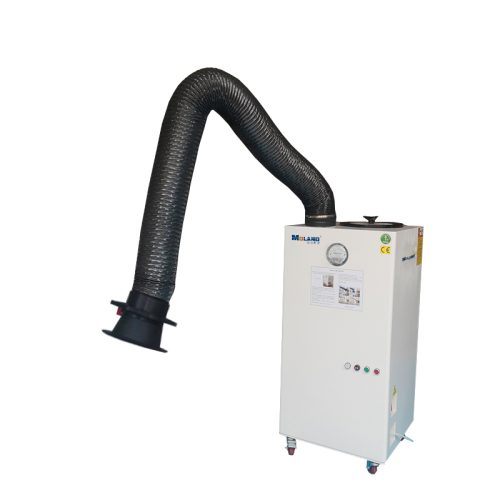
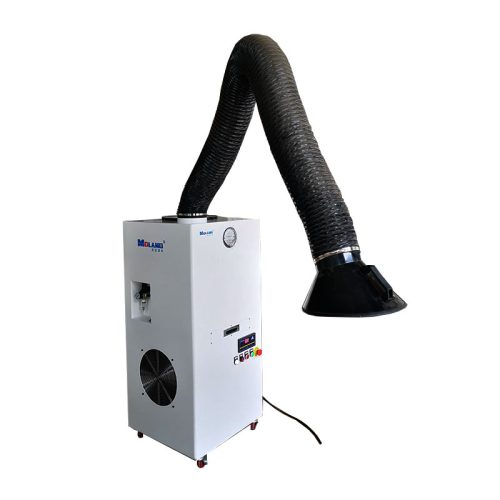
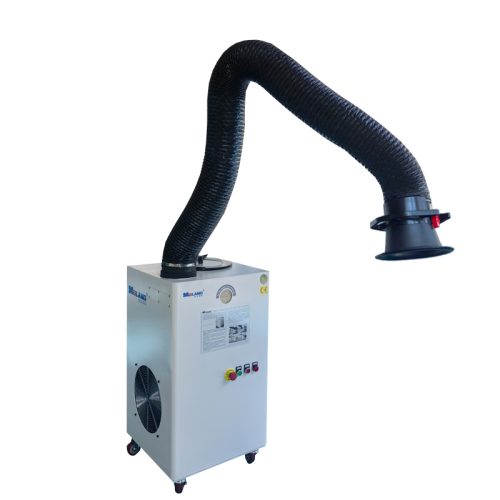
The blow-suction system integrates MOLAND intelligent control technology. Specifically, the smart system provides several operational advantages:
In addition, the MOLAND system supports remote monitoring and diagnostics. Therefore, facility managers can check system status and receive alerts from any location.
表格
| Parameter | Blow-Suction System | Conventional Mixed Ventilation |
|---|---|---|
| Required air volume | Half of conventional | Full volume needed |
| Capture approach | Stratified height interception | Source capture or ceiling extraction |
| Adaptability to layout changes | No modification needed | Ductwork redesign required |
| Operator interference | Zero | Arms, hoods, or enclosures |
| Indoor air recirculation | Yes, filtered to 99.97% | Typically exhausted outdoors |
| Energy consumption | Low (reduced airflow + recirculation) | High (full airflow + exhaust losses) |
| Environmental compliance | No stack emission | Requires emission monitoring |
Therefore, the blow-suction system delivers superior performance across every critical parameter for tall workshop applications.
Structural steel workshops produce oversized welded assemblies. Therefore, workpieces cannot be enclosed for fume capture. Moreover, welding positions shift continuously as assemblies take shape. Consequently, the blow-suction system's room-scale approach provides the only practical solution.
Ship section fabrication involves extremely tall workspaces with overhead cranes. Therefore, conventional ductwork installation is impractical. Furthermore, welding occurs at multiple elevations simultaneously. As a result, the stratified capture approach of the blow-suction system matches these conditions perfectly.
Heavy machinery fabrication produces massive workpieces that dominate the workshop floor. Therefore, there is no space for traditional extraction arms around the welding zone. However, the blow-suction system operates above the work area without occupying floor space. Consequently, it provides effective fume control without constraining production operations.
Tall welding workshops face fume control challenges that conventional dust collection systems cannot address — thermal stratification, spatial constraints, and constantly changing welding positions. Therefore, the blow-suction dust collection system offers a purpose-built solution that captures fumes at their natural concentration height, recirculates filtered air indoors to save energy, and operates without interfering with production. Furthermore, with MOLAND intelligent control and dual-unit coordination, the system delivers comprehensive air purification with half the air volume of traditional approaches.
Are you managing a high-bay welding facility where conventional dust collection falls short of maintaining clean air and energy efficiency?