







hood suction dust collection Welding fumes are a silent threat in every fabrication shop. For facilities with fixed welding stations, a hood suction dust collection system offers the most reliable and cost-effective way to capture fumes at the source. Unlike portable units that follow the worker, this system uses an overhead hood to create a stable upward airflow field that guides rising fumes directly into the filtration unit. The result? Clean air, compliant operations, and zero interference with welding tasks.
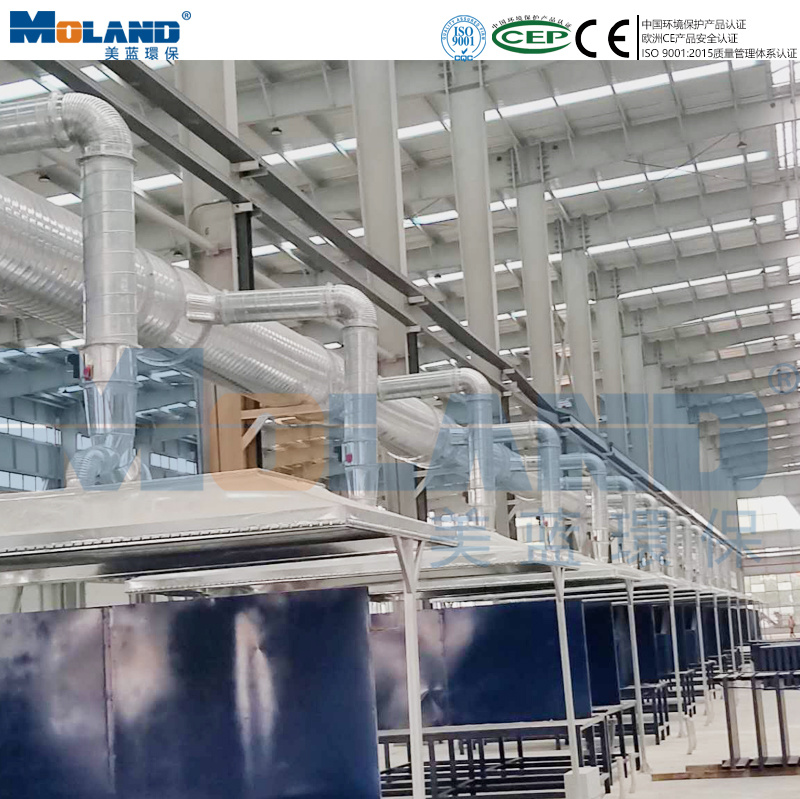
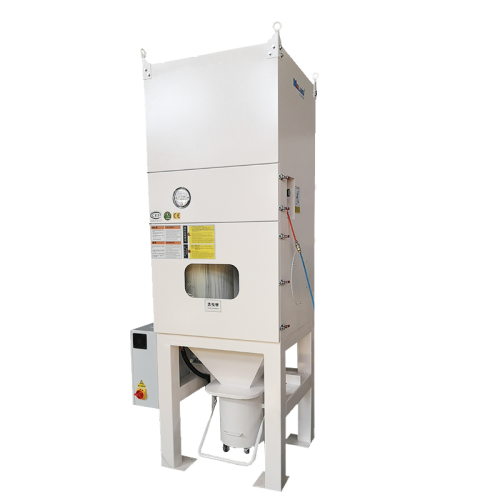
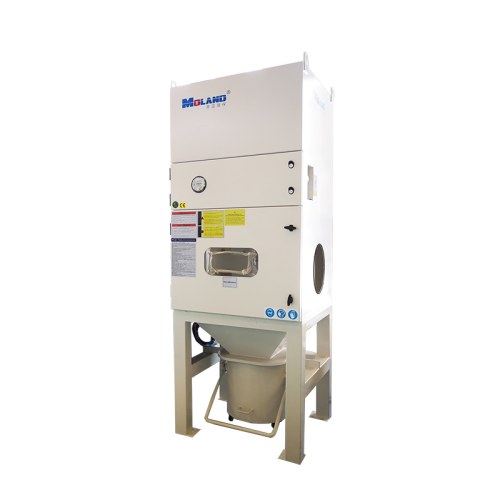
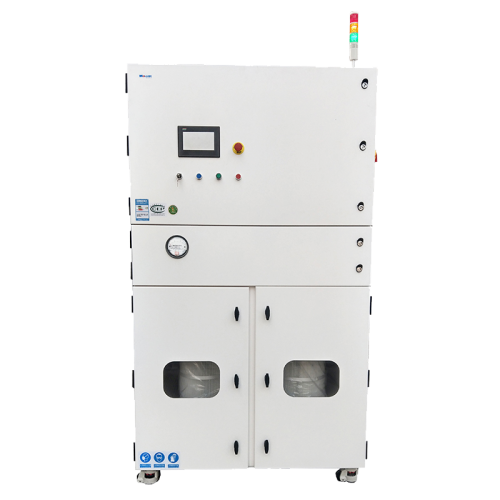
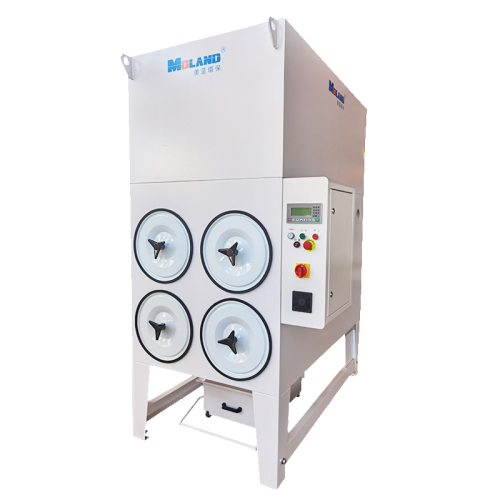
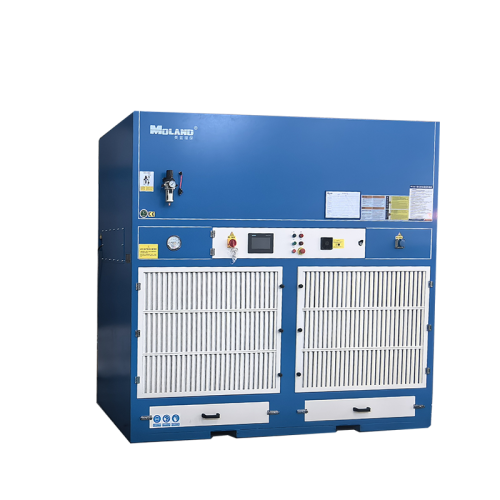
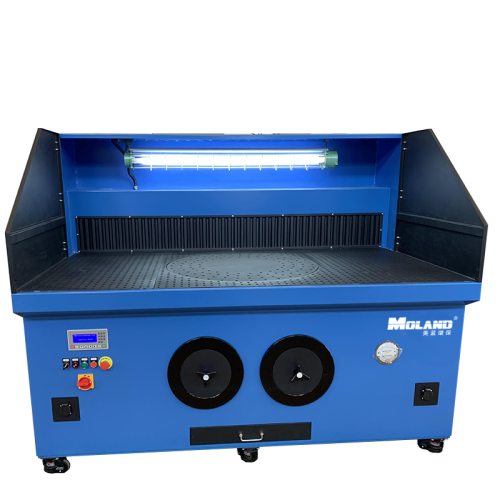
A hood suction dust collection system is a stationary fume extraction solution designed specifically for fixed-position welding. It consists of an overhead capture hood, ductwork, a central filtration unit, and an exhaust fan. The hood is mounted above the welding zone, creating a controlled airflow envelope that captures fumes as they rise.
Furthermore, this system relies on thermal buoyancy. Hot welding fumes naturally drift upward. Therefore, the hood simply guides this upward movement into the duct—no extra energy wasted on pulling fumes sideways.
The hood in a hood suction dust collection system features a quadrangular frustum shape—essentially a four-sided pyramid with the top cut off. Each face of the hood forms an angle of no less than 45 degrees with the ground.
Why is this angle critical? First, angles below 45 degrees narrow the capture zone, allowing fumes to escape along the edges. Second, the 45-degree minimum ensures the airflow field extends wide enough to cover the entire welding area. Additionally, this specific geometry prevents lateral air currents from disrupting the upward fume flow.
Consequently, welders can work freely within the hood's coverage area without worrying about fume exposure.
Welding generates intense heat. As a result, the fumes produced are significantly hotter than the surrounding air. This temperature difference creates an upward buoyant force. The hood suction system takes advantage of this natural phenomenon.
Specifically, the overhead hood creates an upward airflow field that induces the thermally buoyant fumes to rise in a controlled column. Once inside the hood, fumes travel through ductwork to the central filtration unit. The process requires minimal fan energy because the fumes want to rise anyway.
Meanwhile, the system maintains consistent capture performance regardless of minor changes in welding position within the covered zone.
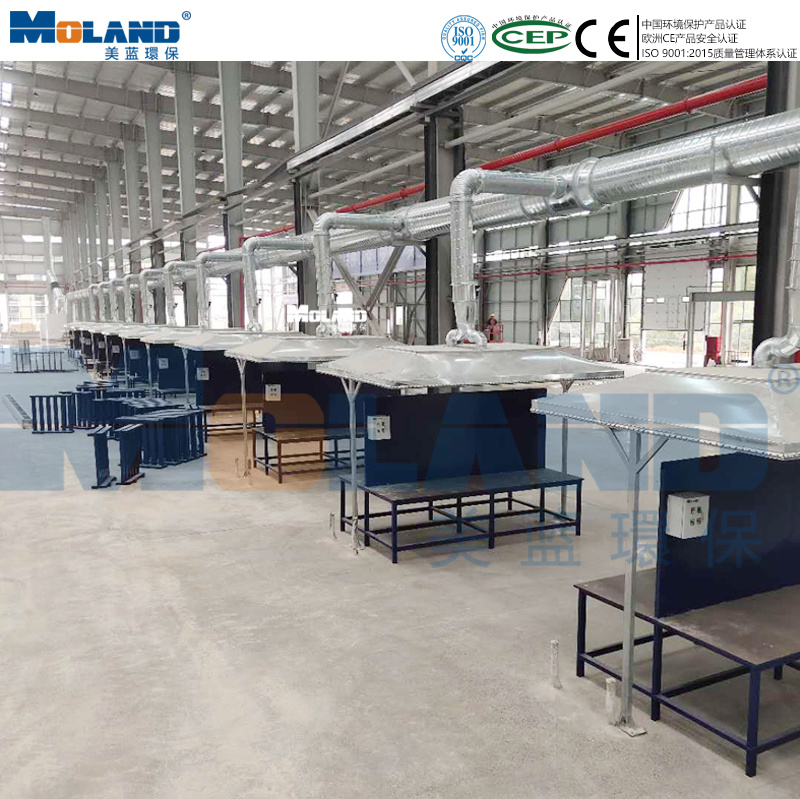
A hood suction dust collection system delivers consistent fume capture because the hood position never changes. Unlike articulated arms that depend on manual positioning, the overhead hood covers the entire work zone permanently.
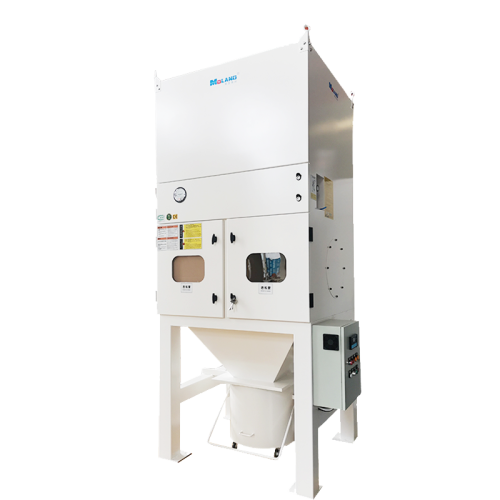
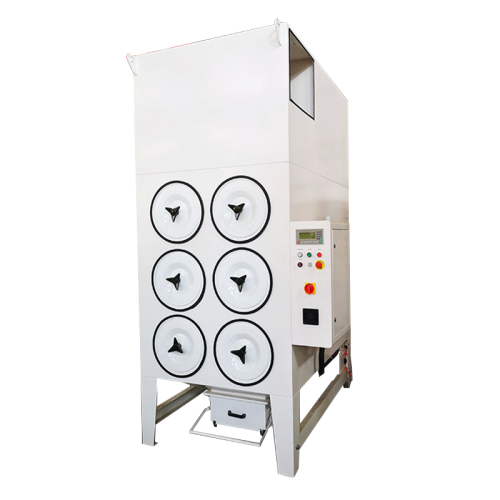
Moreover, PTFE membrane filter cartridges achieve filtration efficiency of 99.97% or higher at 0.3 microns. This means virtually all hazardous welding particulates are removed before air is recirculated or exhausted.
Welders often complain that suction arms get in their way. However, with an overhead hood system, there are no floor-level obstructions. Workers move freely within the capture zone. They can rotate, reposition their workpiece, and adjust their posture—all while staying fully protected.
Furthermore, the absence of hoses and arms on the shop floor reduces trip hazards and improves overall safety.
Since the system leverages natural thermal buoyancy, it requires less fan power compared to source-capture alternatives. The filter cartridges, when equipped with automatic pulse cleaning, last 3 to 5 years under normal operation. Therefore, maintenance costs remain predictable and low.
In addition, the fixed infrastructure means fewer moving parts to replace, which translates to lower lifetime ownership costs.
Not every workshop needs the same solution. A hood suction dust collection system is ideal when:
Conversely, if your welders move between stations frequently, a mobile fume extractor may be more appropriate. However, for high-volume fixed-position production, nothing beats the reliability of an overhead hood system.
Proper installation determines system performance. First, the hood must be positioned directly above the welding zone at an optimal height—typically 1.5 to 2.5 meters above the work surface. Second, ductwork should be as short and straight as possible to minimize pressure drop. Third, the fan and filtration unit must be sized correctly for the total airflow requirement.
Additionally, each hood face angle must meet or exceed 45 degrees to guarantee full coverage. Deviating from this specification compromises capture efficiency and allows fume escape.
Yes. A single central filtration unit can serve multiple hoods through a branched duct network. However, each hood must be properly balanced to ensure equal airflow distribution.
Mobile units offer flexibility for roaming welders. In contrast, hood suction systems provide superior, hands-free capture for fixed stations. The choice depends on your workflow.
Filter cartridges need periodic replacement every 3 to 5 years. Meanwhile, automatic pulse cleaning handles day-to-day dust removal from filter surfaces. Annual inspection of ductwork and fan is also recommended.
Ready to upgrade your workshop air quality with a reliable hood suction dust collection system? Contact our team today for a free consultation—what could cleaner air mean for your team's productivity?