






Welding operations generate large amounts of metal fumes, harmful gases and other occupational hazards. These pollutants not only contaminate the workshop environment but also seriously threaten the health of operators, easily causing occupational diseases such as welder’s lung and manganese poisoning. Shenyang Welding Training School focuses on optimizing the practical training environment and protecting the occupational health of teachers and students. Based on the workstation characteristics and welding types of different work areas, the school adopted a customized, precise and high-efficiency dust removal solution. This system captures fumes at the source, ensures emissions meet regulatory standards. Below is the detailed on-site implementation plan.
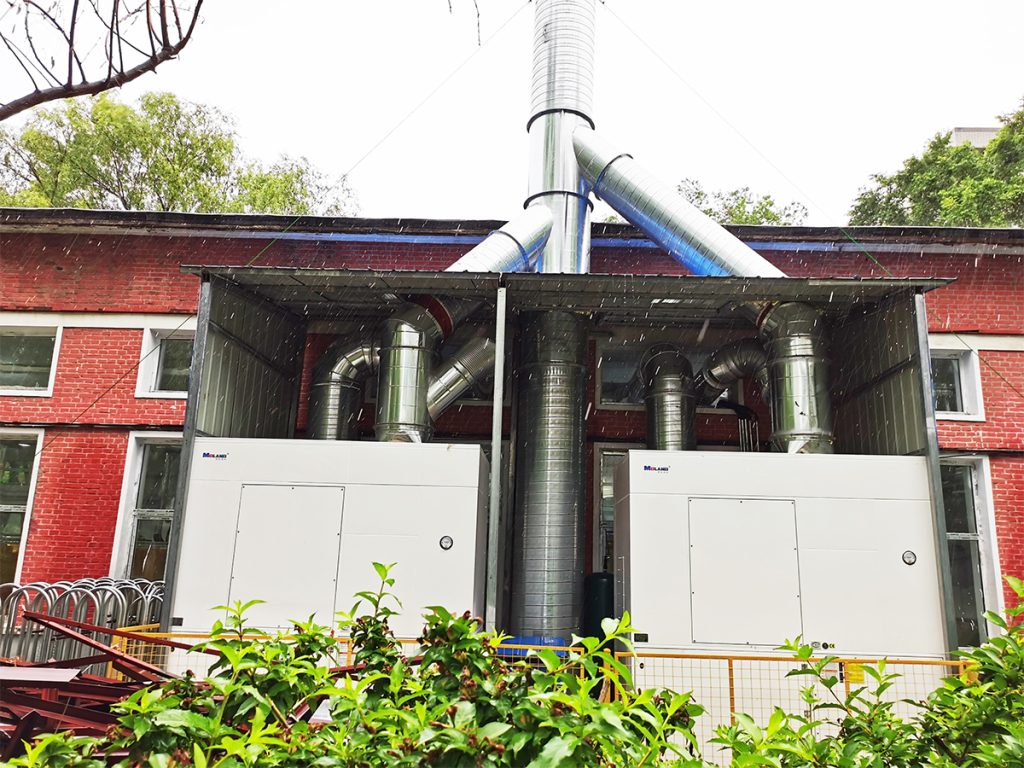
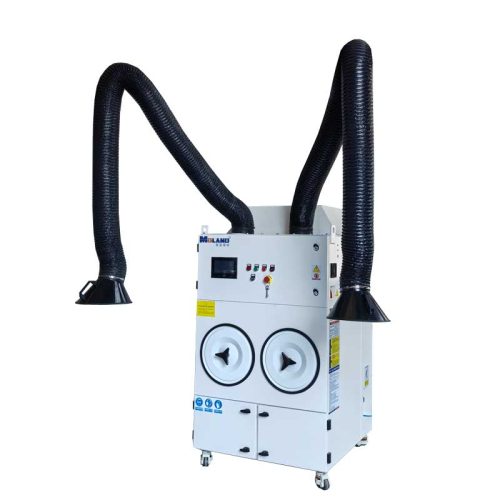
As the core manual welding training area, Workstation 1 has 20 manual welding stations. This area is not only high training intensity not only concentrated fume production.
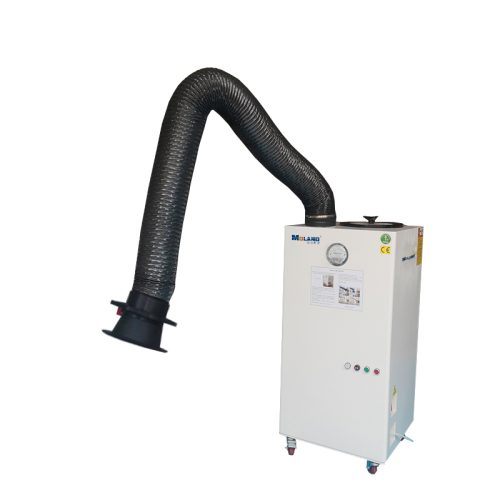
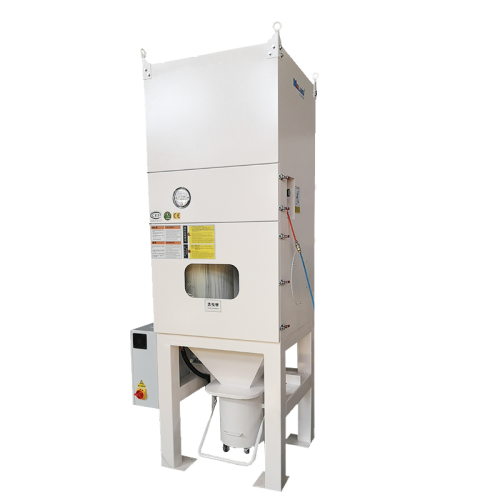
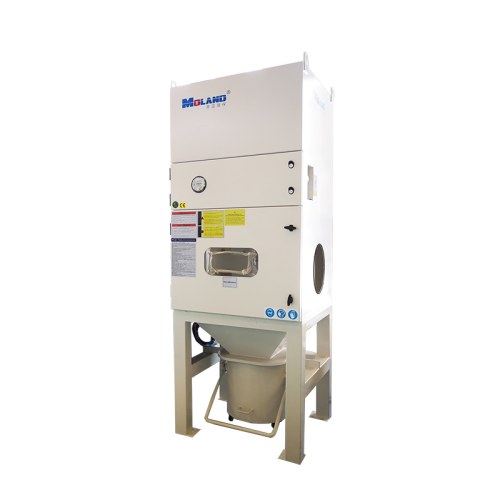
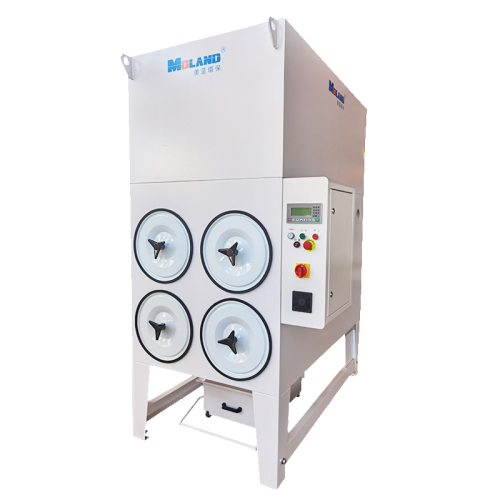
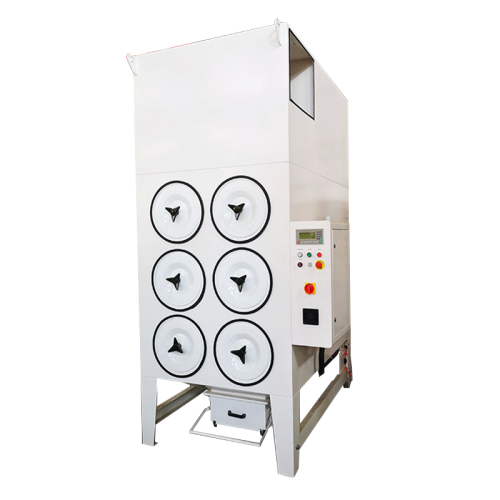
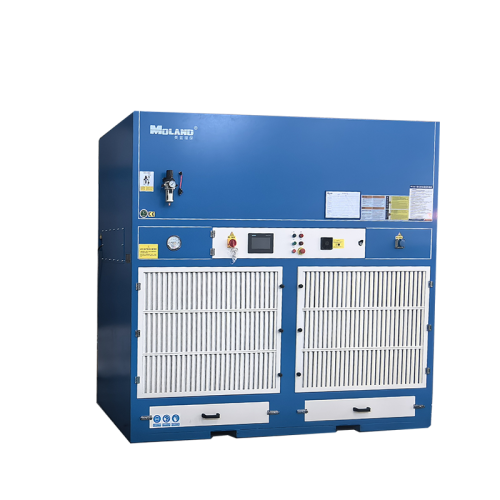
To ensure effective dust removal at each station, we installed two 11kW картриджный пылесборник. Each dust collector with an air handling capacity of 9,000–12,000 m³/h, and each fume extractor cover 10 welding stations.
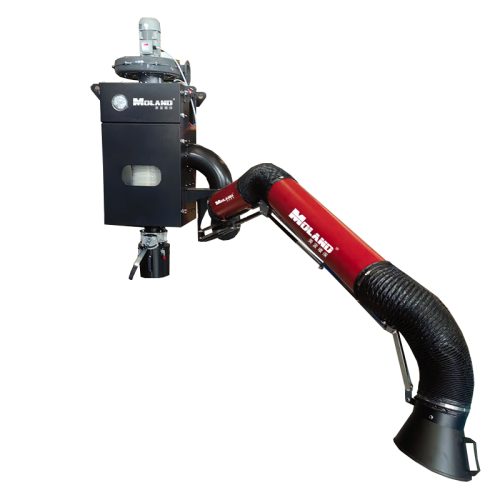
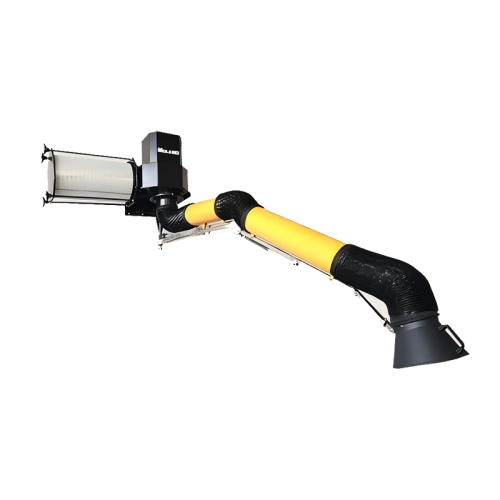
Each station equips with a flexible fume extraction arm that rotates 360°, allowing precise alignment with welding points. The arm is not only easy to operate but also delivers excellent fume collection efficiency. And it can quickly capture fumes before they spread.
In addition, each main unit uses a SIEMENS BEIDE variable-frequency motor, and the pipeline is fitted with a wind pressure sensor. The system automatically adjusts fan power according to real-time pipeline pressure. Therefore, this solution not only eliminates unnecessary energy consumption, but also embody an energy-saving and eco-friendly design. Compared with traditional fixed-frequency models, this setup cuts operating costs significantly.
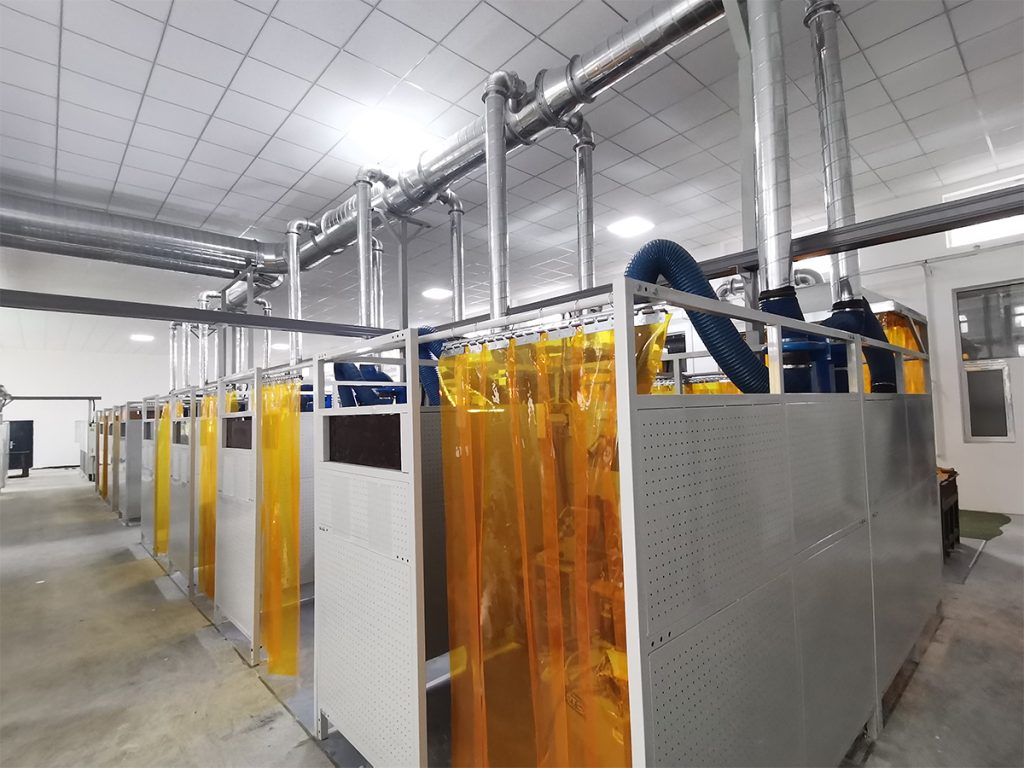
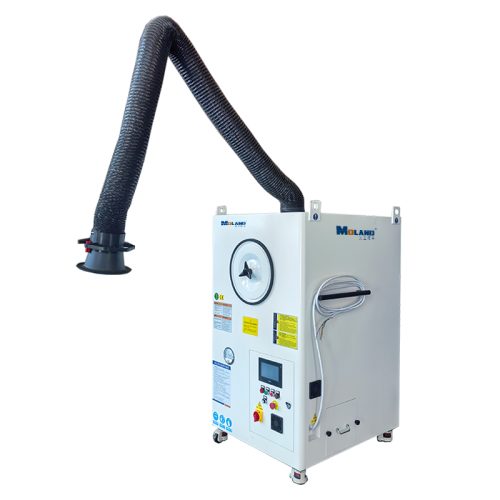
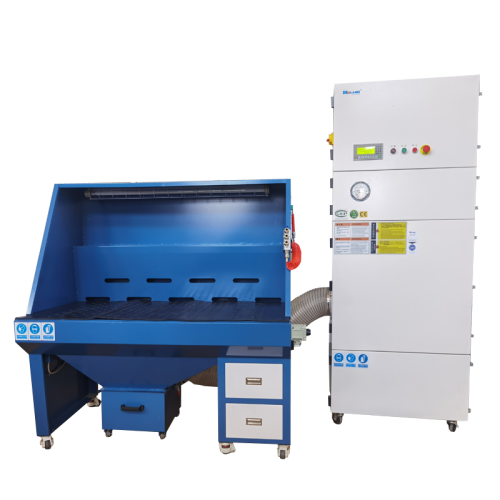
Work area 2 includes one cutting station and one welding station, where cutting and welding operations overlap, producing high-concentration fumes that spread easily.
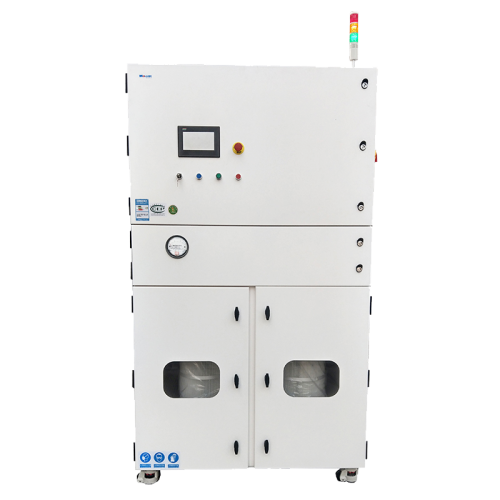
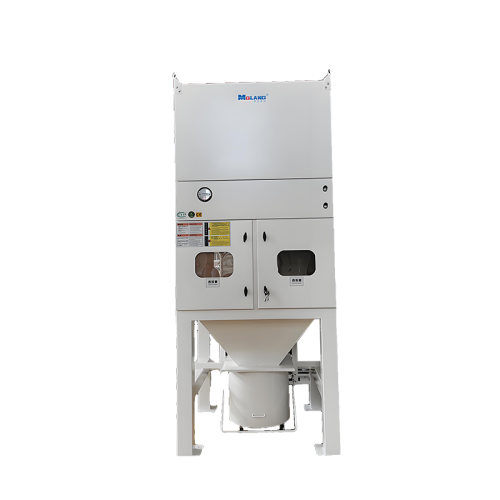
We configured one 3kW dust collector with an air volume of 3,000–3,500 m³/h, using a sealed fume hood collection system. This design provides strong sealing and high collection efficiency. This solution can effectively prevente fume and harmful gas leakage into the training area and creating a clean working environment for teachers and students.
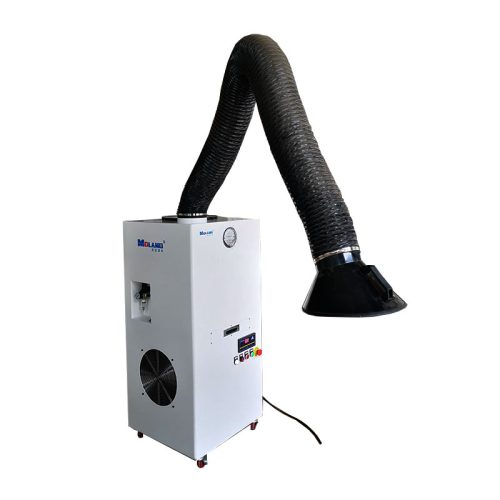
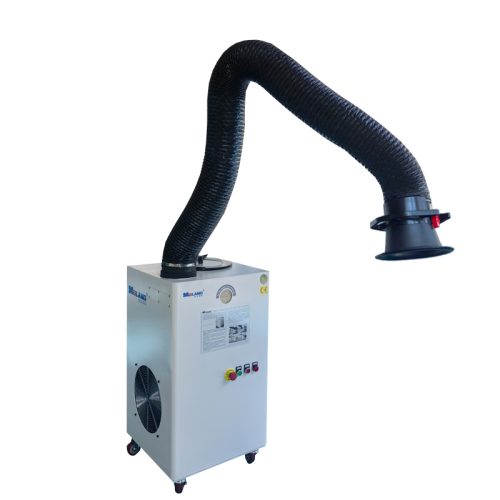
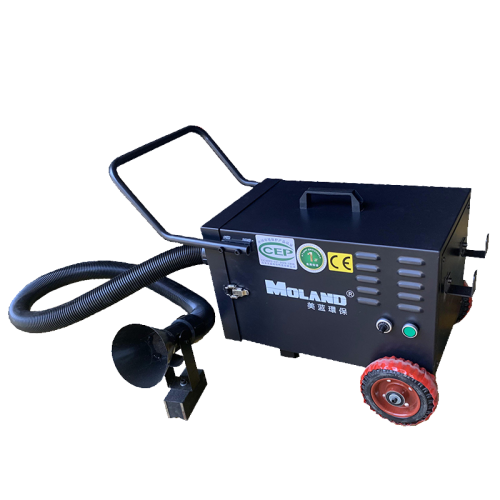
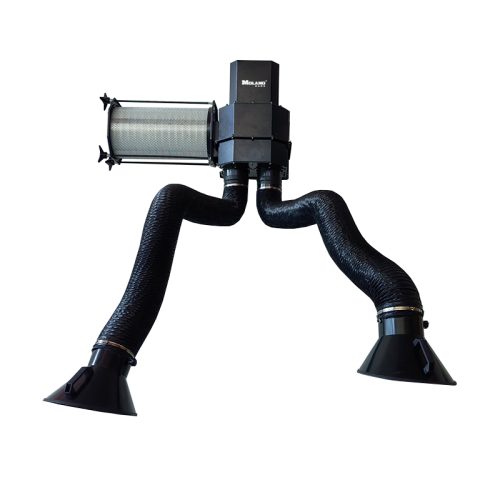
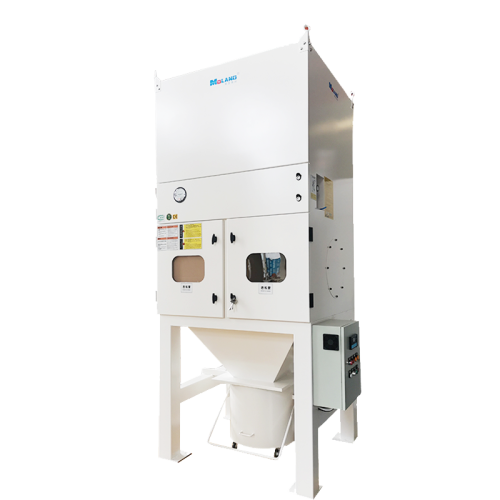
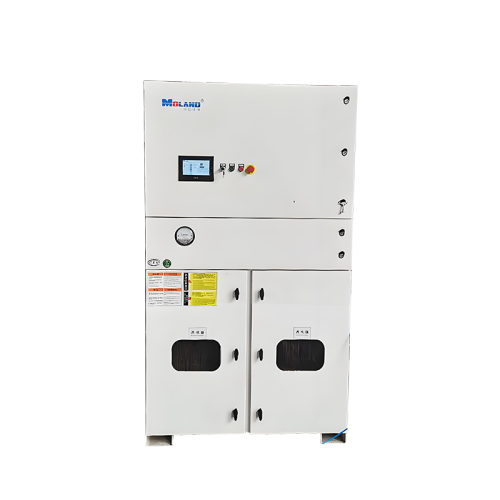
Work area 3 has two manual welding stations with moderate training scale. We installed one 3kW mobile dust collector with an air volume of 3,000–3,500 m³/h, paired with universal fume extraction arms.
The system flexibly adapts to the operating range of manual welding without interfering with students’ training. It maintains strong fume collection performance while balancing practicality and convenience.
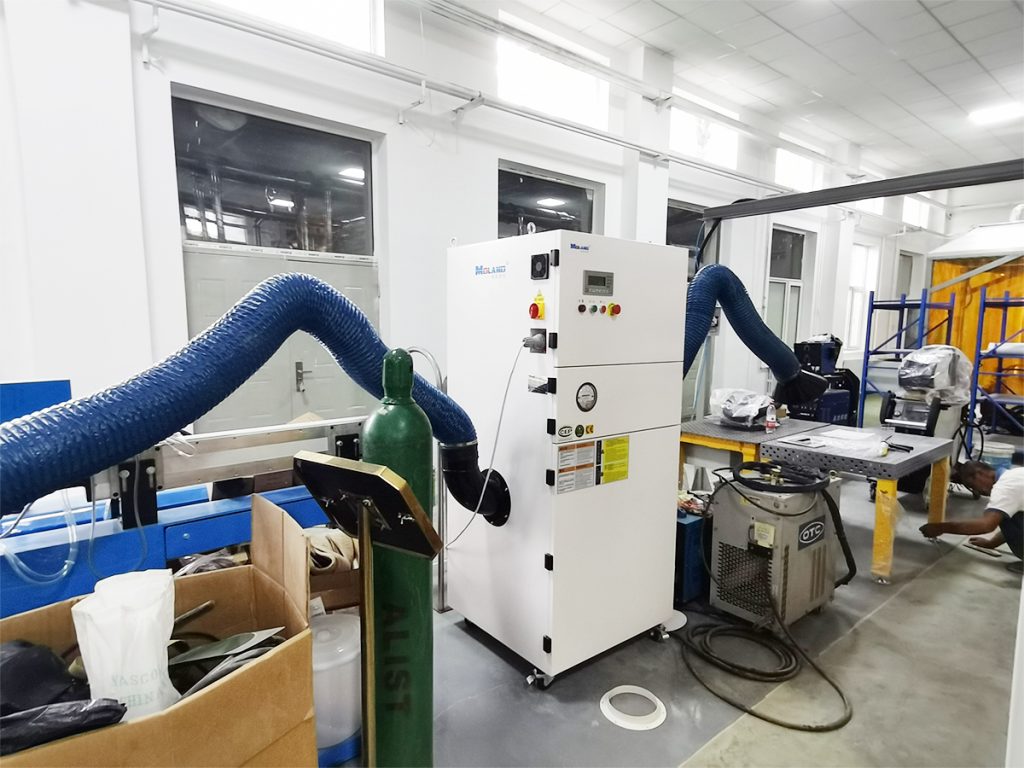
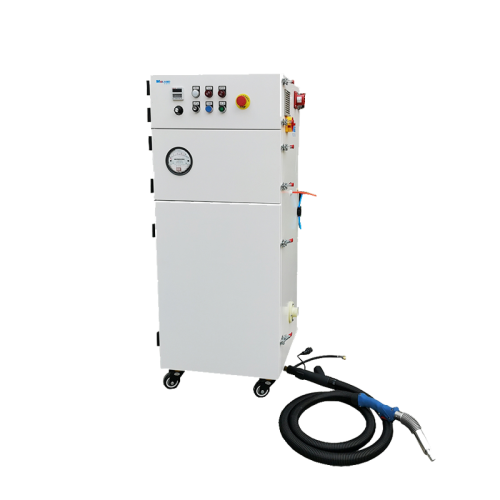
Work area 4 is an intelligent training zone equipped with two welding robot systems.
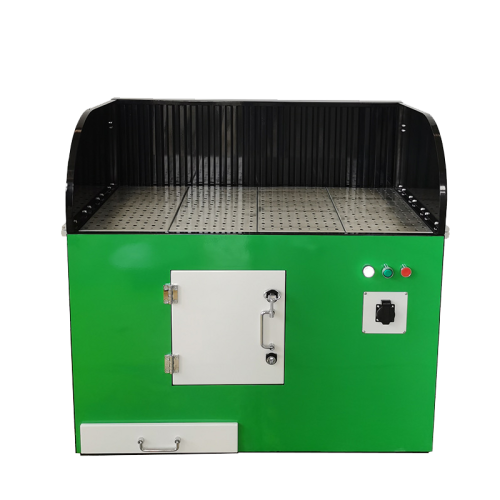
Considering the mobility and space requirements of robotic operations, we applied one 1.0kW high-negative-pressure dust collector with adjustable air volume from 250 to 700 m³/h, supported by a DC brushless variable-frequency fan for accurate air volume control.
The system uses flexible suction hoses that are easy to install. It couldn't obstruct robot movement paths. Meanwhile, it efficiently captures fumes generated during robotic welding.
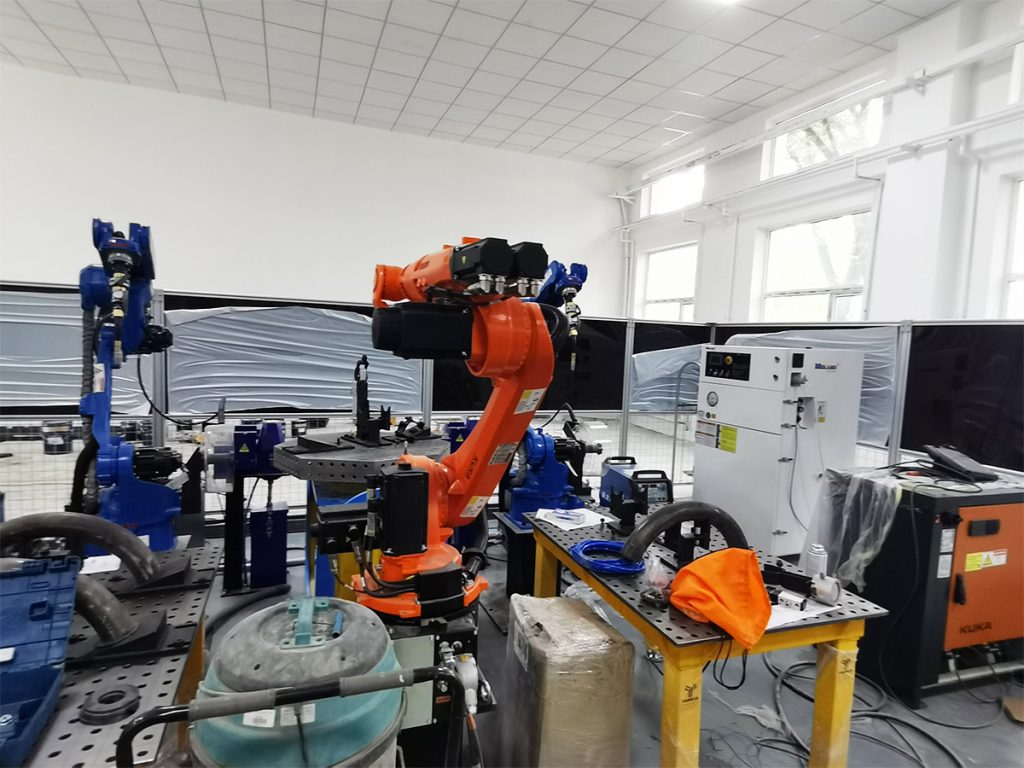
This project tailored a dust control solution for each of the different work areas to meet their training needs. The solution achieved the dual goals of efficient smoke and dust control and energy conservation: it met occupational health protection requirements while providing a safe and clean environment for welding training. The solution received high praise from the school.