


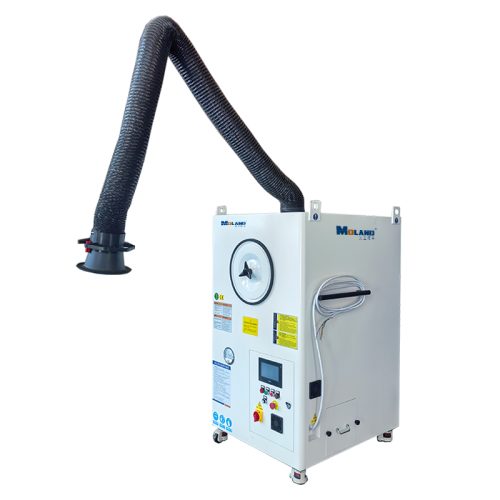
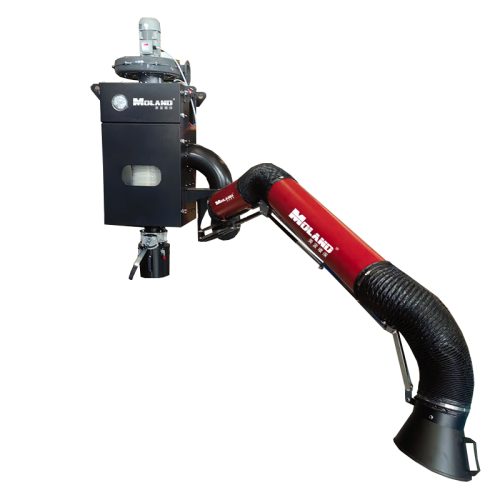
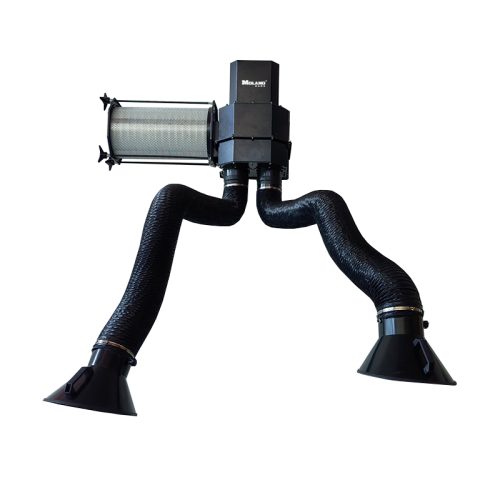
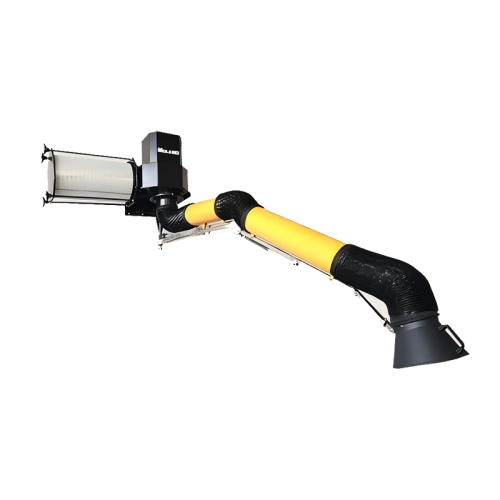



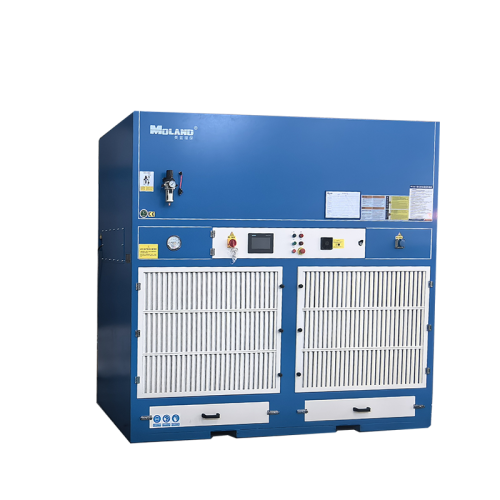
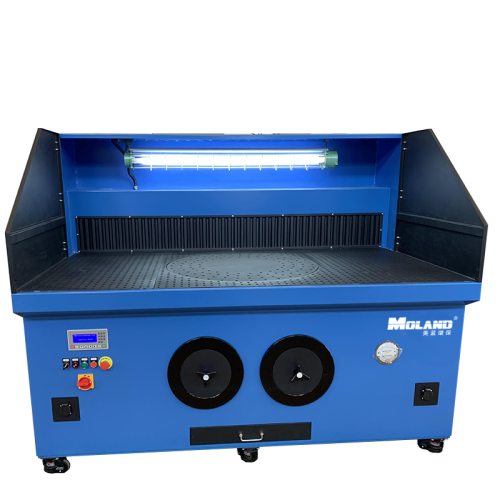

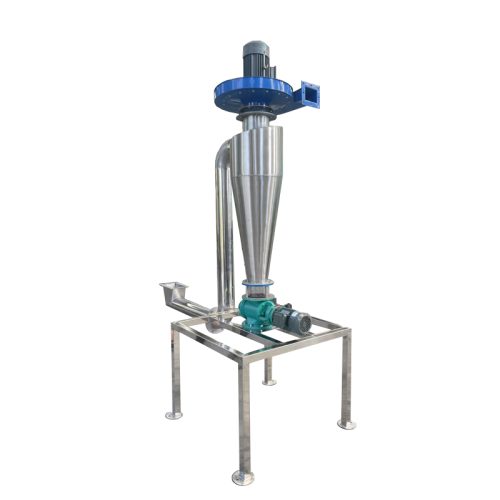
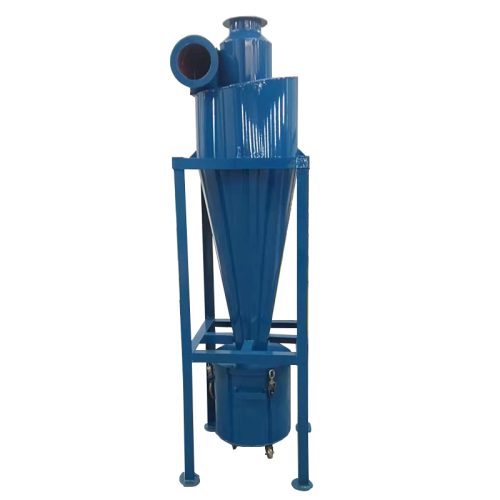

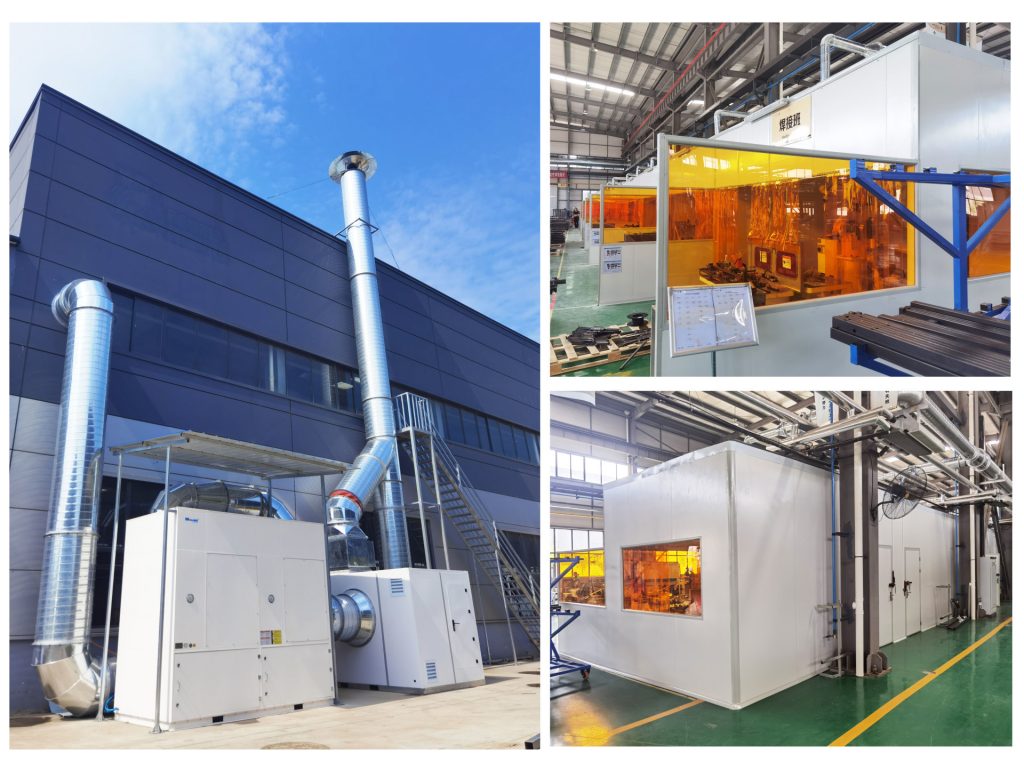
Robotic Welding Dust Collection for,In June 2021, Moland Environmental Protection delivered a 30KW centralized dust collection system for KingSmith's robotic welding facility in Zibo, Shandong. Specifically, the project covered 8 robotic welding booths. Therefore, this case demonstrates how centralized welding fume filtration solves complex challenges in the fitness equipment industry.
Fitness equipment manufacturing involves extensive robotic welding. Consequently, fumes containing manganese and chromium compounds spread rapidly. Moreover, without proper dust collection, these fumes threaten worker health. However, an effective welding booth ventilation system requires precise airflow calculation and intelligent control.
Keywords: robotic welding dust collection, fitness equipment factory dust extraction, centralized dust collection system, welding fume filtration, welding booth ventilation
Robotic welding cells in fitness equipment plants operate continuously. Furthermore, multiple booths often run simultaneously. Therefore, portable units cannot handle the cumulative airflow demand.
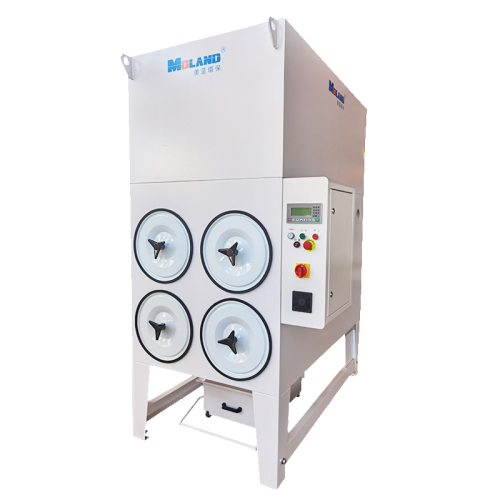
A centralized dust collection system offers clear advantages. First, it consolidates filtration into one unit, therefore reducing footprint and maintenance points. Second, variable frequency drives adjust motor speed based on active booth count. As a result, energy consumption drops significantly versus multiple standalone units. In addition, centralized systems enable organized high-altitude emission through a single chimney.
However, centralized systems demand careful design. Specifically, duct routing must minimize bends to reduce air resistance. Meanwhile, each booth needs individual dampers for flexible operation. Indeed, the KingSmith project addresses all these requirements systematically.
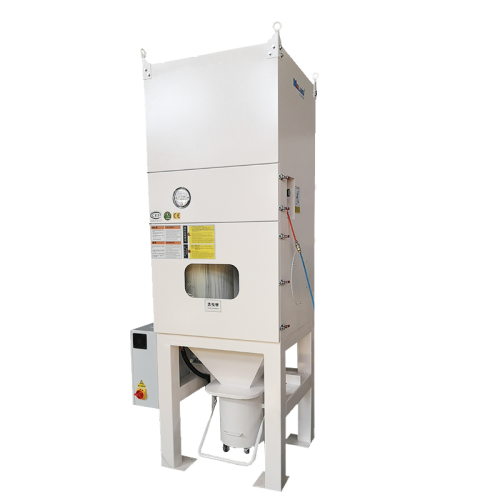
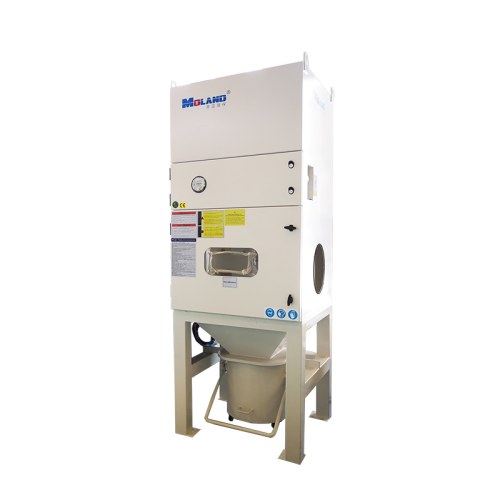
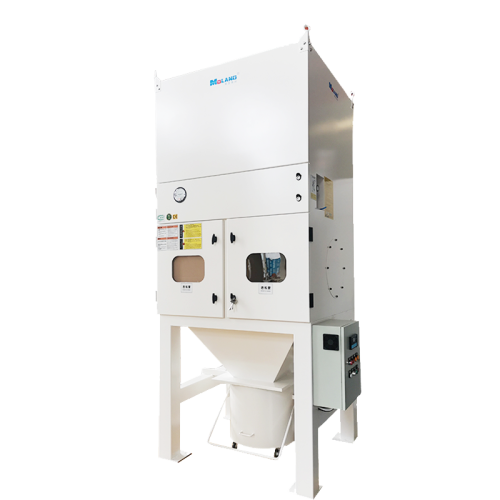
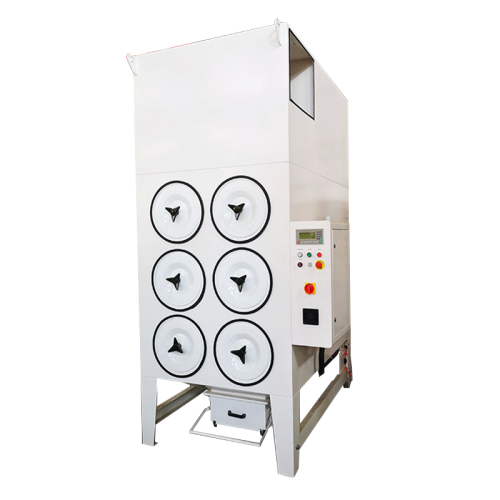
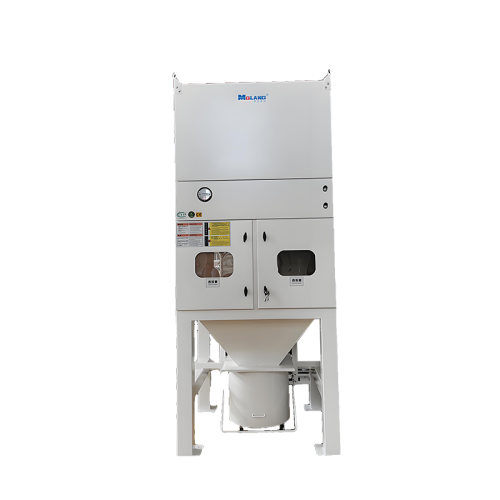
The system centers on a 30KW dust collector with an integrated fan box. Moreover, the outdoor unit features a purpose-built rain shelter. Specifically, rainwater flows along channel grooves to the ground. This prevents water accumulation and internal leakage.
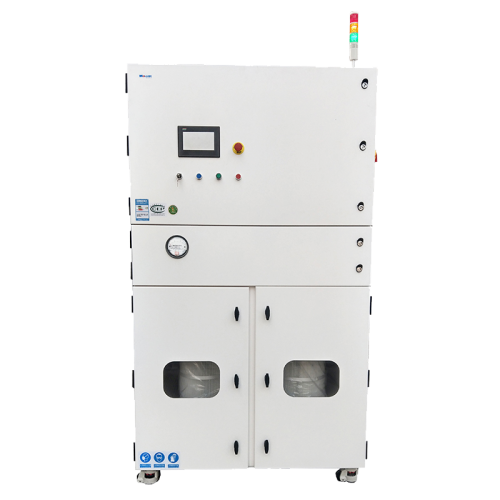
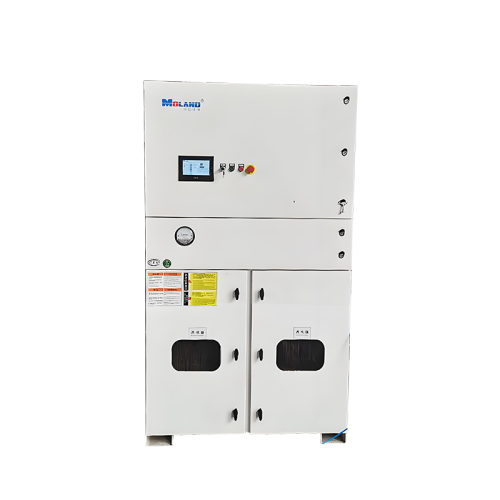
Furthermore, the electrical control cabinet is installed indoors. Operators can monitor system status easily. Consequently, daily operation becomes significantly more manageable.
Filtered air discharges through a 15-meter chimney for organized emission. Specifically, a detection port is reserved 1 meter above the T-junction. Meanwhile, an inspection platform with access ladder stands alongside the chimney. Therefore, real-time monitoring meets regulatory inspection requirements.
The project encompasses 8 welding booths. Specifically, the layout includes:
Each booth functions as a relatively sealed enclosure. Therefore, fumes concentrate toward the ceiling extraction point rather than spreading.
Booth walls use white cleanroom panels for durability. Moreover, observation windows sit above 1 meter height on both sides. These windows feature metal frames with semi-transparent light-blocking material. Consequently, visitors can see robots operating inside. Meanwhile, the material shields welding arc light effectively.
The ceiling hood uses a conical dome design. Specifically, this shape creates focused airflow that draws fumes upward. Therefore, welding smoke concentrates at the extraction point efficiently. Furthermore, LED lights with dust-proof covers illuminate the interior. The covers allow easy wiping when dust accumulates.
Flexible rubber curtains hang from 2 meters above the floor. Specifically, curtain edges are custom-cut to match fixture shapes. Gaps from the work surface stay no larger than 10mm. Moreover, curtains overlap with a minimum 30mm interlayer zone. As a result, the booth stays sealed and fumes cannot escape.
Not all welding booths operate simultaneously. Therefore, manual dampers at each point allow operators to open or close booths as needed. Furthermore, the VFD adjusts motor speed based on active damper count. Consequently, the system consumes only the energy required, achieving significant savings.
The PLC control system integrates multiple safety functions:
Additionally, the system supports scheduled and offline cleaning modes. Specifically, operators can set replacement reminders based on actual usage.
Each booth includes a rear safety door (H2m × W1m). Moreover, Omron safety locks interlock directly with the welding robots. Consequently, the robot stops immediately when a door opens. Therefore, worker safety is guaranteed at all times.
In addition, partition walls between loading areas rise to 1-meter height. Below, cleanroom panels provide structural integrity. Above, semi-transparent materials match the observation windows. Thus, each booth stays independent yet visually consistent.
The project proceeded from bid award on May 31 to acceptance in late June 2021. Specifically, Meilan coordinated across departments to meet the schedule. Every production stage underwent dedicated quality inspection. Furthermore, strict review and rejection protocols were enforced.
As a result, the system was delivered on time with full compliance. KingSmith's leadership expressed unanimous satisfaction. Indeed, professional design and rigorous quality control deliver reliable results even under tight deadlines.
表格
| Design Element | Solution | Benefit |
|---|---|---|
| Host unit | 30KW centralized collector with fan box | Powerful, consolidated filtration |
| Rain protection | Corrugated steel shelter with drainage | Weatherproof outdoor installation |
| Booth sealing | Cone hood + rubber curtains with 30mm overlap | Fume containment without escape |
| Energy saving | VFD + manual dampers per booth | Automatic power adjustment |
| Keamanan | Omron door interlocks with robot | Zero risk of human-robot collision |
| Emission compliance | 15m chimney with detection platform | Organized discharge, easy monitoring |
| Maintenance | PLC filter reminders + auto-cleaning | Proactive upkeep, stable performance |
Ready to solve welding fume challenges in your fitness equipment factory? Contact Meilan for a customized centralized dust collection system — why settle for generic solutions when your facility deserves precision engineering?