


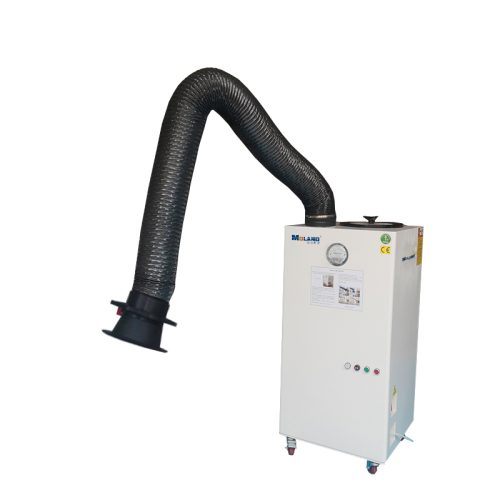
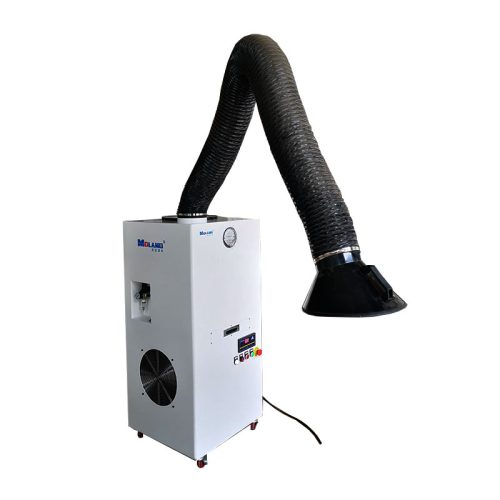
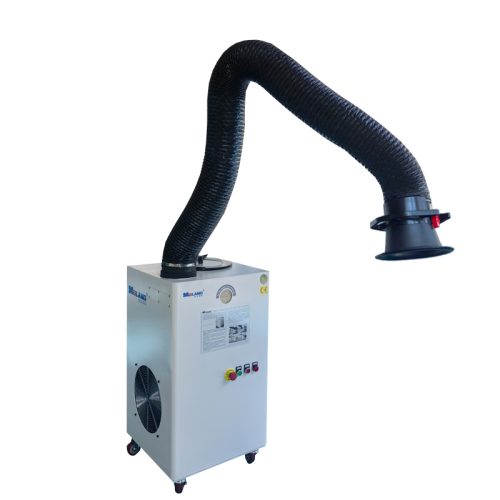
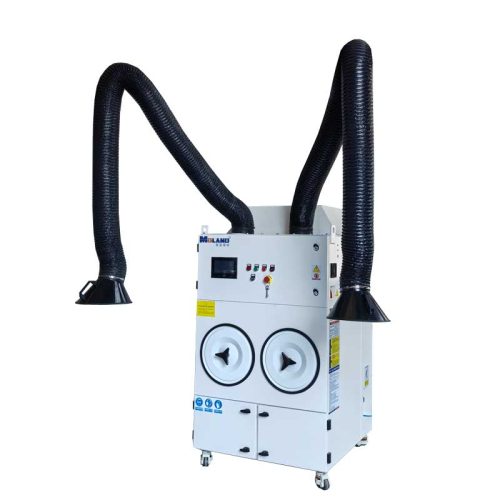
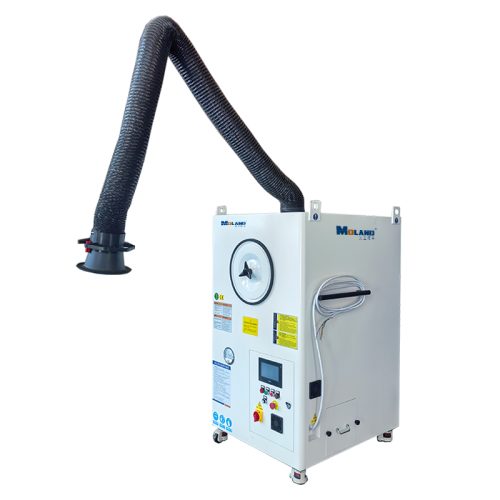
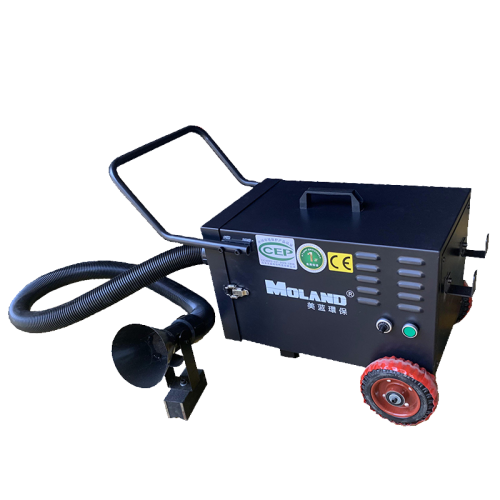
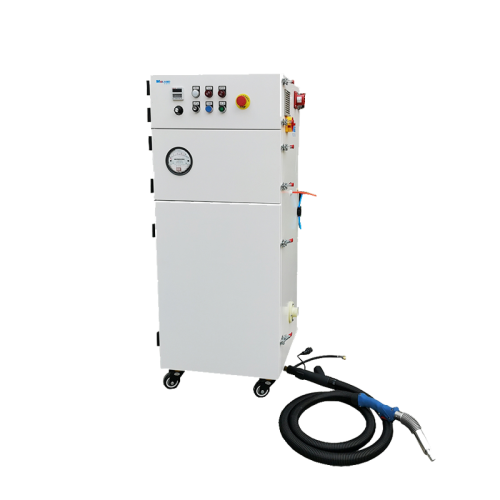
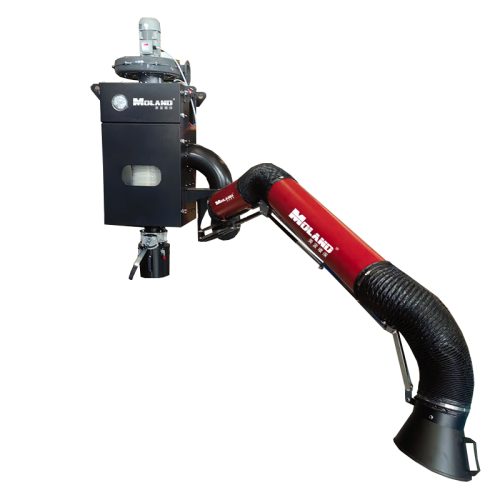
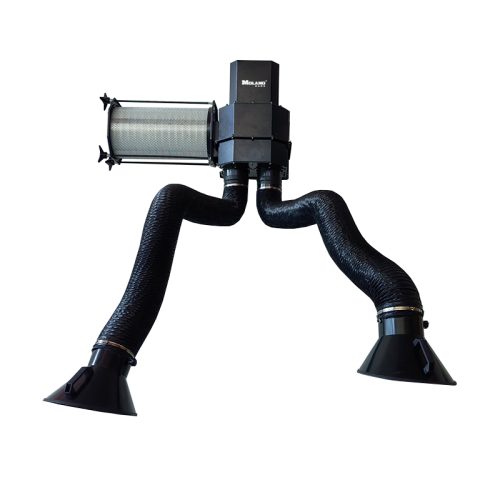
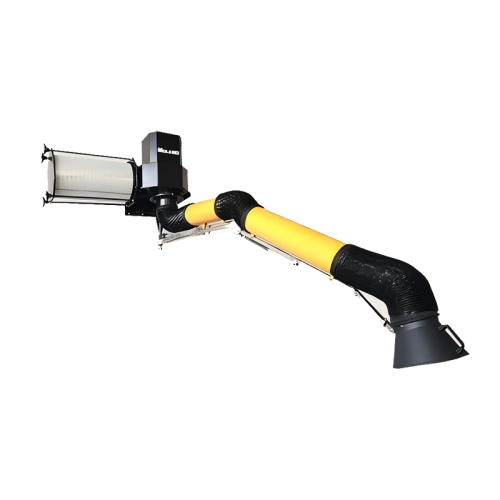


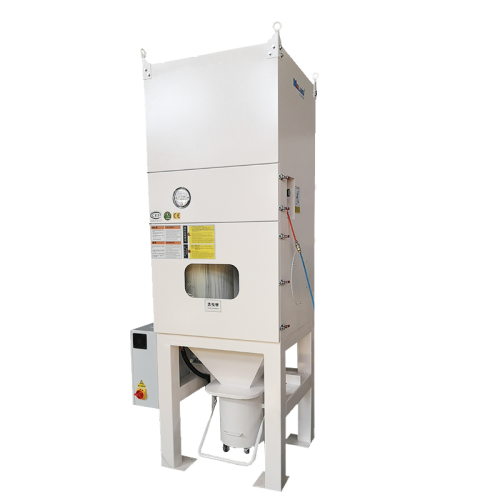
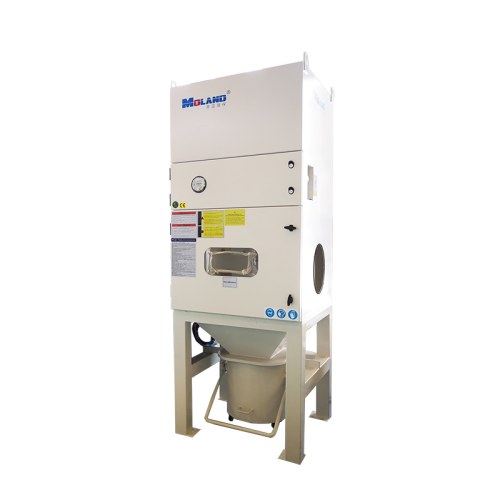
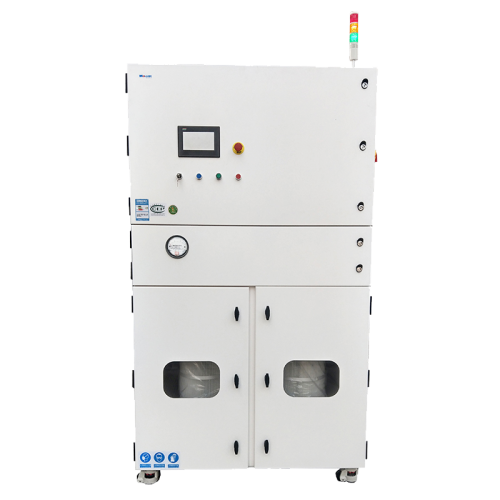
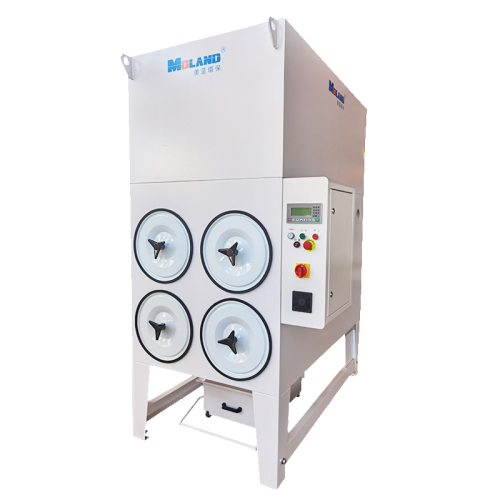
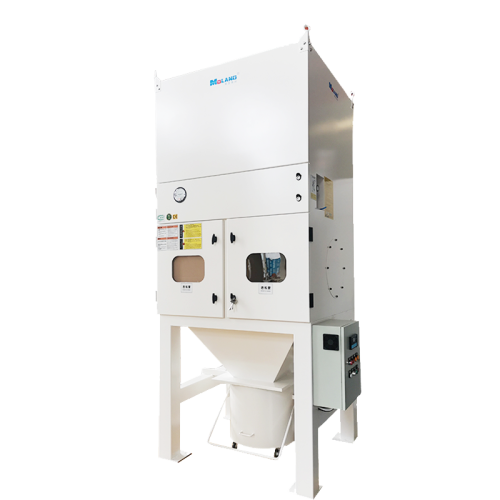
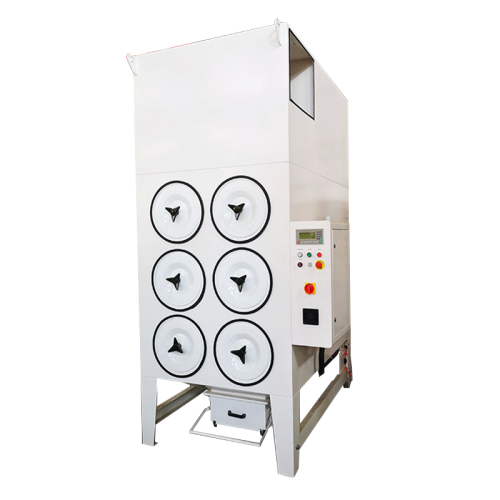
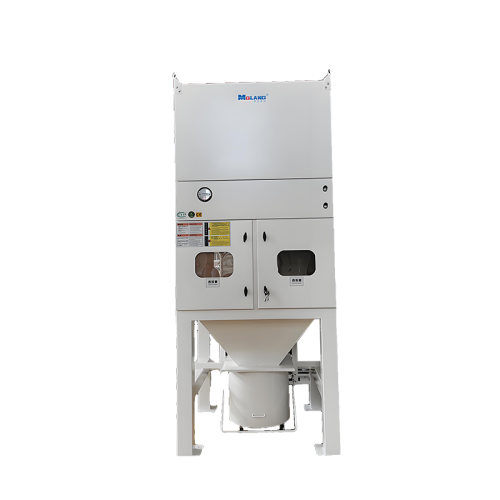
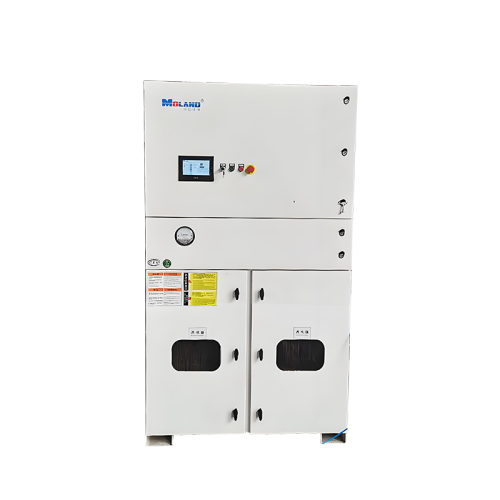

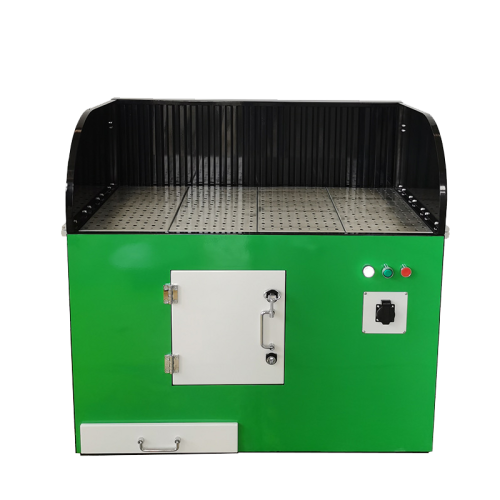
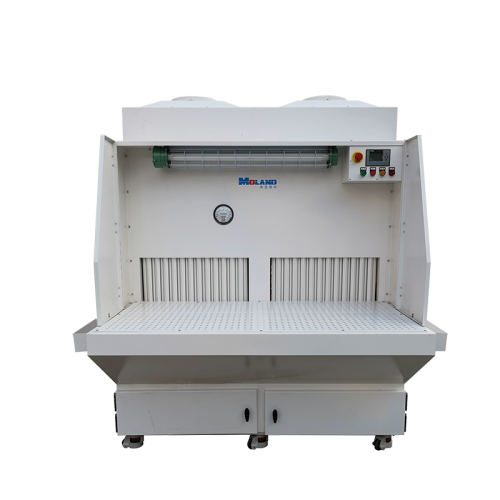
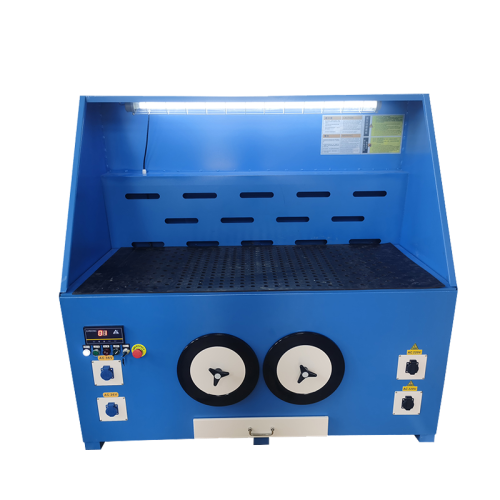
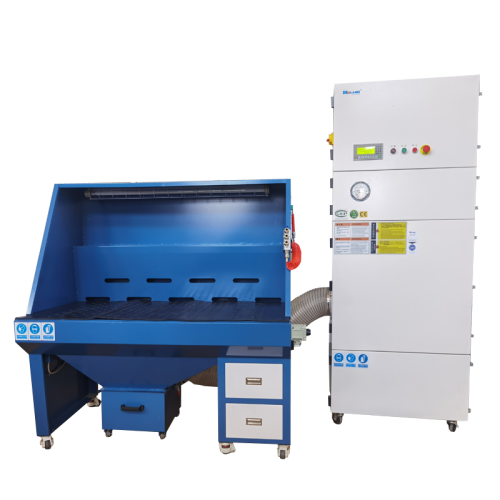
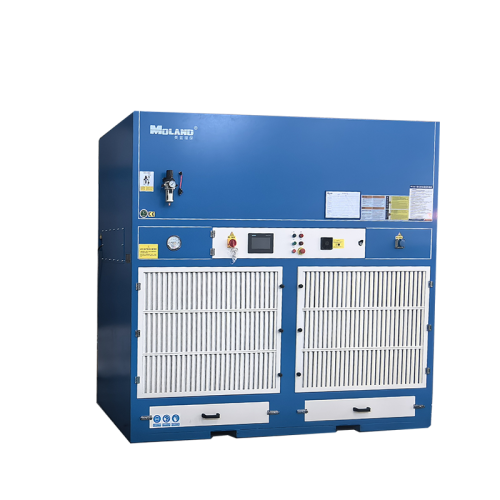
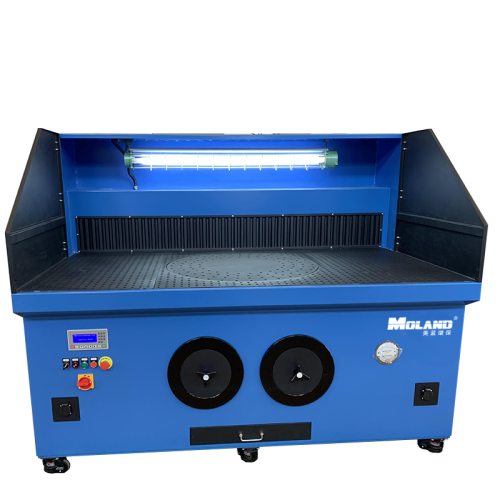

Choosing Dust collectors starts with understanding industry characteristics. Key factors include dust type, concentration, and emission standards. For example, wood dust differs from metal dust, so matching the Dust collectors to the scenario ensures efficiency.
(1) Woodworking Industry
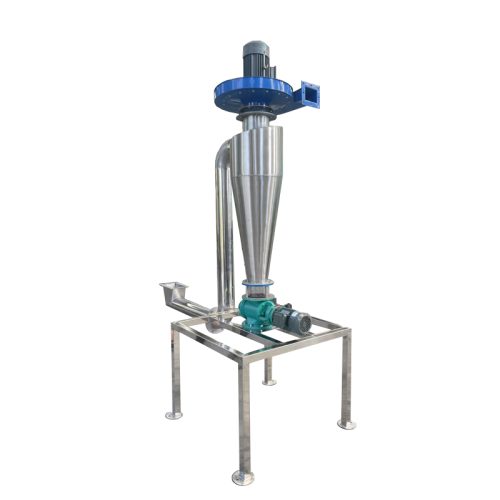
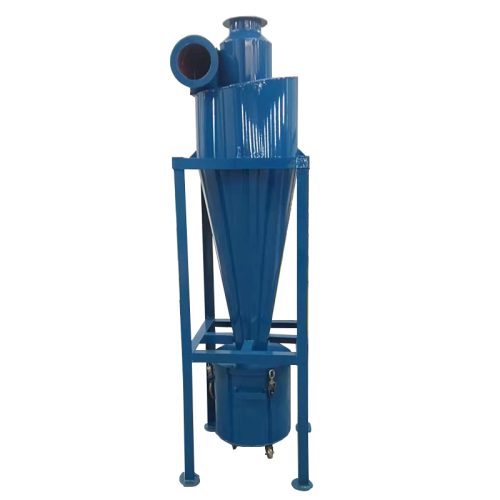
Wood dust is light and flammable. cyclone dust collectors works well here—it uses centrifugal force to separate large wood chips. Pair it with a dust collector filter to trap fine particles. This prevents dust accumulation and fire risks.
(2) Metallverarbeitende Industrie
Beim Metallschleifen entsteht scharfer, schwerer Staub. Industrielle Staubabscheider mit hohem Luftvolumen sind ideal. Die robuste Struktur ist verschleißfest, und 0,3μm-Filter halten winzige Metallpartikel zurück und schützen so Geräte und Arbeiter.
(3) Chemical Industry
Chemical dust may be corrosive. Dust collectors system with anti-corrosion materials (like stainless steel) is necessary. Closed pipelines prevent dust leakage, meeting strict environmental requirements.
(4) Lebensmittelverarbeitende Industrie
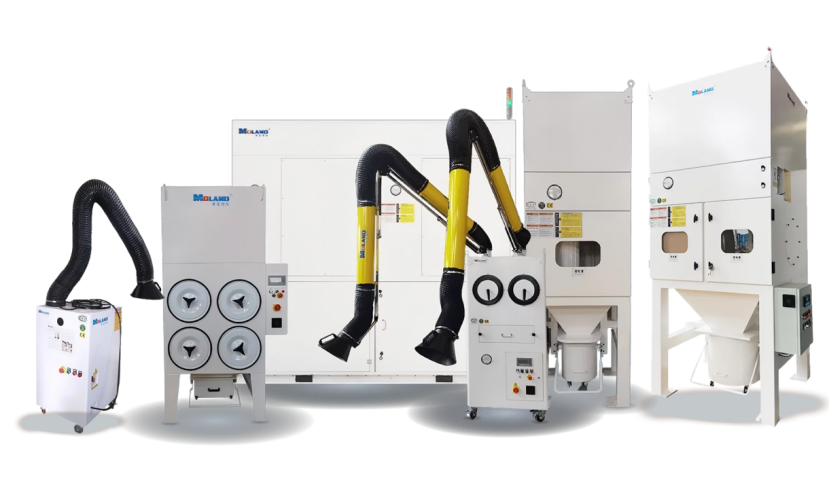
Hygiene is critical here. A portable dust collector with easy-to-clean filters fits small workstations. It avoids cross-contamination and keeps production areas sterile.
Don’t ignore mobility: For flexible workstations, choose a portable dust collector over fixed models.
Priorisieren Sie die Wartung: Entscheiden Sie sich für Staubabscheider mit leicht austauschbaren Filtern, um Ausfallzeiten zu reduzieren.
Check compliance: Ensure the Dust collectors meets local emission standards to avoid regulatory issues.
A Dust collector’s effectiveness depends on proper selection. It should closely align with dust characteristics, workspace size, and strict industry standards. First, confirm key dust properties like particle size, weight, corrosiveness, and whether it is flammable. Then, consider whether the workspace needs a fixed installation or a mobile model based on production flexibility. Finally, ensure it fully meets local environmental emission limits and safety operation specifications. By following this logic, the Dust collectors can not only achieve efficient and stable dust removal but also reduce equipment wear caused by improper use, lower potential operational risks, and ultimately support long-term stable production for enterprises.